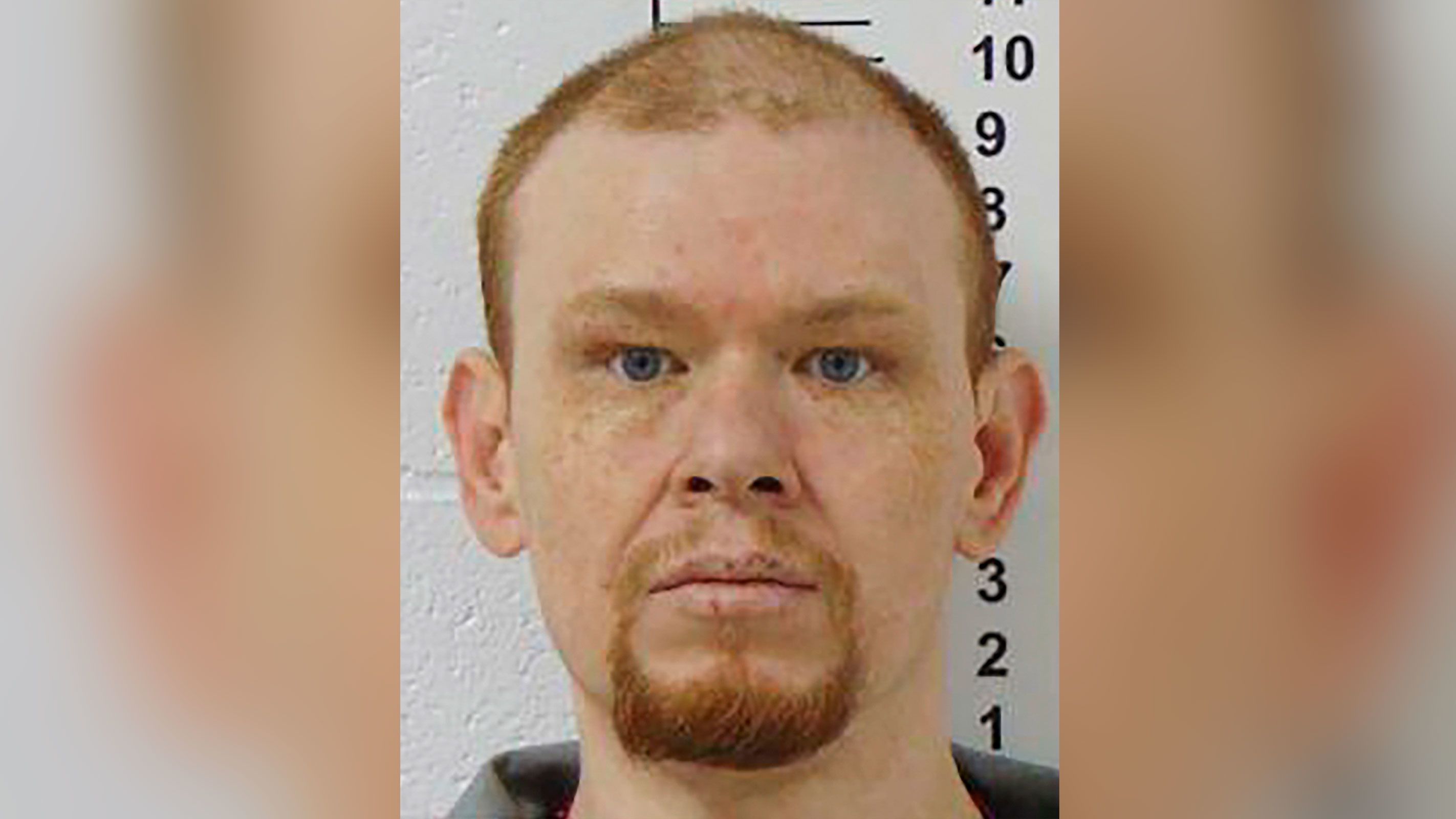
 On August 1, 2023, the State of Missouri executed Johnny Allen Johnson by lethal injection at the Eastern Reception, Diagnostic and Correctional Center in Bonne Terre. Johnson, 45, had spent more than twenty years on death row after being convicted of the 2002 murder of six-year-old Casey Williamson, a case that generated widespread public attention and later sparked debate about mental illness, criminal responsibility, and the death penalty.
The case began in Johnson’s hometown of Valley Park, Missouri, in 2002. According to prosecutors, Casey Williamson disappeared after encountering Johnson, a family acquaintance who lived in the area. Investigators quickly launched a search effort involving local law enforcement, volunteers, and members of the community.
Authorities later determined that Johnson had abducted the child and murdered him. During the investigation, Johnson confessed to the crime and provided information that assisted investigators. Prosecutors subsequently charged him with first-degree murder and related offenses. The case shocked residents throughout Missouri because of the victim’s age and the circumstances surrounding the crime.
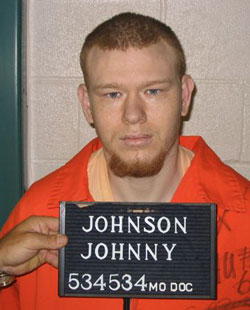
At trial, prosecutors argued that the evidence overwhelmingly established Johnson’s guilt. The defense did not dispute that Johnson was responsible for Casey’s death but focused heavily on Johnson’s long history of severe mental illness. Court records documented years of psychiatric treatment, hospitalizations, and diagnoses involving serious mental health disorders.
Mental illness became one of the central issues throughout the case. Defense attorneys argued that Johnson suffered from significant psychiatric impairments that should have prevented the imposition of a death sentence. Prosecutors acknowledged Johnson’s mental health history but maintained that he understood the nature of his actions and remained legally responsible under Missouri law.
A jury ultimately convicted Johnson and sentenced him to death. Over the following two decades, his attorneys pursued numerous appeals through state and federal courts. Many of those challenges focused on questions involving mental illness, competency, constitutional protections, and whether the execution of a prisoner with severe psychiatric disorders would violate legal standards established by the courts.
 As the execution date approached in 2023, Johnson’s legal team continued filing motions seeking additional review. Defense attorneys argued that his mental condition warranted further consideration. Courts reviewed those claims but ultimately declined to stop the execution. Missouri Governor Mike Parson also declined requests for clemency.
On August 1, 2023, Missouri carried out the execution after all remaining appeals were exhausted. Witnesses reported that Johnson made a final statement before the lethal injection was administered. The execution marked the end of more than twenty years of litigation surrounding one of Missouri’s most widely discussed death penalty cases.
The case continues to be cited in debates involving mental illness and capital punishment. Supporters of the sentence argued that the severity of the crime justified the punishment imposed by the courts and emphasized the devastating loss suffered by Casey Williamson’s family. Critics argued that Johnson’s documented psychiatric history raised difficult ethical and legal questions about executing prisoners with severe mental illnesses.
Today, the Johnny Allen Johnson case remains a significant part of Missouri’s modern death penalty history. More than twenty years separated the crime from the execution, reflecting both the extensive review process that accompanies capital punishment cases and the continuing national debate over how mental illness should be considered within the criminal justice system.


