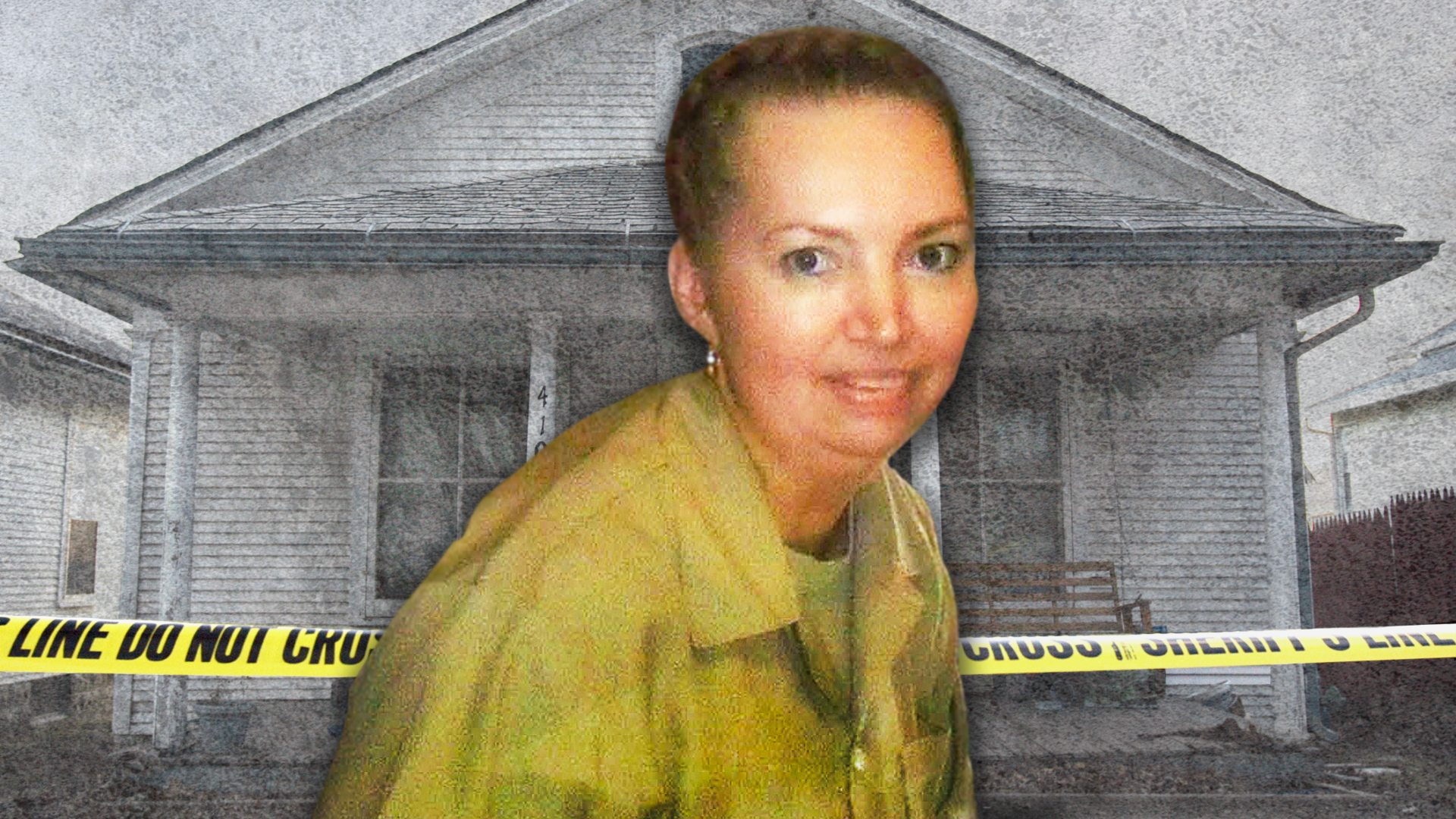
The Pardon Board has denied a new clemency hearing for Antoinette Frank, a former New Orleans police officer currently on death row.
Frank remains the only woman facing the death penalty in the state’s correctional system.

Frank, alongside Rogers LaCaze, was convicted in the 1995 triple homicide of a fellow officer and two restaurant employees in New Orleans East, a case that left an indelible mark on the community.
The refusal to grant another hearing keeps Frank in a precarious position as she was among the 56 inmates on death row petitioning for clemency ahead of Governor John Bel Edwards’ departure from office on January 8.
One of the most controversial and notorious death row cases in modern American history has once again drawn national attention after Antoinette Frank’s latest bid for clemency was rejected, leaving her with even fewer options to avoid a death sentence that has hung over her for nearly three decades.
Frank’s case remains unique for a reason that continues to shock many people even today: she was not a career criminal or an outsider to the justice system. She was a New Orleans police officer, sworn to protect the public and uphold the law.
Instead, prosecutors said she became responsible for one of the most devastating betrayals of public trust Louisiana had ever witnessed.
The case dates back to 1995, when authorities alleged that Frank participated in a robbery at a Vietnamese restaurant in eastern New Orleans. What began as a planned theft quickly escalated into a deadly attack. By the end of the night, three people had been killed, including fellow New Orleans police officer Ronald Williams, who had been working security at the restaurant.
The murder of a fellow officer sent shockwaves throughout law enforcement agencies across the country. Investigators described the crime as particularly disturbing because it involved someone who had taken an oath to serve and protect, yet was accused of using her position to help carry out a violent robbery.

The trial that followed attracted intense public attention. Prosecutors argued that the evidence demonstrated careful planning and deliberate actions leading up to the murders. Jurors ultimately agreed, convicting Frank and sentencing her to death.
Over the years, the case has remained the subject of countless appeals, legal motions, and public debate. Defense attorneys have argued that various mitigating factors should be considered, including Frank’s background, mental health concerns raised during portions of the legal process, and the decades she has already spent incarcerated.
Supporters of clemency urged officials to commute her sentence to life imprisonment, arguing that society gains little from carrying out an execution so many years after the crime occurred. They pointed to the evolving national conversation surrounding capital punishment and questioned whether execution remains an appropriate response after decades of confinement.
Opponents strongly disagreed.
For many relatives of the victims, former law enforcement officers, and supporters of the original verdict, the severity of the crime—and the fact that a police officer participated in the murders of innocent people and a fellow officer—remains impossible to overlook. They argue that the sentence imposed by the courts should be carried out exactly as ordered.
With clemency now denied, the spotlight once again falls on a case that continues to provoke powerful emotions nearly thirty years later. What began as a robbery ended with three lives lost, a community forever changed, and a former police officer becoming one of the most infamous women ever sentenced to death in the United States.
A trusted officer. Three murders. Decades of appeals. And now, another major legal setback in a case that continues to divide public opinion.
Should decades spent behind bars be enough to justify mercy, or do some crimes demand that the original sentence remain unchanged no matter how much time has passed?