While there are videos circulating online claiming that Gibson “silenced skeptics live” with dramatic proof, the verifiable part of his remarks comes from more formal interviews like his appearance on The Joe Rogan Experience, where he explained why he personally regards the Gospel accounts as grounded in history. In that conversation, Gibson emphasized that he believes the resurrection and other key events in Jesus’ life are rooted in sources that go beyond mythology, and he referred to the fact that many early followers were willing to suffer and die rather than deny their belief as part of why he sees the narratives as historically significant.
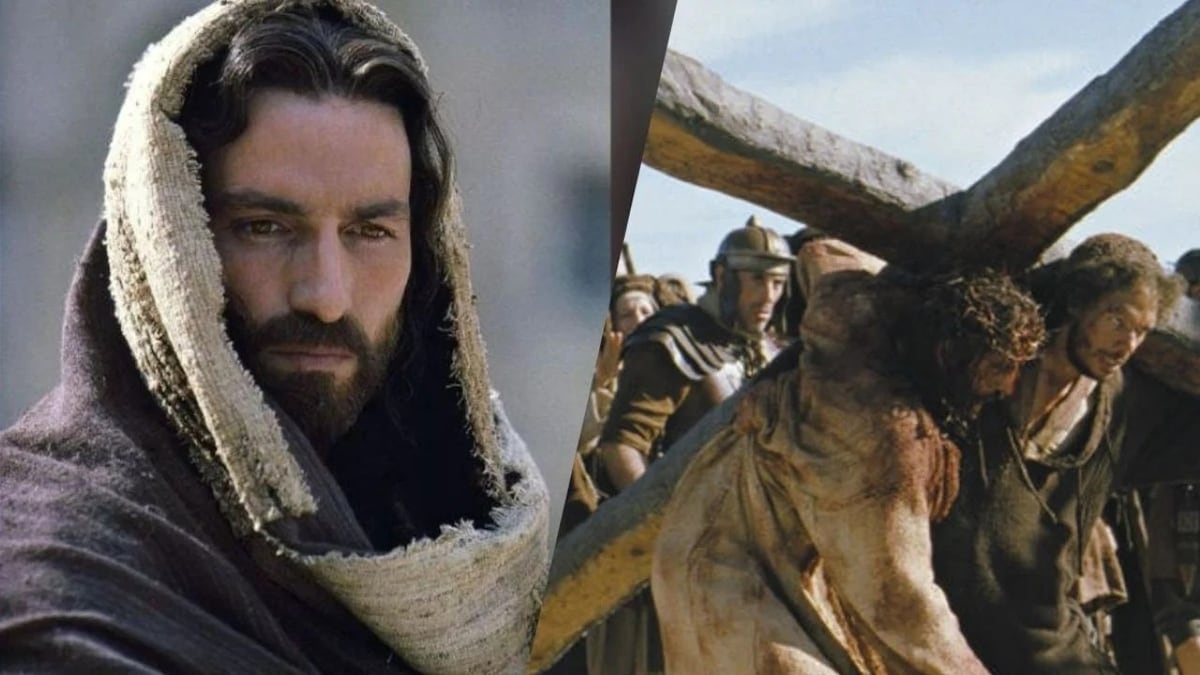
Gibson has described the Gospels as “verifiable history,” a phrase he used to express his conviction that the New Testament accounts reflect real historical traditions that have shaped belief for centuries.
He also spoke about opposition he faced in Hollywood over The Passion of the Christ and how his faith informed both that film and his views on the resurrection, noting that critics often focus on Christianity in ways they do not with other religions.
It’s important to distinguish that Gibson’s comments represent his personal faith interpretation rather than an academic or archaeological “proof” endorsed by the broader scholarly community. Historians typically rely on multiple independent sources — such as non‑Christian references to Jesus in early Roman and Jewish writings — when assessing the historicity of Jesus, rather than statements from modern individuals.

Gibson’s perspective provides insight into how one well‑known filmmaker views the relationship between faith, scripture, and history, but it should be understood in context: personal conviction expressed in public dialogue, not a new historical discovery accepted by experts across disciplines.
His remarks have sparked conversation among audiences about the historical foundations of Christian belief and how ancient narratives are interpreted today, highlighting ongoing dialogue between faith communities and broader cultural criticism.
Overall, while Gibson passionately defends the historical reliability of the Gospel accounts based on his reading of scripture and early witness tradition, there is no new archaeological or textual evidence attributed to him that universally settles academic debates about Jesus’ existence — rather, his comments echo long‑standing discussions about history and faith.