Alan Eugene Miller was executed by the State of Alabama on September 26, 2024, becoming one of the first inmates in American history to be executed using nitrogen hypoxia. His death brought renewed national attention not only because of the crimes that led to his conviction, but also because of years of litigation involving execution methods, mental health claims, and a previously unsuccessful attempt to carry out his death sentence.
The case began on August 5, 1999, when prosecutors said Miller carried out workplace shootings at two separate business locations in the Birmingham area. Three men—Lee Holdbrooks, Christopher Scott Yancy, and Terry Jarvis—were killed. Authorities arrested Miller shortly afterward, and prosecutors alleged that he believed coworkers were spreading rumors about him.
During court proceedings, Miller’s attorneys argued that he suffered from serious mental health problems. Prosecutors acknowledged evidence regarding mental illness but maintained that Miller understood the nature of his actions and remained legally responsible for the murders. A jury ultimately convicted him of capital murder, and he was sentenced to death.
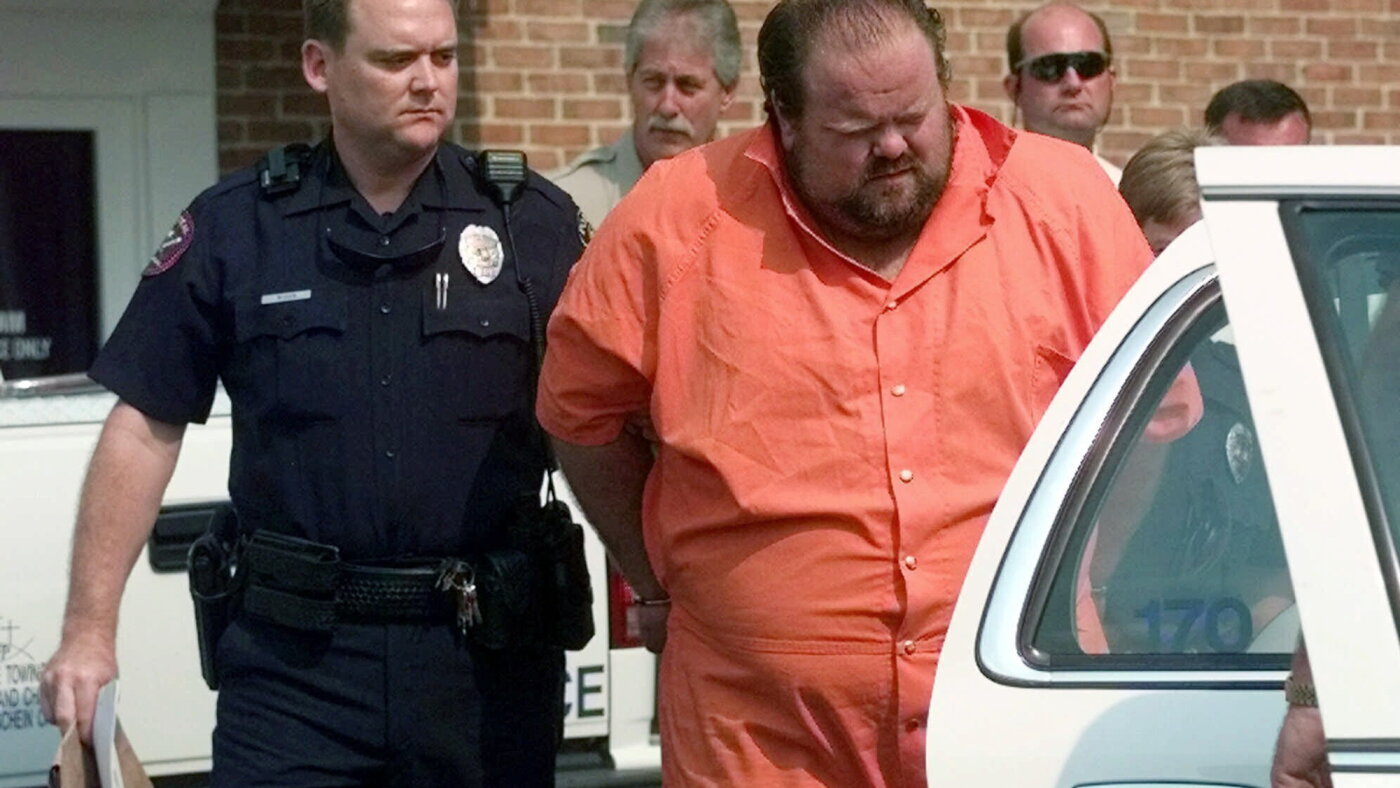 Over the following decades, Miller pursued appeals through state and federal courts. Much of the later litigation focused on execution procedures rather than the conviction itself. In September 2022, Alabama attempted to carry out Miller’s execution by lethal injection. However, officials halted the procedure before the execution occurred after difficulties establishing intravenous access. The failed attempt generated national attention and prompted additional legal challenges.
Following the 2022 incident, Miller sought execution by nitrogen hypoxia, a method authorized under Alabama law. Courts reviewed multiple filings concerning the state’s procedures and the constitutional questions surrounding the method. After years of litigation, judges ultimately allowed the execution to proceed.
On September 26, 2024, Alabama carried out the execution using nitrogen hypoxia at William C. Holman Correctional Facility. Witnesses observed the procedure as required by state law. Reports from those present described movements and physical reactions during the execution, leading to renewed public discussion about how nitrogen hypoxia functions and whether it should be considered a humane method of execution.

The execution generated significant debate among legal experts, medical professionals, death penalty supporters, and opponents of capital punishment. Supporters argued that the sentence followed decades of judicial review and represented justice for the victims and their families. Critics questioned both the execution method and broader issues surrounding capital punishment.
Today, the Alan Eugene Miller case remains one of the most widely discussed modern death penalty cases in the United States. Beyond the crimes themselves, the case has become part of a larger national conversation about execution methods, constitutional protections, mental illness, and the future of capital punishment in America.