 Tracy Lane Beatty was executed by the State of Texas on November 9, 2022, for the 2003 murder of his mother, Carolyn Click, in Whitehouse, Texas. The case attracted widespread attention because of the unusual circumstances surrounding the crime and the actions Beatty took afterward to conceal what had happened.
According to court records, the crime occurred in November 2003 following an argument between Beatty and his 62-year-old mother inside her mobile home. Prosecutors said Beatty strangled Carolyn Click during the confrontation. Rather than contacting authorities, investigators determined that Beatty buried her body in a backyard area near the residence and attempted to hide the crime.
The disappearance of Carolyn Click eventually led family members and investigators to begin searching for answers. As authorities examined the circumstances surrounding her disappearance, evidence increasingly pointed toward Beatty. Investigators ultimately discovered the burial site, leading to his arrest and prosecution.
 During the trial, prosecutors presented evidence showing that Beatty killed his mother and concealed her body to avoid detection. A jury convicted him of capital murder and sentenced him to death. The conviction began years of appeals through state and federal courts, a process common in Texas death penalty cases.
Throughout the appellate process, Beatty’s attorneys raised multiple legal challenges seeking to overturn the conviction or sentence. Courts repeatedly upheld the verdict and death sentence, concluding that the evidence supported the jury’s findings and that the conviction remained legally valid.
As the execution date approached in 2022, additional appeals were filed but ultimately failed to stop the sentence from being carried out. Texas officials proceeded with the execution after courts declined to intervene.
 On November 9, 2022, Beatty was executed by lethal injection at the Huntsville Unit. Witnesses reported that he delivered final remarks directed toward family members, friends, and fellow inmates before the execution began. Shortly afterward, he was pronounced dead.
The case remains notable because of the relationship between the victim and the offender, as well as the efforts made to conceal the crime after it occurred. Supporters of the sentence argued that justice had been served after nearly two decades of legal review. Others continued broader discussions about capital punishment and its role within the criminal justice system.
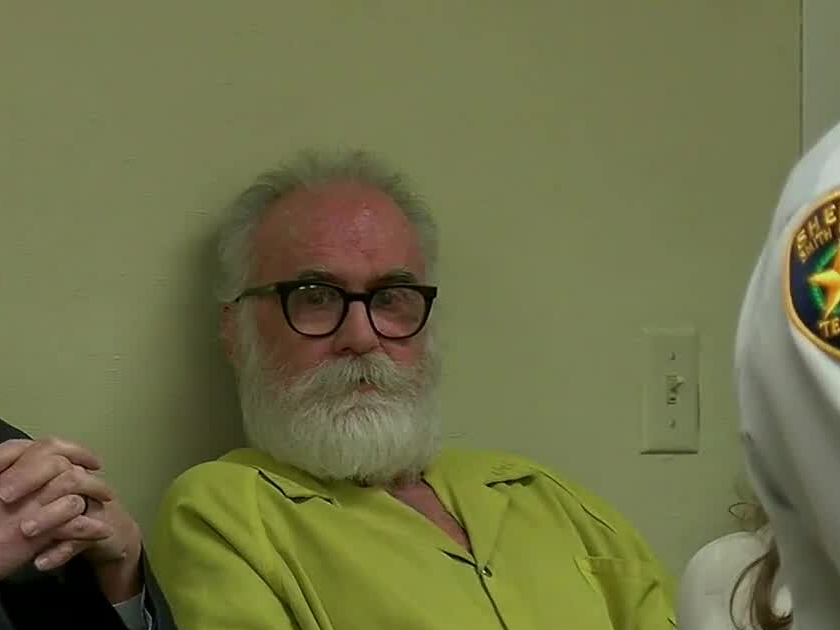 Today, the Tracy Lane Beatty case remains one of the more unusual murder cases to result in a Texas execution, remembered both for the killing itself and for the lengthy legal proceedings that followed before the sentence was ultimately carried out.


