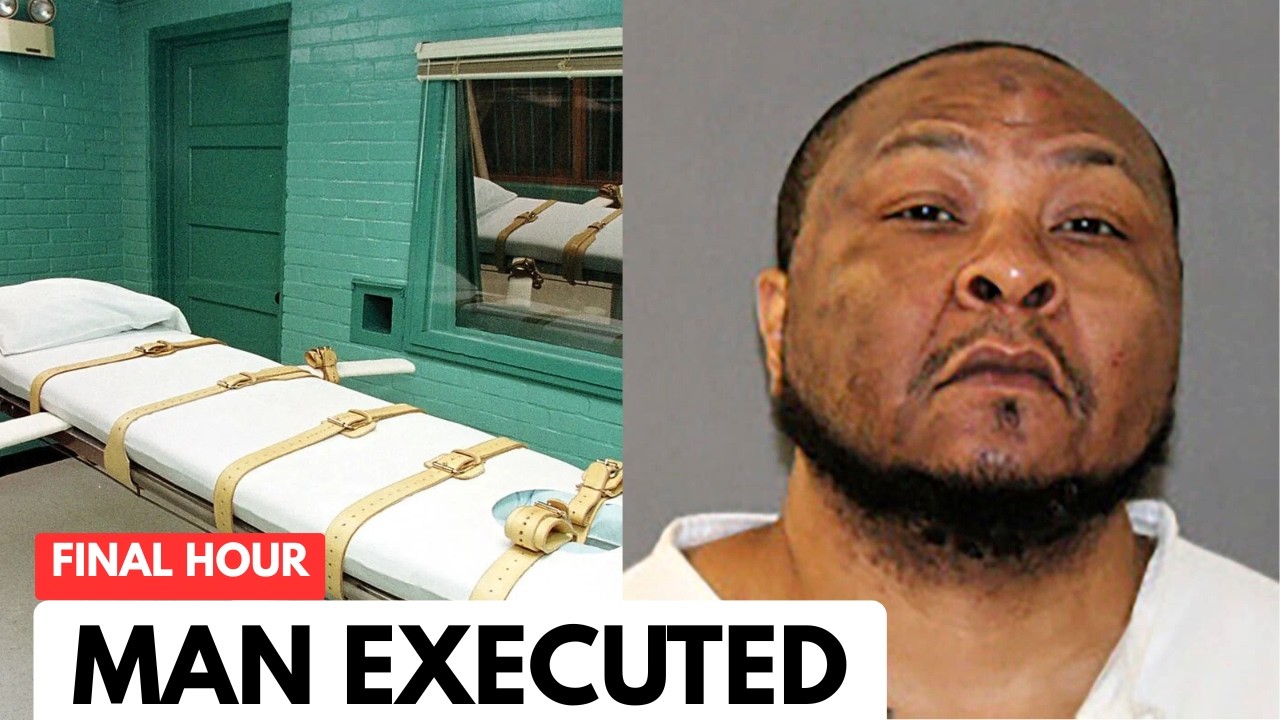
 On April 21, 2022, the State of Texas executed Carl Wayne Buntion at the age of 78, making him the oldest prisoner ever executed in Texas history. Buntion had spent more than thirty-two years on death row following his conviction for the 1990 murder of Houston Police Officer James Irby, a case that remained in the courts for decades before ultimately reaching its final conclusion.
The events began on June 27, 1990, when Officer James Irby conducted what appeared to be a routine traffic stop in Houston. During the encounter, prosecutors said Buntion shot Irby, killing the veteran police officer. The killing shocked the Houston community and quickly became one of the state’s most significant cases involving the murder of a law enforcement officer.
Authorities arrested Buntion and charged him with capital murder. During trial, prosecutors argued that the evidence clearly established his responsibility for the shooting. A jury ultimately convicted Buntion and sentenced him to death.
What followed was more than three decades of legal proceedings. Buntion pursued numerous appeals through state and federal courts, raising issues involving trial procedures, constitutional claims, and the length of time he had spent awaiting execution. The case eventually reached the United States Supreme Court through various legal challenges, reflecting the extensive review often associated with capital punishment cases.
As Buntion aged, his physical condition became a central issue in public discussion surrounding the case. By the time his execution date arrived, he was elderly and reportedly suffered from multiple health problems. His attorneys argued that executing a prisoner after more than thirty years on death row raised serious constitutional and humanitarian concerns. Prosecutors responded that the conviction had survived decades of judicial scrutiny and that the sentence remained lawful.
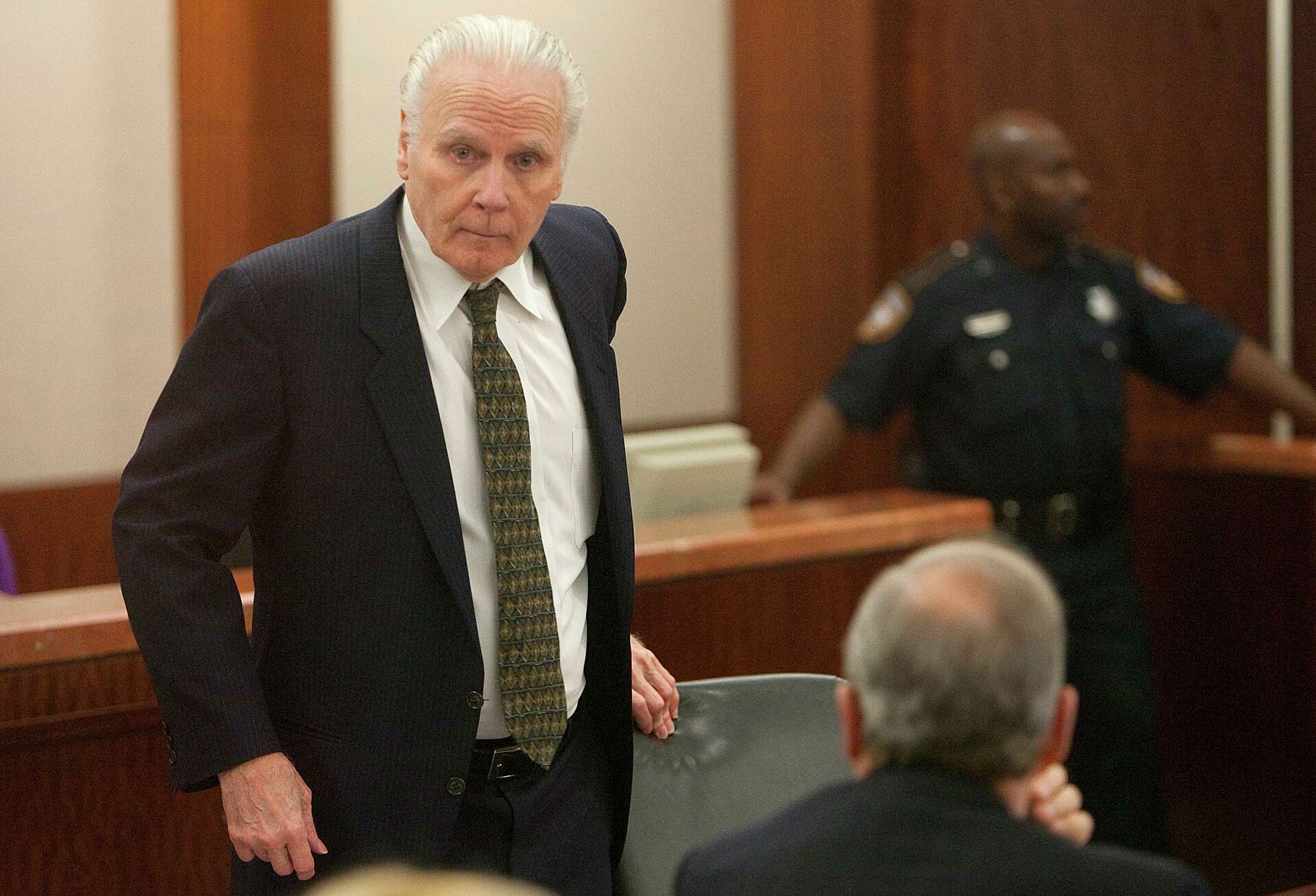 Courts ultimately rejected final attempts to halt the execution. Texas officials proceeded with the sentence on April 21, 2022, after concluding that all available legal remedies had been exhausted.
The execution generated national attention because of Buntion’s age and the extraordinary length of time that had passed since the original crime. Supporters of the sentence argued that justice for Officer Irby and his family required the lawful sentence to be carried out regardless of the passage of time. Critics questioned whether executing an elderly prisoner after decades of incarceration served the purposes traditionally associated with capital punishment.
Today, the Carl Wayne Buntion case remains one of the most discussed modern executions in Texas history. Beyond the crime itself, the case continues to be referenced in debates involving aging death row inmates, lengthy appellate processes, and the broader questions surrounding capital punishment in the United States. More than thirty years after Officer James Irby’s death, the case remains a powerful example of how death penalty litigation can extend across generations before reaching a final outcome.