In a heart-wrenching conclusion to a case that has haunted a community for over two decades, Johnny Johnson was executed on August 1, 2023, at the Eastern Reception, Diagnostic, and Correctional Center in Bonne Terre, Missouri. The 45-year-old’s final moments were marked by a simple last meal and a brief statement that echoed his remorse.
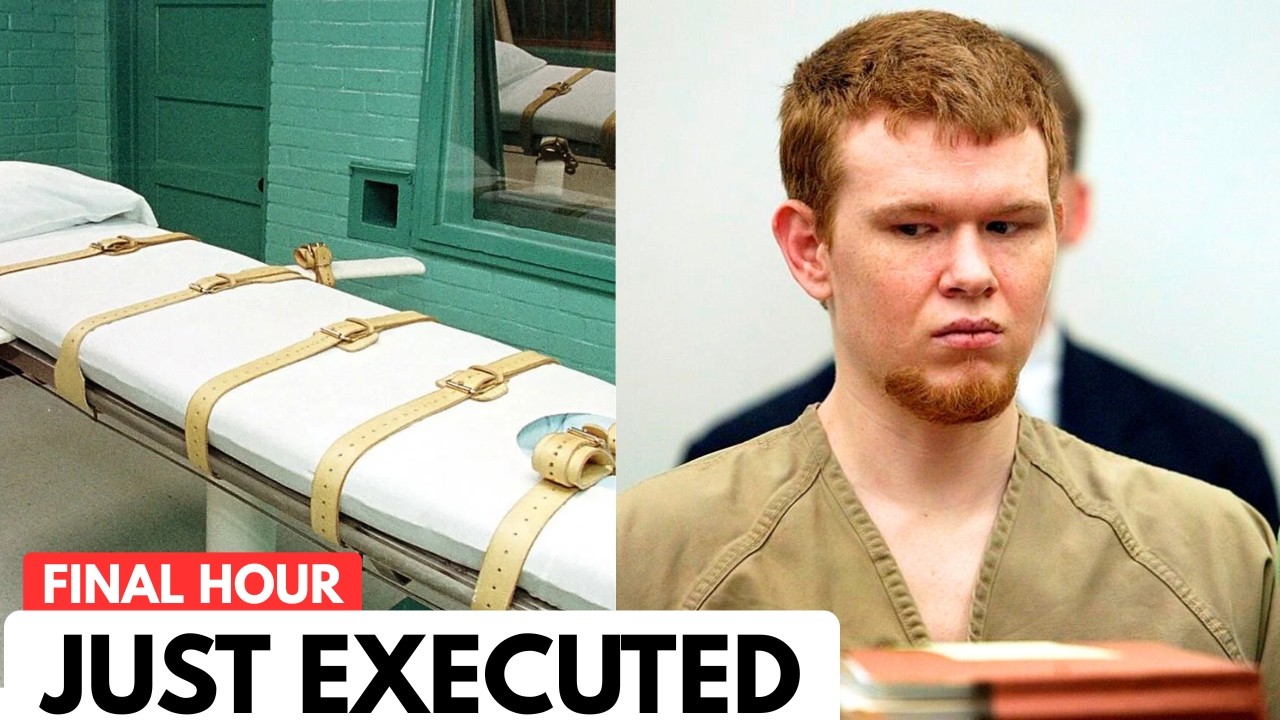 The tragic story dates back to the summer of 2002 in Valley Park, Missouri, a suburb that seemed like a safe haven. Six-year-old Casey Williamson, a bright child who loved life, was taken from her family in a horrifying act of violence. The perpetrator was not a stranger, but Johnny Johnson, a man trusted by Casey’s family. Just the night before, he had shared a meal with them.
Johnson, who had a history of severe mental illness, had been released from a psychiatric facility only six months prior to the crime. On July 25, 2002, he attended a barbecue at Casey’s home, where he was welcomed without hesitation. The following morning, he lured Casey away and took her to an abandoned factory, where he committed an unspeakable act. Afterward, he confessed to the crime, leading authorities to her body buried beneath debris.
 The investigation unfolded rapidly, with Johnson apprehended shortly after the crime. His trial began in January 2005, where he admitted to killing Casey but claimed his mental illness impaired his ability to understand his actions. The jury, however, found him guilty of first-degree murder, kidnapping, and attempted rape. He was sentenced to death and spent nearly two decades on death row, during which his mental health reportedly deteriorated.
Johnson’s legal team argued against his execution, stating he was too mentally ill to comprehend the punishment. They presented evidence of his worsening condition, including delusions and self-harm. However, the Missouri Supreme Court ruled against him, leading to a series of appeals that ultimately failed.

As the execution date approached, the family of Casey Williamson found themselves divided. Her mother expressed a sense of closure, while her father opposed the death penalty altogether. In contrast, Casey’s great aunt passionately supported the execution, emphasizing the need for accountability for such a horrific crime.
 On the day of his execution, Johnson requested a last meal of a bacon cheeseburger, curly fries, and a strawberry shake—an unremarkable choice that contrasted sharply with the gravity of his actions. As he lay on the gurney, he offered a brief statement: “God bless. Sorry to the people and family I hurt.”
At 6:33 p.m. Central Daylight Time, Johnny Johnson was pronounced dead, marking the end of a long legal saga that began with the tragic loss of a young girl. His execution raises complex questions about justice, mental illness, and the consequences of horrific acts.
As the community reflects on the legacy of Casey Williamson, who would have turned 27 this year, one question lingers: can true justice ever be achieved in cases where mental illness plays a significant role?