The Passion of the Christ (2004), directed and co‑written by Mel Gibson, focuses on the final hours of Jesus’ life, drawing primarily from the canonical Gospels but presenting them with extreme graphic detail, violence, and intense imagery that some viewers found troubling.

The film generated divergent responses from religious leaders and communities worldwide. Many Christian audiences praised its emotional impact and emphasis on Jesus’ suffering, while others — including theologians and entire church traditions — expressed concerns about how the narrative was framed, especially regarding emphasis on physical torment over the broader teachings of Jesus.
Critics also raised concerns about perceived bias in parts of the film. Lines and scenes that echo ancient texts have been interpreted by some as suggesting collective blame for Jesus’ death, which spurred debates about sensitivity and historical context rather than a simple cinematic choice.
While some online videos claim that voices from Ethiopian Christianity wanted aspects of Jesus’ portrayal removed, there is no verified record that Ethiopian church authorities formally demanded edits to the film. The ancient Ethiopian Orthodox Tewahedo Church maintains its own broader biblical canon but traditional leadership responses to the movie itself are not documented in reliable historical sources.
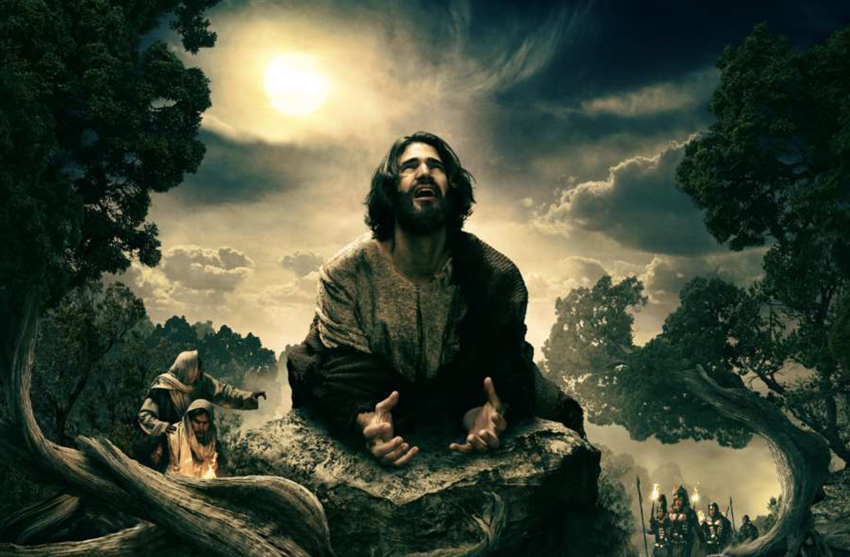
Reactions from Orthodox and other traditions — including Greek Orthodox scholars and theologians — highlighted a preference for contemplative and liturgical representation of Christ’s life rather than intense cinematic violence, reflecting differing theological emphases but not an official removal demand.
The controversy around the movie’s content helped spark wider conversations about how sacred figures are depicted in media, how cultural and doctrinal differences intersect with art, and how audiences of various faiths interpret the Passion narrative.
Ultimately, the film’s impact lies in its polarizing reception: it opened discussions about faith, history, and representation rather than prompting formal ecclesiastical interventions to modify Jesus’ portrayal