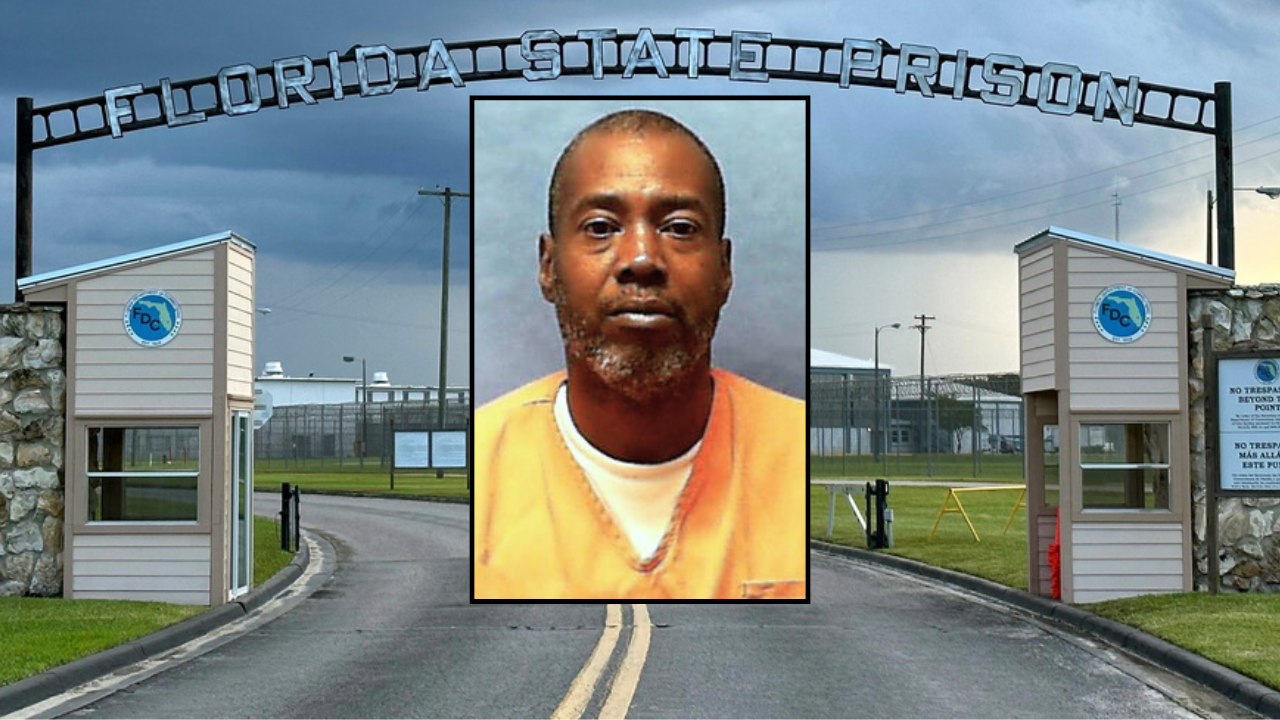
 More than three decades after the fatal shooting of Fort Pierce Police Sergeant Danny Parrish, Florida scheduled the execution of Billy Leon Kearse for March 3, 2026. The case remains one of the longest-running death penalty prosecutions involving the murder of a law enforcement officer in Florida history, spanning multiple generations of appeals, court hearings, and legal challenges.
The events began on January 18, 1991, when Sergeant Danny Parrish conducted a traffic stop in Fort Pierce, Florida. According to prosecutors, the encounter escalated into a violent confrontation during which 18-year-old Billy Leon Kearse gained control of a firearm and shot Parrish multiple times. The killing of the 29-year-old officer shocked the local community and immediately became a high-profile criminal investigation.
Authorities quickly identified Kearse as the suspect and arrested him shortly after the shooting. Prosecutors charged him with capital murder, arguing that the evidence demonstrated the intentional killing of a police officer performing his official duties. The case drew significant public attention because of both the circumstances of the crime and the age of the defendant.
During trial, defense attorneys presented evidence concerning Kearse’s background and upbringing. They argued that his troubled childhood and personal history should be considered as mitigating factors during sentencing. Prosecutors, however, maintained that the murder of Sergeant Parrish warranted the maximum punishment available under Florida law.
A jury ultimately convicted Kearse and sentenced him to death. What followed was a legal battle that would continue for more than thirty-five years. Through state and federal courts, Kearse pursued numerous appeals challenging aspects of his conviction and sentence. Several hearings and reviews examined constitutional issues, sentencing procedures, and claims raised by the defense.
Like many capital cases in the United States, the litigation stretched across decades. Courts repeatedly reviewed the case while the death sentence remained in place. Supporters of the verdict argued that the extensive appellate process demonstrated the thoroughness of the judicial system. Critics of capital punishment pointed to the extraordinary length of the proceedings as evidence of deeper concerns regarding the administration of the death penalty.
 The case returned to public attention when Florida Governor Ron DeSantis signed a death warrant scheduling Kearse’s execution for March 3, 2026. The warrant marked the beginning of the final phase of legal proceedings and renewed discussion surrounding a case that had remained active in the courts for more than three decades.
For the family of Sergeant Danny Parrish, the execution date represented another major milestone in a journey that began with a tragic traffic stop in 1991. For legal observers, the case highlighted the complex and lengthy nature of death penalty litigation in America.
As the scheduled execution date approached, the Billy Leon Kearse case continued to raise questions about justice, accountability, punishment, and the role of the courts in capital cases. More than thirty-five years after Sergeant Parrish’s death, the case remained a powerful reminder of how a single act of violence can leave lasting consequences that extend across generations.