On September 24, 2020, Christopher Vialva faced his final moments strapped to a gurney in the execution chamber at Terre Haute Federal Penitentiary. As the lethal injection began, he drew his last breath at 6:46 p.m., marking the end of a tumultuous life that began with a tragic crime in 1999.
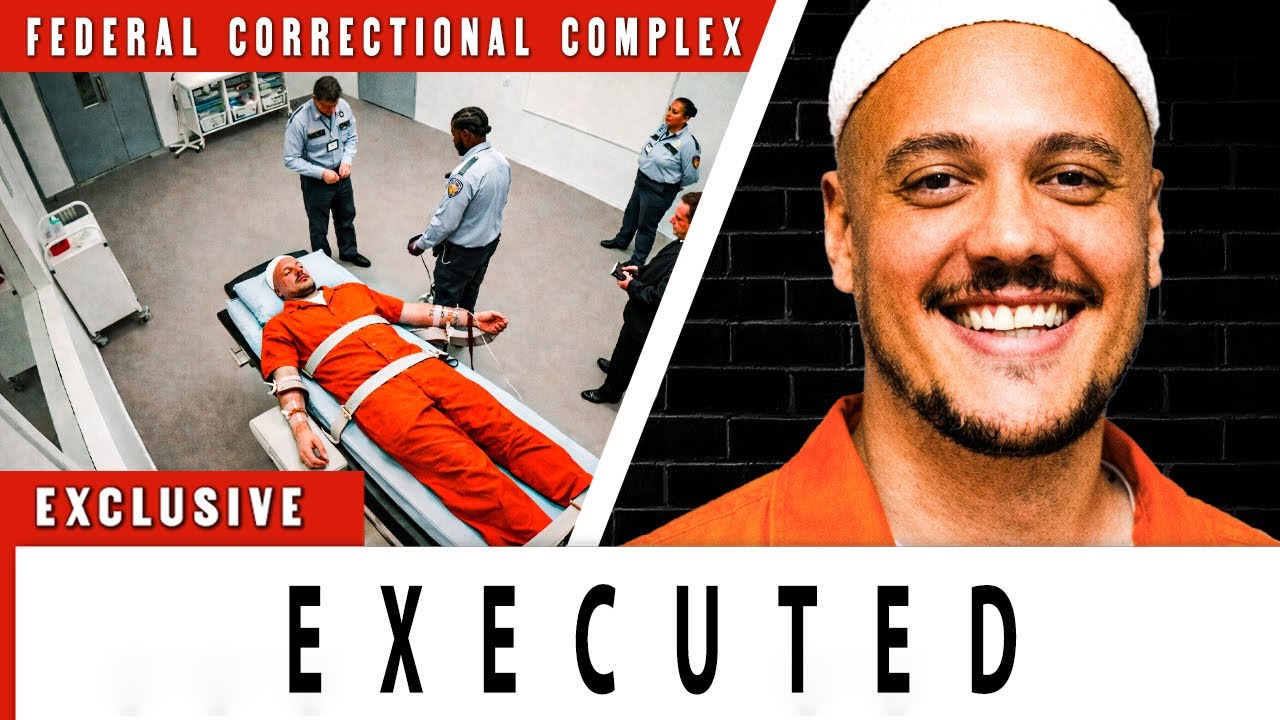 Vialva, who was 40 at the time of his execution, had spent two decades on federal death row for the murders of Todd and Stacie Bagley, a young missionary couple from Iowa. The horrifying events unfolded near Fort Hood in Killeen, Texas, when a group led by Vialva, then just 19, flagged down the Bagleys’ car under the pretense of needing a ride. What started as a simple request spiraled into a nightmare as guns were drawn, and the couple was forced into the trunk of their own vehicle.
Hours later, after driving aimlessly and withdrawing cash from ATMs using the Bagleys’ cards, Vialva and his accomplices made a chilling decision. They stopped in a wooded area, where Vialva shot Todd in the head before turning the gun on Stacie, who was left to die in the trunk from smoke inhalation after they set the car ablaze. The brutal act was reportedly motivated by a need for cash to support gang activities, with Vialva being a member of the 212 Piru Bloods.
 Vialva’s upbringing was marked by rejection and trauma, which many have argued played a significant role in shaping his violent actions. Growing up without a father and facing 𝓪𝓫𝓾𝓼𝓮 and neglect, he fell into gang life, seeking belonging and power in a world that had long marginalized him. The psychological scars from his childhood, including brain damage from a severe infection at birth, raised questions about his capacity for judgment and impulse control.
The aftermath of the crime led to a swift investigation. The burned remains of the Bagleys were discovered the day after the murders, and ATM footage helped authorities identify Vialva and his accomplices. During interrogations, Vialva reportedly admitted to the killings, claiming he shot the couple to “end their suffering.” His trial in 2000 resulted in a death sentence, which sparked controversy over racial bias and the jury’s composition—11 white jurors and one black juror judging a black defendant for the murder of a white couple.

Over the years, Vialva’s legal team filed numerous appeals, highlighting his age at the time of the crime and the impact of his traumatic upbringing. Despite arguments that his brain was not fully developed and that systemic biases influenced his trial, the courts consistently denied his requests for clemency. As the date of his execution approached, public outcry grew, with many advocating for a reconsideration of his case.
 On the day of his execution, Vialva reportedly requested a last meal, though details remain private. As he lay on the gurney, he expressed gratitude for life and sought forgiveness from the Bagley family. His final words echoed through the chamber, leaving a haunting reminder of the complex issues surrounding justice and redemption.
Vialva’s execution marked a pivotal moment in the ongoing debate about the death penalty, particularly concerning racial disparities and the treatment of young offenders. As the first black man executed federally since the resumption of federal executions, his case raised critical questions about the fairness of the justice system and the lasting impact of childhood trauma.
What does Vialva’s story reveal about the complexities of justice, and how can we address the systemic issues that often go overlooked?