A Texas death row inmate was executed Thursday evening despite last-minute efforts to stop the punishment, including a dramatic confession from his cousin claiming responsibility for the fatal shootings that sent him to death row.
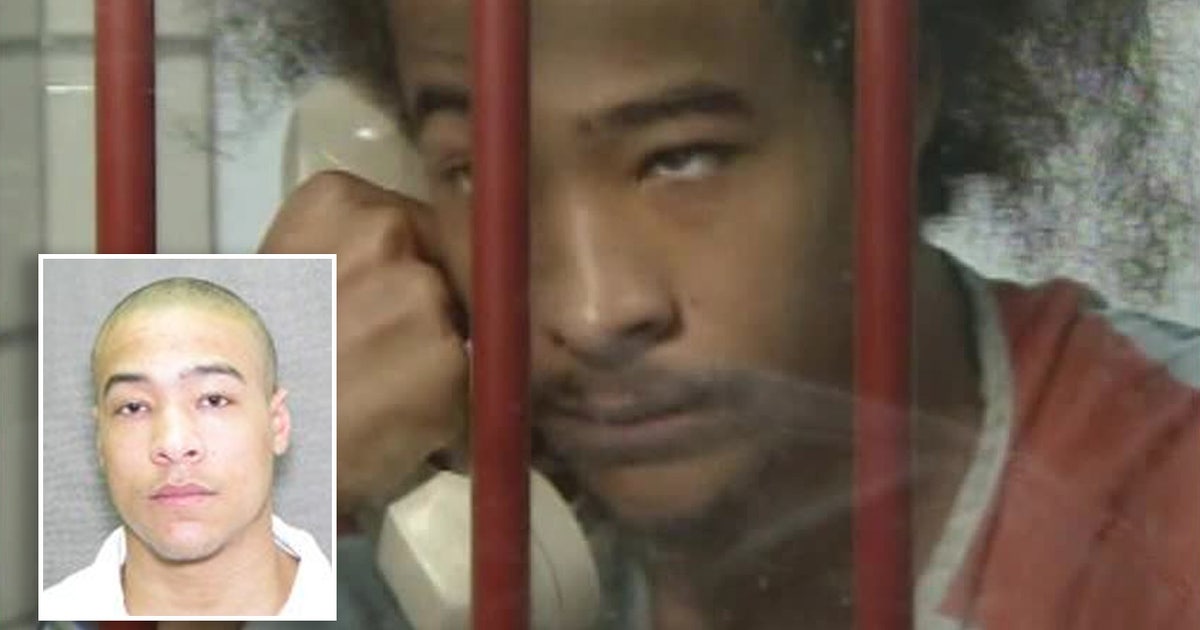
James Broadnax was pronounced dead at 6:47 p.m. after receiving a lethal injection at the state penitentiary in Huntsville, Texas.
His execution closed a case that had sparked years of legal battles, debates over racial bias in jury selection, questions about forensic evidence, and controversy surrounding the use of rap lyrics during criminal trials.
Broadnax was convicted in the 2008 robbery and shooting deaths of Stephen Swan and Matthew Butler outside Butler’s recording studio in Garland, a suburb of Dallas.
Prosecutors argued that Broadnax and his cousin, Demarius Cummings, carried out an armed robbery that ended with both victims being shot and killed in the studio parking lot. While Broadnax received a death sentence, Cummings was sentenced to life without parole.
In the final months before the execution, the case took a surprising turn.
Cummings publicly claimed that he—not Broadnax—had been the gunman.
In a recorded statement created as part of efforts to halt the execution, Cummings declared that he alone fired the fatal shots.
Broadnax’s attorneys seized upon the confession, arguing that it supported long-standing claims that their client was not the shooter. They also pointed to forensic evidence they said supported the new account, noting that Cummings’ DNA—not Broadnax’s—was reportedly linked to the murder weapon and found on evidence connected to the crime scene.
But prosecutors strongly challenged the confession, describing it as unreliable and appearing only after years of litigation and failed appeals.
The Texas Attorney General’s Office argued that the evidence presented at trial overwhelmingly established Broadnax’s guilt and that the new confession did not justify overturning the verdict or delaying the execution.
The families of the victims also remained divided from the defense’s position.
Matthew Butler’s mother publicly rejected the confession, calling it a desperate attempt to stop the execution and insisting that justice should proceed as ordered by the courts.
Broadnax’s legal team also raised concerns about racial discrimination during jury selection.
According to court filings, prosecutors allegedly removed multiple prospective Black jurors during the trial. Attorneys argued that those actions violated constitutional protections established under the landmark U.S. Supreme Court decision in Batson v. Kentucky, which prohibits excluding jurors solely because of race.
State attorneys denied those allegations, maintaining that jurors were removed because of their responses during questioning and not because of race.
Another major issue in the case involved rap lyrics written by Broadnax.
His lawyers argued that prosecutors improperly used his lyrics to portray him as violent and dangerous during sentencing. The issue attracted national attention and drew support from prominent figures in the music industry, including several well-known rap artists who urged courts to review the case.
Despite those challenges, courts repeatedly upheld the conviction and death sentence.
Earlier on the day of the execution, the U.S. Supreme Court declined to intervene. Days before, the Texas Board of Pardons and Paroles had also rejected requests for a reprieve and denied efforts to commute the sentence.
In his final statement, Broadnax remained defiant while also expressing remorse to the victims’ families for his role in the robbery.
As witnesses watched from behind the glass, emotional cries of “I love you” could be heard from his wife.
With the execution completed, a case that had generated years of controversy, legal debate, and competing claims finally reached its conclusion.
Yet questions surrounding the confession, the forensic evidence, and the broader issues raised during the appeals process continue to be discussed long after the sentence was carried out.
⚖️ A double murder. A cousin’s last-minute confession. Claims of racial bias, disputed evidence, and years of appeals before Texas carried out the ultimate punishment.
👉 Should a death sentence be delayed when a co-defendant later claims responsibility for the fatal act, or should courts rely on the evidence presented at trial and upheld through years of appeals?
#JamesBroadnax #Texas #DeathRow #Execution #TrueCrime #CrimeNews #Justice #LawAndCrime #DeathPenalty #USCrime #BreakingNews #CourtNews #CriminalJustice #TrueCrimeCommunity #TexasNews