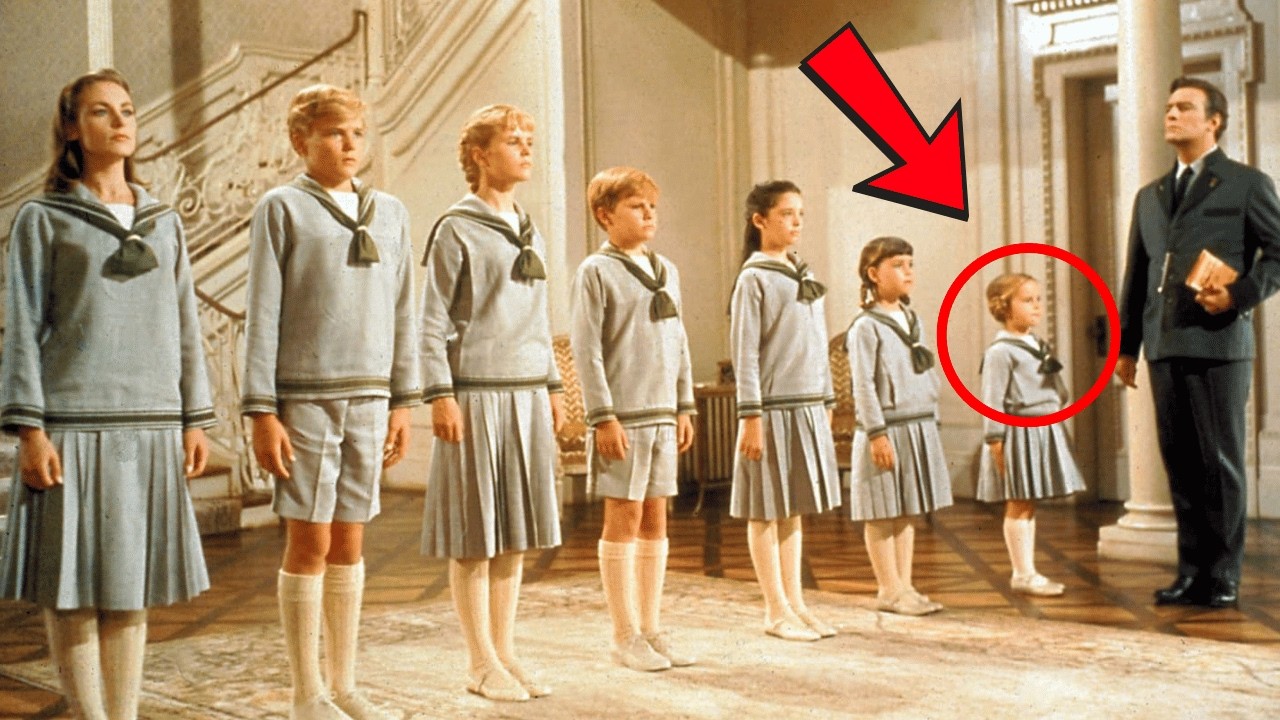
 More than half a century after its release, The Sound of Music remains one of the most beloved films in cinema history. The 1965 musical starring Julie Andrews and Christopher Plummer captivated audiences worldwide and became the highest-grossing film of its era.
But behind the unforgettable songs and picture-perfect scenes lies a fascinating collection of little-known stories, production mishaps, and historical differences that many fans never knew.
Julie Andrews Wasn’t a Guitar Player
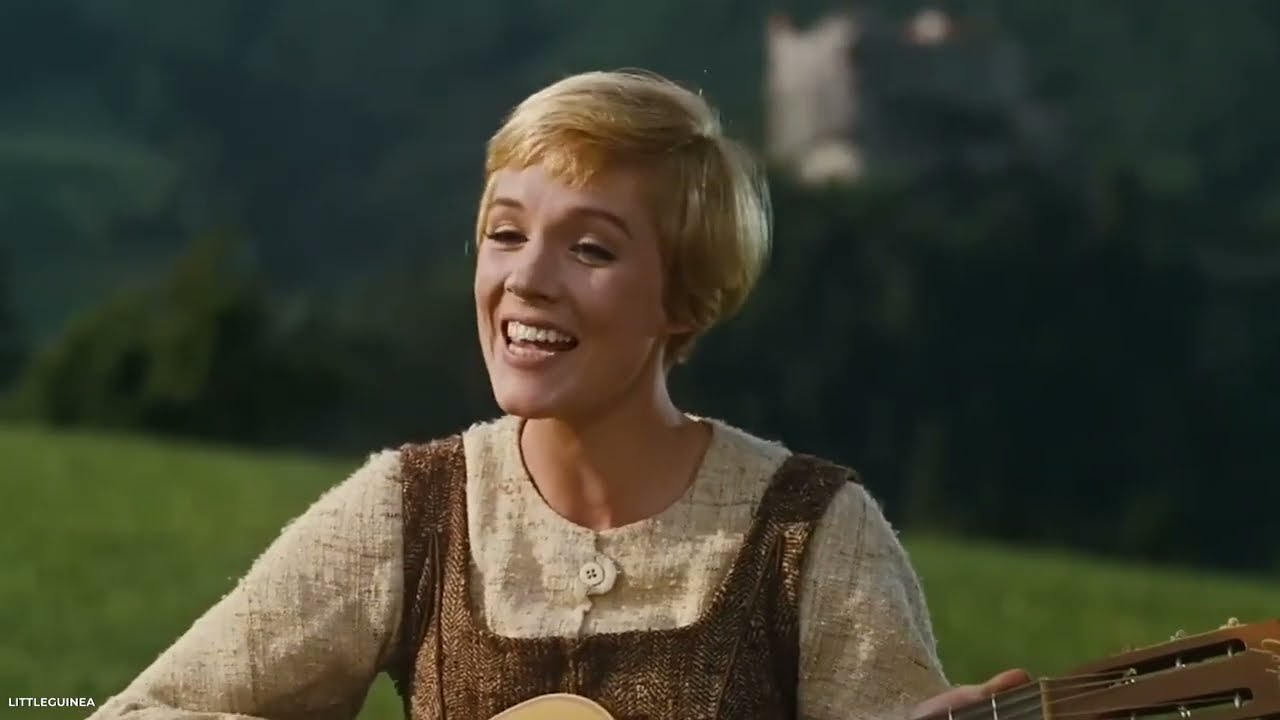
One of the film’s most iconic images is Julie Andrews singing while playing guitar as Maria.
In reality, Andrews had little experience playing the instrument before filming began. She worked extensively to learn the necessary movements and techniques, though some close-up shots required additional assistance to ensure accuracy.
The actress later spoke about the pressure of carrying such a major production and the nerves that accompanied the role.
 A Dangerous Moment During Filming
One of the film’s most memorable scenes involves the von Trapp children and Maria falling into a lake after their boat capsizes.
What many viewers don’t know is that Kym Karath, the child actress who played Gretl, could not swim at the time.
According to cast accounts, she experienced genuine distress during the filming of the sequence and had to be quickly assisted after entering the water.
Fortunately, no serious injuries occurred.
 Christopher Plummer’s Complicated Relationship With the Film
Although Christopher Plummer delivered one of the most memorable performances of his career as Captain von Trapp, he was often candid about his mixed feelings toward the movie.
Over the years, Plummer jokingly described the film as overly sentimental and admitted that he sometimes struggled creatively while making it.
Despite his criticism, he later acknowledged the movie’s lasting impact and the affection audiences continue to have for it.
“Edelweiss” Isn’t Actually an Austrian Folk Song
Many viewers assume that “Edelweiss” is a traditional Austrian folk song.
In fact, the song was written specifically for the musical by Richard Rodgers and Oscar Hammerstein II.
Its authentic sound and emotional connection to Austrian culture have led generations of fans to believe it existed long before the production.
The Real von Trapps Escaped Differently
The film’s dramatic ending shows the von Trapp family escaping Nazi-controlled Austria by crossing mountains into Switzerland.
Historically, the real von Trapp family left Austria by train and traveled to Italy before eventually emigrating.
The mountain escape was created for dramatic storytelling and remains one of the most famous departures from the actual historical events.
Maria von Trapp Received Little From Her Story Rights
Before the musical and film adaptations were created, Maria von Trapp sold rights related to her family’s story.
Reports indicate that the financial compensation she received was relatively modest compared to the enormous success the adaptations would later achieve.
As a result, the family did not receive the kind of long-term financial rewards many people assume accompanied the film’s global popularity.
The Film That Saved a Studio
Perhaps the most remarkable fact about The Sound of Music is its impact on Hollywood itself.
At the time of production, 20th Century Fox was facing serious financial difficulties following the costly failure of Cleopatra.
The enormous success of The Sound of Music helped stabilize the studio and became one of the most profitable films ever released.
Its box-office performance transformed the company’s future and cemented the movie’s place in entertainment history.
A Timeless Classic
Despite production challenges, historical inaccuracies, and behind-the-scenes surprises, The Sound of Music remains one of the most celebrated films ever made.
Its enduring appeal comes not from perfection, but from unforgettable performances, timeless music, and a story that continues to resonate with audiences around the world.
More than sixty years later, the film’s magic remains as powerful as ever.