The case surrounding the death of 5-year-old Harmony Montgomery, one of New Hampshire’s most widely followed child homicide investigations, entered a new chapter when the state’s Supreme Court overturned Adam Montgomery’s second-degree murder conviction. The court ruled that Montgomery did not receive a fair trial on the murder charge because it should have been separated from an earlier assault charge involving Harmony. However, the court upheld his convictions for second-degree assault, witness tampering, falsifying physical evidence, and abuse of a corpse.

The investigation into Harmony’s disappearance began years after prosecutors say she was killed. According to authorities, Harmony died in December 2019 while living with her father in Manchester, New Hampshire. Prosecutors alleged that Montgomery fatally assaulted the child after she had an accident in a vehicle. Following her death, investigators said he concealed the crime and took extensive steps to hide what had happened.
One of the most challenging aspects of the investigation was that Harmony was not reported missing until November 2021, nearly two years after prosecutors say she was killed. Once authorities realized the child had disappeared, detectives launched an extensive search involving local police, state investigators, federal agencies, and child welfare officials. Investigators began reconstructing Harmony’s final known movements through interviews, records, and witness testimony.
According to prosecutors, evidence revealed that Harmony’s body was transported and concealed for months after her death. Investigators alleged that Montgomery moved her remains through various locations in Manchester before eventually disposing of them at an unknown site in early 2020. Despite years of searching, Harmony’s body has never been recovered, making the case particularly difficult from a forensic standpoint.
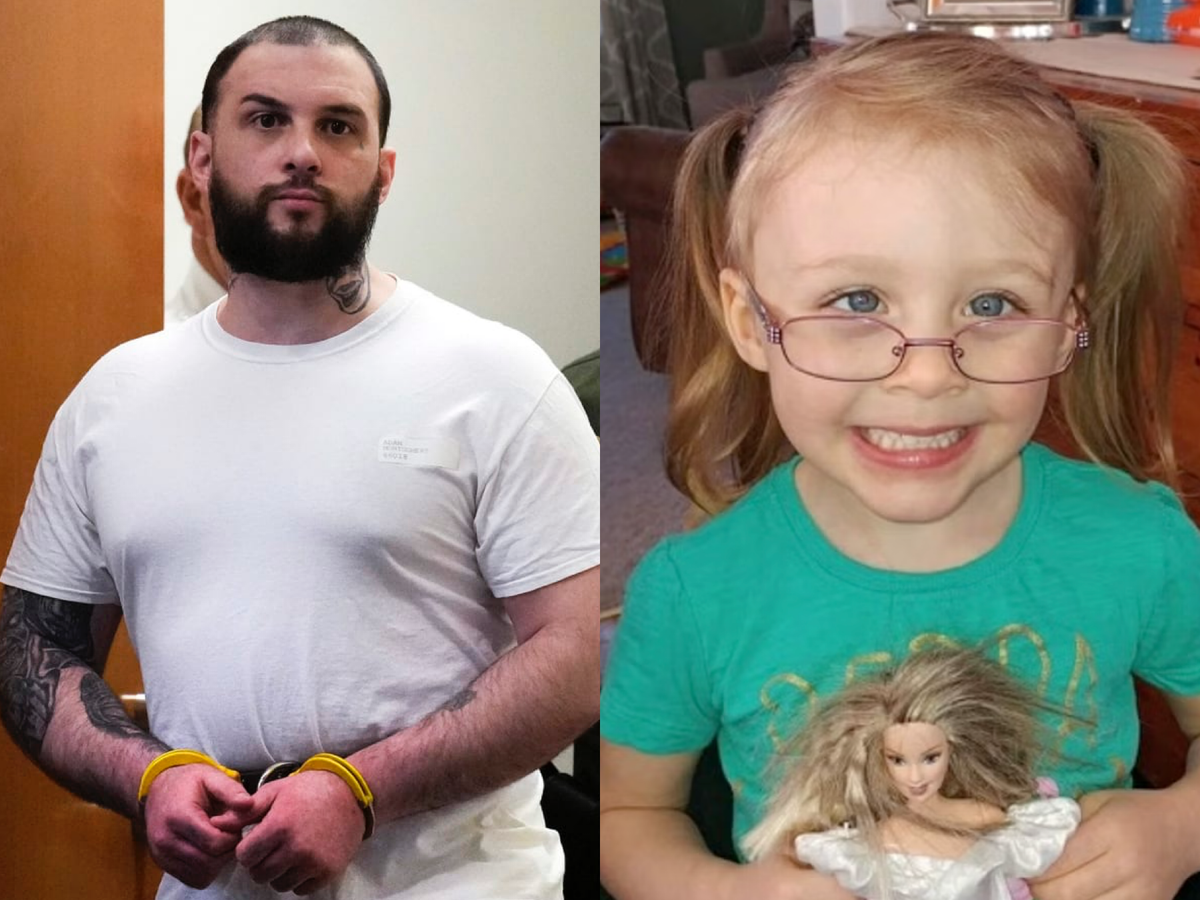
Detectives relied heavily on witness statements, digital evidence, financial records, and testimony from individuals connected to the family. Prosecutors argued that the combined evidence established a timeline showing both the fatal assault and subsequent efforts to conceal the crime. During trial proceedings, jurors heard evidence concerning an earlier incident in July 2019 in which Harmony allegedly suffered a black eye, an event that later became central to the Supreme Court’s ruling.
In its decision, the New Hampshire Supreme Court concluded that the murder charge should have been tried separately from the assault charge because the combined presentation may have unfairly influenced the jury. As a result, the murder conviction was reversed and returned to the lower court for further proceedings. However, the court found no reversible error regarding the other convictions, leaving those guilty verdicts intact.
For investigators, the ruling does not erase years of work dedicated to uncovering what happened to Harmony Montgomery. Instead, it shifts the legal battle into a new phase while preserving several major convictions connected to the alleged cover-up. The case remains one of New Hampshire’s most tragic child homicide investigations, marked by the disappearance of a young girl whose remains have never been found and whose story continues to resonate across the country.

