 Ronald Heath was executed by the State of Florida on September 24, 2024, for the 1989 murder of 33-year-old Robert Stone. The case remained one of Florida’s most closely watched death penalty prosecutions because Heath had previously been convicted of another homicide before being released on parole. Less than a year after that release, prosecutors said he committed the crime that ultimately led to his death sentence.
The events leading to the case began in May 1989. According to prosecutors, Ronald Heath and his younger brother, Kenneth Heath, encountered Robert Stone in Gainesville, Florida. Authorities alleged that the brothers lured Stone under false pretenses before robbing and murdering him in a remote area of Alachua County.
Investigators determined that Stone was shot and killed during the robbery. Evidence gathered during the investigation eventually led authorities to both Ronald and Kenneth Heath. The case drew significant attention because of the brutality of the crime and because Ronald Heath already had a serious criminal history.
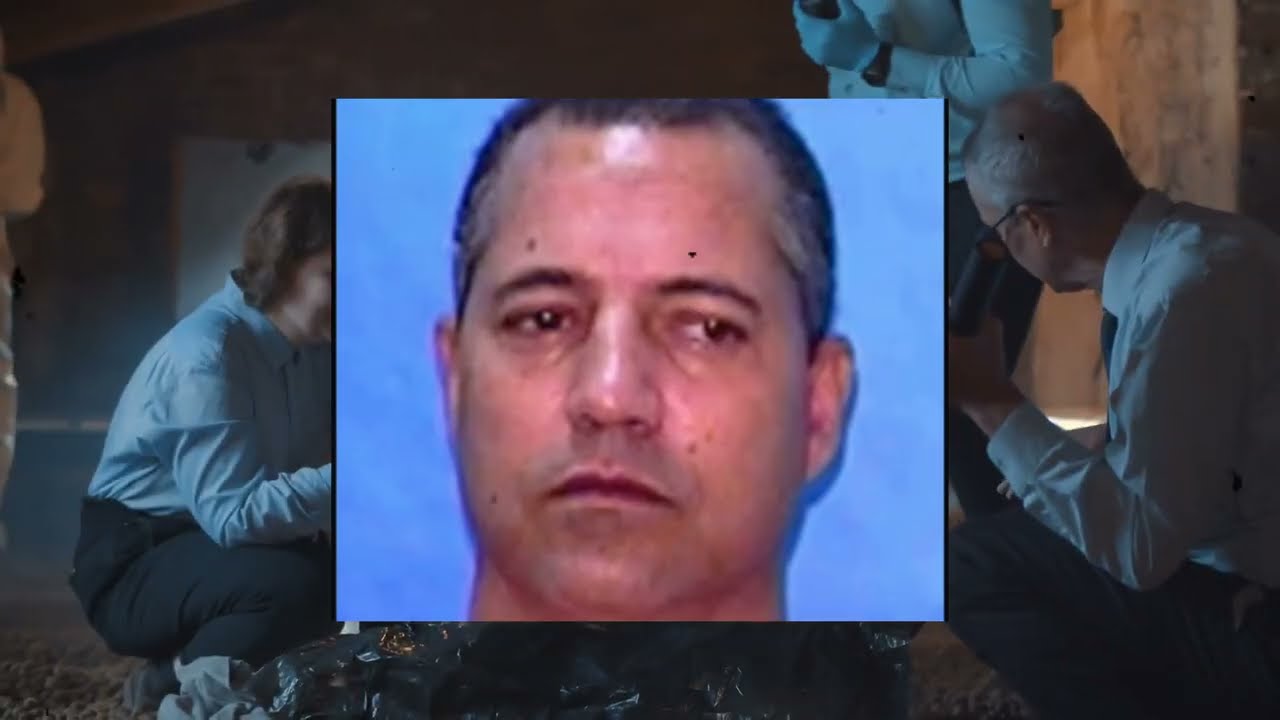 Court records showed that Heath had previously been convicted in connection with an earlier homicide years before the murder of Robert Stone. After serving time in prison, he was released on parole. Prosecutors later argued that the 1989 murder demonstrated a pattern of serious violent criminal behavior.
One of the most significant moments during the prosecution involved testimony from Kenneth Heath. Prosecutors relied in part on evidence provided by Ronald Heath’s brother as they built the case. The testimony became a key component of the state’s efforts to secure a conviction and death sentence.
A jury ultimately convicted Ronald Heath of first-degree murder and sentenced him to death. Over the next three decades, the case moved through state and federal courts as attorneys pursued appeals challenging various aspects of the conviction and sentence. Courts repeatedly upheld both the verdict and the punishment.
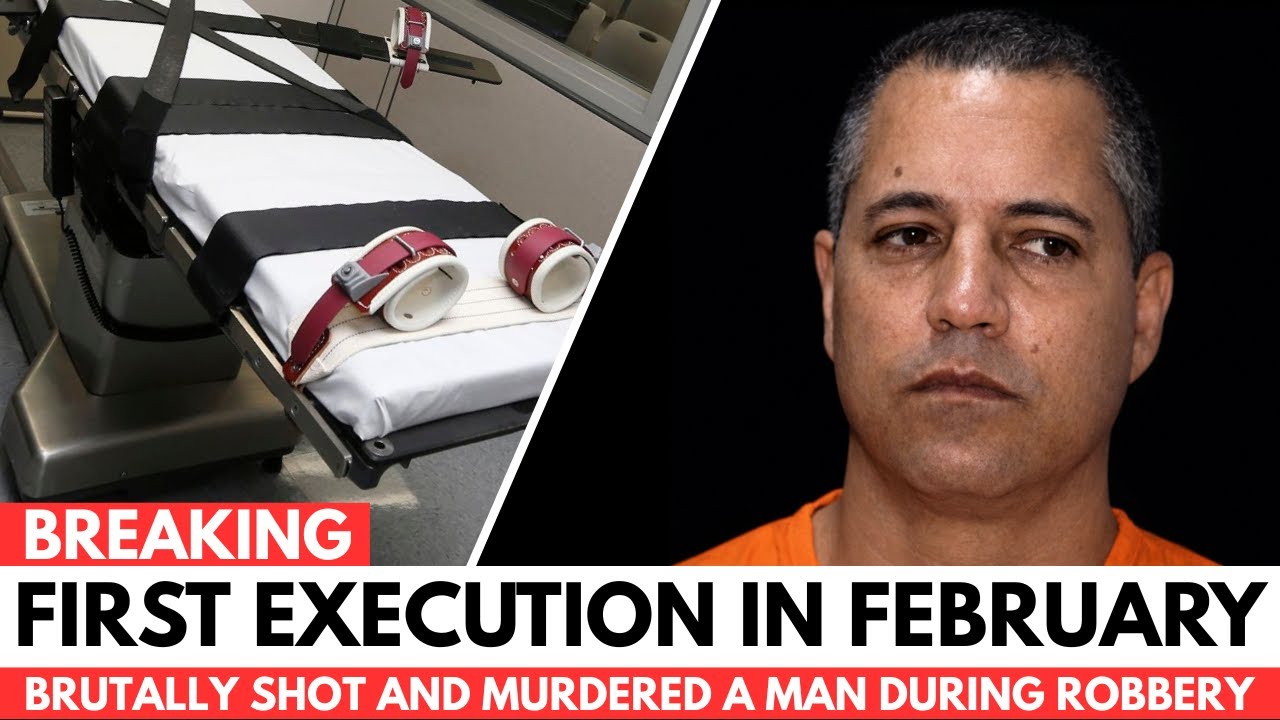 As Florida increased the pace of executions in recent years, Heath’s case returned to public attention. Defense attorneys raised additional legal arguments involving religious freedom claims and other constitutional issues, but courts declined to halt the execution.
On September 24, 2024, Florida carried out the execution after all remaining appeals were exhausted. The execution marked the conclusion of a legal process that had lasted more than thirty-five years since the murder of Robert Stone.
The case continues to generate discussion because it highlights several recurring issues within the criminal justice system, including parole decisions, repeat violent offenders, the role of family testimony in criminal prosecutions, and the lengthy appeals process associated with capital punishment.
 Supporters of the sentence argued that decades of judicial review confirmed the conviction and that justice had finally been delivered for Robert Stone and his family. Others pointed to broader debates surrounding the death penalty and whether executions carried out decades after a crime achieve the goals of punishment and deterrence.
Today, the Ronald Heath case remains a significant chapter in Florida’s death penalty history, remembered both for the crime itself and for the questions it continues to raise about parole, accountability, and the administration of capital punishment in the United States.