Modern scholarship agrees that Jesus of Nazareth was a Jewish man living in first‑century Galilee and would have shared the physical traits common among people in that region at that time. The Gospels provide no detailed description of his appearance, and ancient bioanthropological evidence suggests he probably looked like a typical Galilean Jew rather than the idealized figures seen in later art.

Forensic and historical research indicates that average men in Judea around Jesus’ lifetime were about 5 feet 5 inches (≈ 166 cm) tall with a lean, physically fit build due to daily walking and manual labor, consistent with Jesus’ itinerant lifestyle. His skin tone would likely have been olive to darker brown, reflecting the genetics and climate of the eastern Mediterranean, and he most likely had brown eyes and short, dark, curly hair — in line with regional norms and grooming practices of Jewish men of the time.
Jesus probably wore simple, practical clothing common to rural Judeans — a tunic with a belt, a woolen outer garment, and sandals — rather than the elaborate robes often seen in Western religious art, which were shaped by later cultural and theological traditions, not contemporary dress.
Scholars also note that men of that era typically kept hair short or moderately cropped and maintained trimmed beards, whereas long flowing hair and stylized features in medieval and Renaissance art reflect the artists’ cultural contexts more than historical reality.
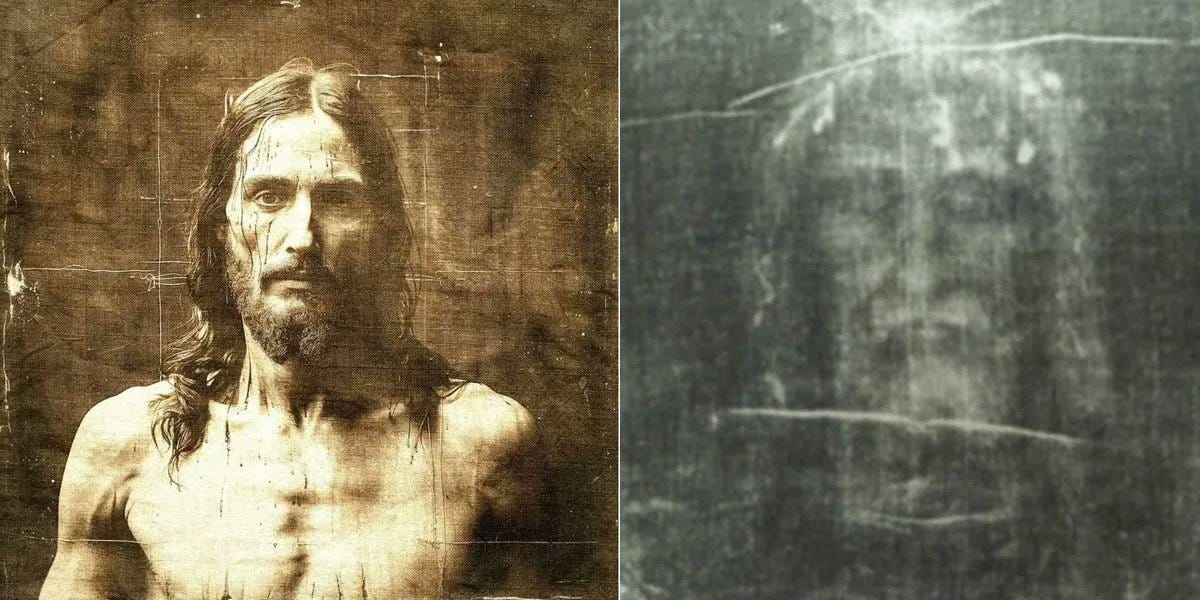
Early Christian art did not settle on a definitive physical type for Jesus until centuries after his death, with Byzantine and later Western depictions gradually standardizing long hair and fair skin — an image that became deeply familiar but is not grounded in first‑century ethnography.
In short, while we cannot reconstruct an exact portrait, historical, cultural, and scientific evidence suggests that Jesus most likely looked like an ordinary Jewish man of his time: modest in stature, with olive‑toned skin, dark hair, brown eyes, and a practical, humble appearance — a figure quite different from many later artistic traditions.