More than three decades after its release, Forrest Gump remains one of the most beloved films in Hollywood history. Starring Tom Hanks in his Oscar-winning role, the 1994 classic became a cultural phenomenon thanks to its unforgettable characters, emotional storytelling, and iconic quotes.
But behind the scenes, the making of Forrest Gump was filled with unexpected challenges, creative improvisation, and little-known stories that many fans have never heard.
Tom Hanks Helped Create One of the Film’s Most Famous Moments
One of the movie’s most recognizable lines comes when Forrest introduces himself with the simple words: “My name is Forrest Gump.”
According to those involved in the production, several moments throughout the film evolved naturally during filming, with Tom Hanks helping shape Forrest’s unique personality through his performance.
His portrayal became one of the defining roles of his career and helped turn the character into a cinematic icon.
 The Secret Behind Lieutenant Dan’s Missing Legs
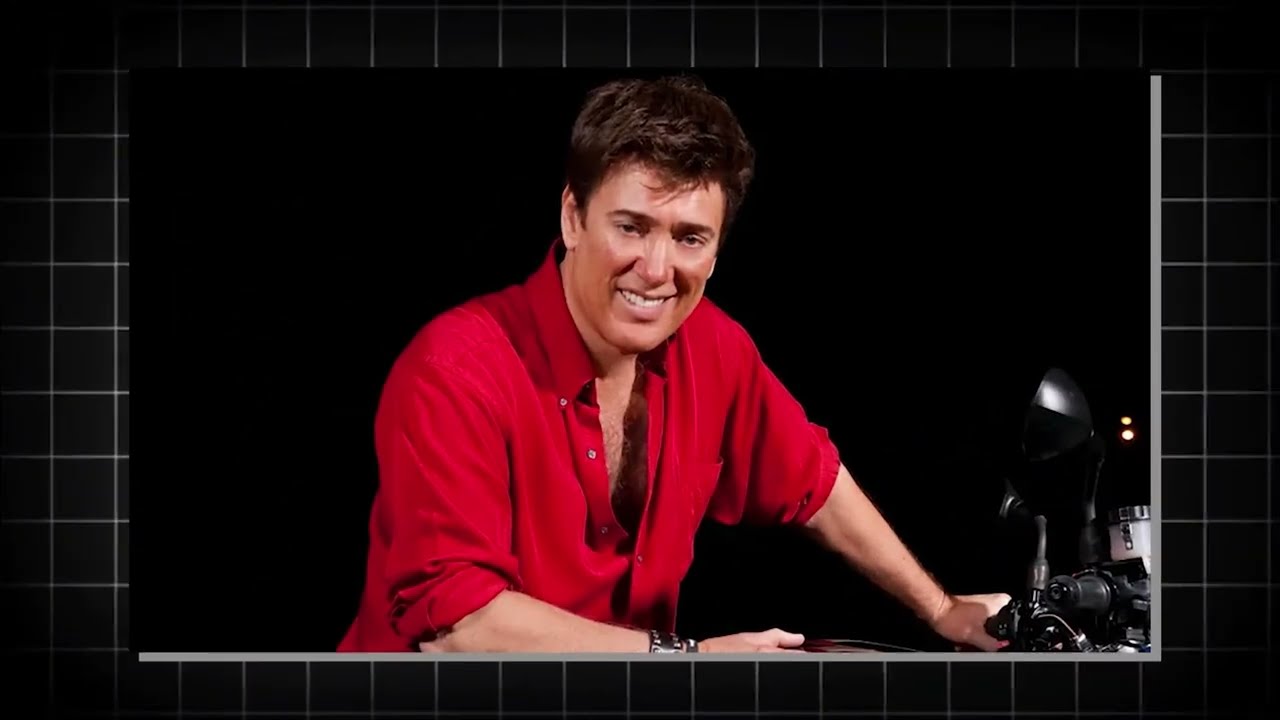
One of the film’s most impressive technical achievements was the portrayal of Lieutenant Dan after he loses his legs during the Vietnam War.
Actor Gary Sinise did not actually undergo any physical transformation. Instead, filmmakers used groundbreaking visual effects techniques to digitally remove his legs—a remarkable achievement for the mid-1990s that helped push visual effects technology forward.
Even today, many viewers are surprised to learn how those scenes were created.
Kurt Russell’s Hidden Contribution
Few fans realize that Kurt Russell played a small but memorable role in the film without appearing on screen.
During the sequence featuring a young Elvis Presley, Russell reportedly provided the voice used for Elvis because he had previously portrayed the music legend in a television film directed by John Carpenter.
It’s one of the movie’s most interesting behind-the-scenes connections.
 The Cross-Country Running Sequence Almost Didn’t Happen
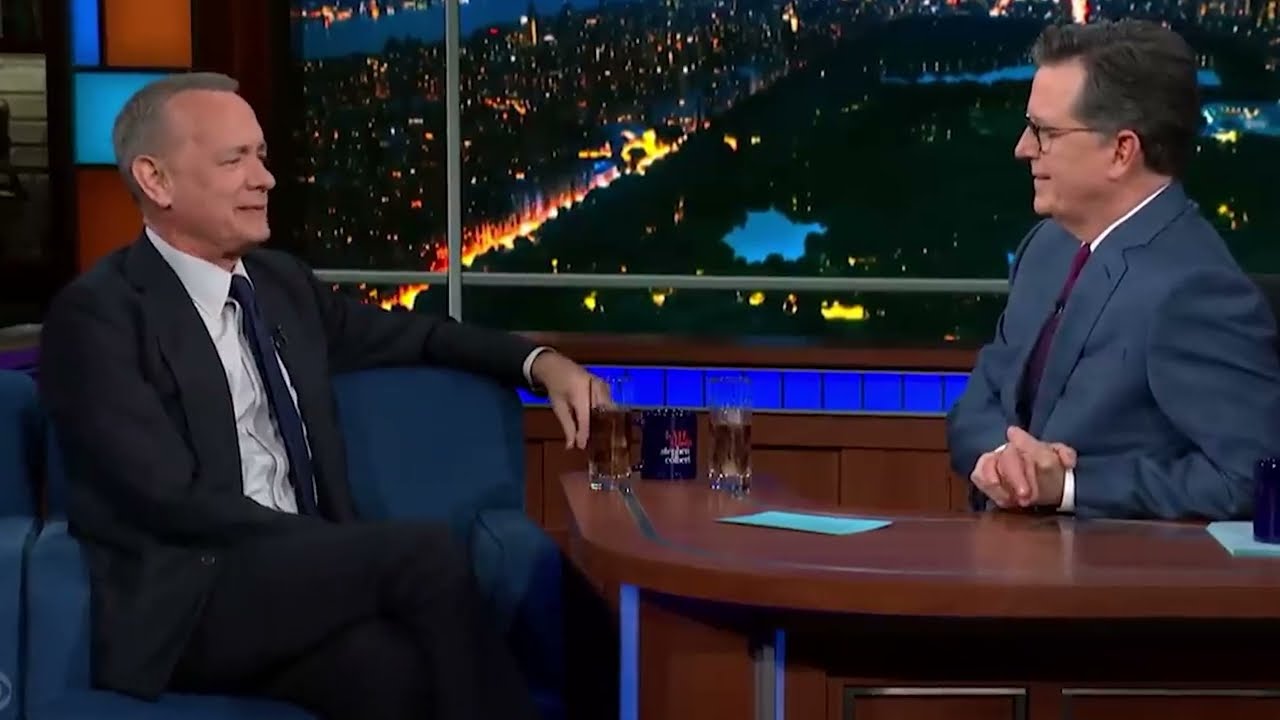
The famous scenes showing Forrest running across America have become some of the most memorable moments in the film.
However, director Robert Zemeckis and Tom Hanks have both discussed how certain sequences faced financial concerns during production. Their commitment to the story helped ensure that key moments remained part of the final film.
The result became one of the movie’s defining visual images.
The Feather Was Real
The floating feather seen at the beginning and end of the film is often assumed to have been entirely computer-generated.
In reality, filmmakers used a combination of practical effects and visual effects work to create the sequence. The feather itself was physically filmed and carefully manipulated to achieve its memorable movement.
The image became one of the most recognizable symbols in modern cinema.
 Tom Hanks Made a Historic Business Decision
Rather than taking a traditional salary structure, Hanks negotiated a deal that included a percentage of the film’s profits.
The decision proved extraordinarily successful after Forrest Gump became one of the biggest box-office hits of the decade.
It remains one of the most famous profit-sharing arrangements in Hollywood history.
A Legacy That Endures
Released in 1994, Forrest Gump won six Academy Awards, including Best Picture, Best Director, and Best Actor for Tom Hanks.
Its blend of humor, heartbreak, history, and optimism continues to resonate with audiences around the world.
The hidden stories behind the film serve as a reminder that some of cinema’s most memorable moments are created through creativity, risk-taking, and occasional happy accidents.
And perhaps that’s fitting for a movie that taught generations of viewers that life is often unpredictable—and sometimes the most unexpected moments become the ones people remember forever.