The murder of 19-year-old community college student Melissa Trotter became one of Texas’ most debated capital murder cases. More than two decades after her death, Larry Swearingen was executed for the crime, despite maintaining his innocence until his final moments. The case drew national attention because of continuing disputes over forensic evidence, the estimated time of death, and the reliability of testimony presented during the original trial.
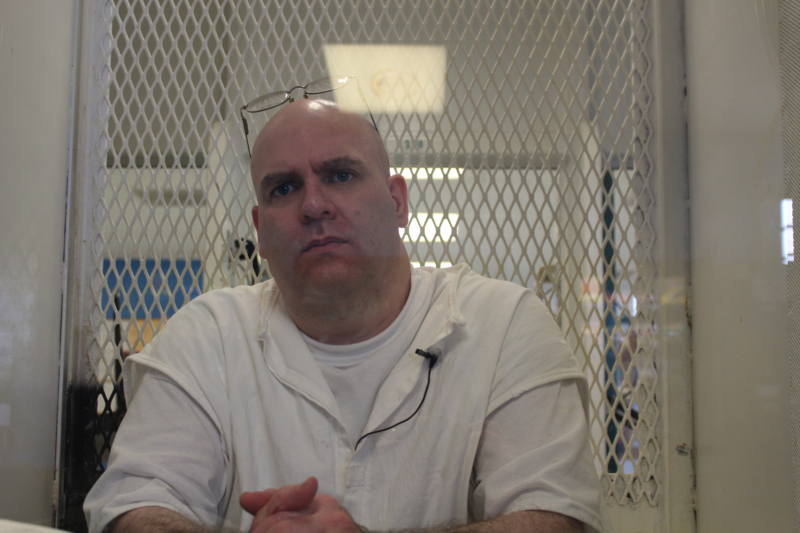
The investigation began on December 8, 1998, when Trotter disappeared after leaving Montgomery College in Conroe, Texas. Friends and family reported her missing when she failed to return home. Detectives launched an extensive search, interviewing witnesses, reviewing her movements, and attempting to identify anyone she may have encountered before vanishing.
Investigators soon focused on Larry Swearingen, who had reportedly been seen with Trotter shortly before her disappearance. Evidence gathered during the investigation included witness statements, physical evidence, and information about Swearingen’s activities in the days surrounding the disappearance. Nearly a month later, on January 2, 1999, searchers discovered Trotter’s body in a wooded area near Huntsville. Medical examiners determined she had been strangled.
Prosecutors argued that the evidence established Swearingen’s guilt beyond a reasonable doubt. They pointed to witness testimony, forensic findings, and circumstantial evidence linking him to the victim. During trial, prosecutors maintained that Trotter had been abducted, sexually assaulted, and murdered before her body was left in the forest. A jury ultimately convicted Swearingen of capital murder in 2000 and sentenced him to death.
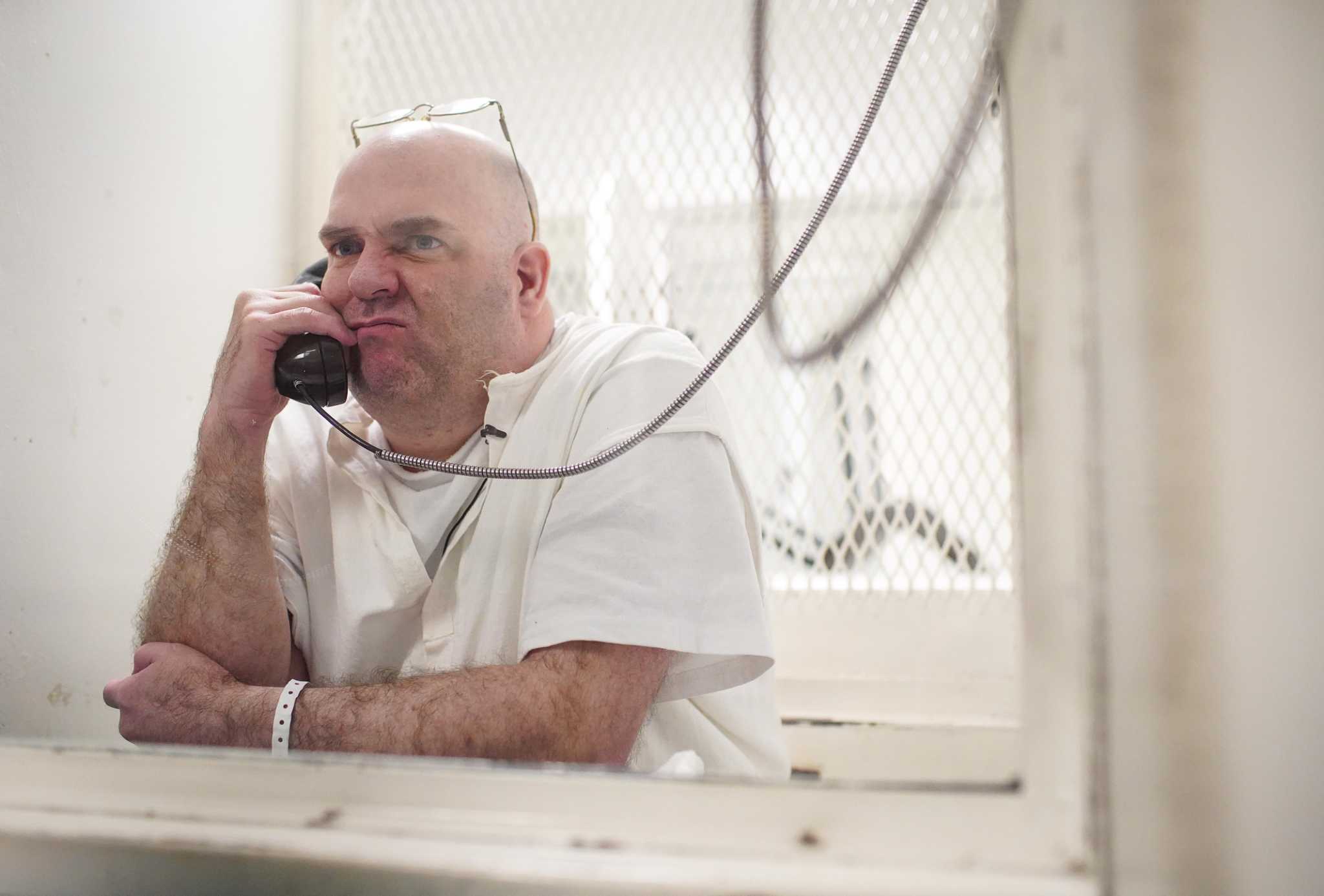
Over the following years, the case became the subject of repeated appeals and legal challenges. Swearingen’s attorneys, supported by innocence advocates and forensic experts, argued that the scientific evidence regarding decomposition contradicted the prosecution’s timeline. Defense experts claimed Trotter’s body could not have been left in the woods for as long as prosecutors alleged. Because Swearingen was already in custody during part of that period, they argued someone else could have been responsible for disposing of the body.
Prosecutors and reviewing courts consistently rejected those arguments. They maintained that the overall evidence against Swearingen remained overwhelming and that alternative interpretations of the forensic findings did not undermine the conviction. Appeals courts repeatedly upheld the verdict, describing the case as supported by a substantial body of evidence beyond the disputed scientific testimony. Efforts to challenge evidence involving blood traces and pantyhose used in the killing were also unsuccessful.
After multiple execution stays over nearly two decades, Texas carried out Swearingen’s death sentence in January 2019. In his final statement, he continued to deny responsibility for Trotter’s murder. For Melissa Trotter’s family, the execution marked the conclusion of a legal battle that had lasted more than twenty years. For legal experts and criminal justice advocates, however, the case remains one of the most discussed death penalty cases in Texas history because of the continuing debate over forensic science, evidentiary standards, and claims of innocence.