Lil Durk Faces Escalating Federal RICO Case as Prosecutors Expand Allegations Ahead of Trial
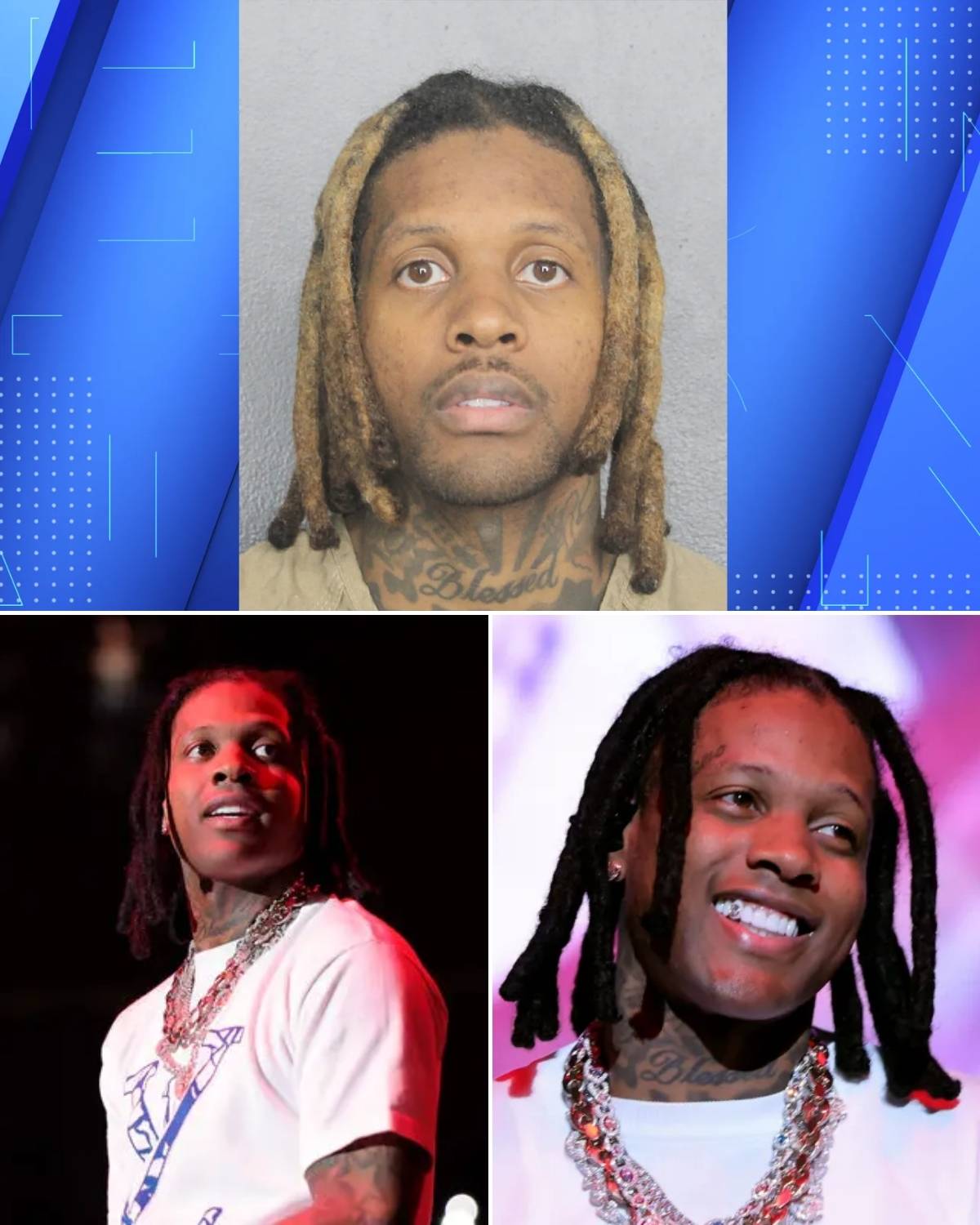
Lil Durk’s federal legal troubles have taken another dramatic turn as prosecutors continue to build what they describe as a sweeping racketeering case against the Chicago rap star.
The rapper, whose real name is Durk Banks, is facing serious federal charges tied to an alleged murder-for-hire plot and broader racketeering allegations. While the case has not yet gone to trial, recent court filings and prosecutorial actions have intensified scrutiny surrounding one of hip-hop’s biggest names.
What began as a conspiracy case has reportedly evolved into a much larger federal prosecution, with authorities expanding the scope of the allegations to include events spanning several years.
Federal prosecutors have argued that the evidence paints a broader picture of criminal activity than originally alleged. Durk, however, remains presumed innocent unless and until proven guilty in court.
Prosecutors Expand the Case
According to reports, federal authorities recently expanded the allegations against Durk through a racketeering indictment that reaches back several years.
The move significantly increases the scope of the government’s case.
Rather than focusing solely on the originally alleged conspiracy, prosecutors now claim that the conduct under investigation forms part of a larger criminal enterprise.
Racketeering cases, commonly referred to as RICO cases, allow prosecutors to present evidence involving multiple alleged criminal acts that they argue are connected to an ongoing organization or enterprise.
Legal analysts note that RICO prosecutions can be particularly challenging for defendants because prosecutors are often permitted to introduce a broader range of evidence than in traditional criminal cases.
Federal authorities contend that the expanded allegations demonstrate a continuing pattern of criminal conduct.
Defense attorneys are expected to challenge those claims aggressively as the case moves toward trial.
Alleged Evidence Under Federal Review

Court filings indicate that prosecutors intend to rely on multiple categories of evidence.
Among the evidence reportedly referenced by the government are communications, social media activity, witness testimony, financial records, and video footage.
Authorities have also reportedly sought to introduce evidence related to music content and visual media that they believe may help establish motive or intent.
The use of rap lyrics and music videos in criminal proceedings has generated significant debate in recent years.
Supporters argue that such material can sometimes provide insight into intent, motive, or knowledge of criminal activity.
Critics contend that artistic expression is frequently misunderstood and should not automatically be treated as evidence of wrongdoing.
The court will ultimately determine what evidence is admissible at trial.
Cooperating Witnesses Could Play Key Role
One of the most significant developments involves reports that a former associate of Durk may cooperate with federal prosecutors.
Cooperating witnesses often become central figures in major federal prosecutions.
Such witnesses may provide testimony regarding alleged activities, conversations, planning, or organizational structures that prosecutors claim support their case.
Defense attorneys frequently challenge the credibility of cooperating witnesses by arguing that they have incentives to provide testimony favorable to the government.
Federal juries are typically instructed to carefully evaluate such testimony and consider any benefits that witnesses may receive in exchange for cooperation.
If a cooperating witness ultimately testifies, their credibility could become a major issue during trial.
Government Continues Building Its Case
Federal prosecutors have indicated that they believe they possess substantial evidence supporting the charges.
Among the materials reportedly referenced in court proceedings are electronic communications, photographs, witness statements, and other investigative records.
The government has argued that the collection of evidence, when viewed together, supports its allegations.
Defense attorneys, meanwhile, are expected to challenge both the reliability and interpretation of that evidence.
As is common in high-profile federal prosecutions, pretrial motions regarding evidence are likely to play a critical role in shaping the eventual trial.
Potential Consequences Remain Serious

Although no verdict has been reached, the stakes in the case are extraordinarily high.
Federal racketeering charges can carry severe penalties if a defendant is convicted.
However, it is important to emphasize that no sentence can be imposed unless a conviction occurs through a guilty plea or trial verdict.
Despite online speculation and social media rumors, the outcome of the case remains undecided.
The federal court process is still ongoing, and prosecutors must prove their allegations beyond a reasonable doubt.
Durk maintains all constitutional rights afforded to criminal defendants, including the presumption of innocence.
Public Attention Intensifies
The case has attracted widespread attention from fans, legal commentators, and members of the music industry.
As one of the most recognizable figures in modern rap, Durk’s legal battle has become one of the most closely watched criminal cases involving a major recording artist.
Every new filing, court hearing, and evidentiary ruling has generated significant discussion online.
The government’s decision to broaden the case has only increased public interest.
Whether prosecutors ultimately succeed will depend on the evidence presented in court and the decisions made by a jury.
Trial Will Determine the Outcome
For now, the allegations remain exactly that—allegations.
Federal prosecutors have outlined a far-reaching theory of the case, but those claims have not yet been tested before a jury.
Durk has not been convicted of the expanded racketeering allegations, and any suggestion that he has already been sentenced would be inaccurate unless a court has formally entered such a judgment.
As the case progresses, both sides are expected to continue fighting over evidence, witness testimony, and the scope of the allegations.
The eventual trial could become one of the most closely followed federal criminal proceedings involving a major music artist in recent years.
Until a verdict is reached, the legal battle remains ongoing, and the final outcome is still unknown.