TEEN KILLER EXECUTED: Texas Carries Out Death Sentence in Case That Sparked National Debate
The execution of Napoleon Beazley remains one of the most controversial death penalty cases in modern American history. More than two decades after the crime that placed him on death row, legal scholars, criminal justice advocates, victims’ rights supporters, and ordinary Americans continue to debate whether the State of Texas made the right decision when it carried out his execution.
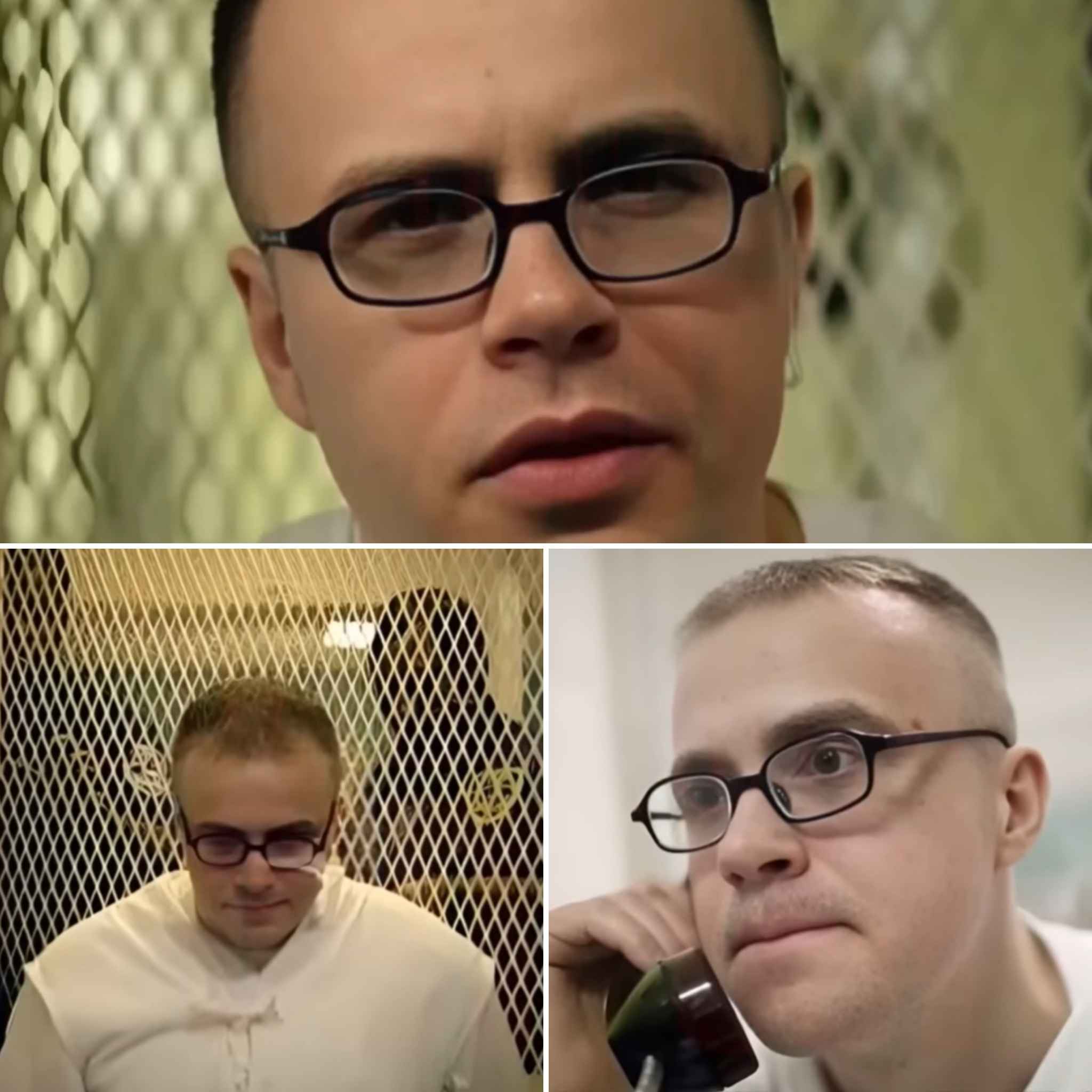
At the center of the controversy was a question that extended far beyond a single criminal case: Should someone who commits a murder as a teenager ever face the death penalty?
For supporters of the sentence, the answer was clear. A life had been taken in a deliberate act of violence, and the seriousness of the crime demanded the ultimate punishment.
For critics, however, Beazley’s age at the time of the offense raised profound concerns about judgment, maturity, rehabilitation, and whether society should execute individuals who committed crimes before reaching adulthood.
The debate remains relevant today because it helped shape national discussions about juvenile offenders, criminal responsibility, and the future of capital punishment in the United States.
A Crime That Shocked Texas
The events that ultimately led to Napoleon Beazley’s execution began in April 1994.
According to prosecutors, Beazley was involved in a plan to steal a luxury vehicle. At the time, he was only 17 years old and living in Texas.
What authorities described as a carjacking quickly escalated into a deadly encounter.
The victim, John Luttig, was a successful businessman who was approached outside his home. During the confrontation, prosecutors said Beazley shot Luttig, resulting in his death.
The killing sent shockwaves through the community.
Law enforcement officials quickly launched an investigation, gathering evidence and interviewing witnesses. It did not take long before Beazley became the focus of the case.
As details emerged, the crime attracted significant public attention.
The circumstances were disturbing enough on their own. However, another factor soon made the case even more controversial: the age of the accused.
Beazley was not an adult.
He was a teenager.
That fact would become central to every legal argument, appeal, and public debate that followed.
A Teenager Unlike Many Others on Death Row
One reason the case received national attention was that Napoleon Beazley did not fit the stereotype many people associated with violent offenders.
Reports at the time described him as intelligent, academically successful, and capable of achieving a promising future.
Teachers, classmates, and supporters often pointed to his academic accomplishments and leadership qualities.
Some who knew him struggled to reconcile those achievements with the crime prosecutors said he committed.
His supporters argued that his background made the case especially tragic.
Rather than portraying him as someone destined for criminal behavior, they described a young man whose life took a catastrophic turn because of one terrible decision.
Critics of the death sentence frequently cited this aspect of the case.
They argued that teenagers possess incomplete emotional and psychological development and are often more susceptible to poor decision-making than adults.
Supporters of the prosecution responded that intelligence and opportunity should not excuse murder.
In their view, Beazley’s accomplishments made his actions even harder to understand rather than less serious.
The contrasting perspectives helped transform the case from a local murder trial into a national discussion about crime, punishment, and accountability.
The Trial and Conviction
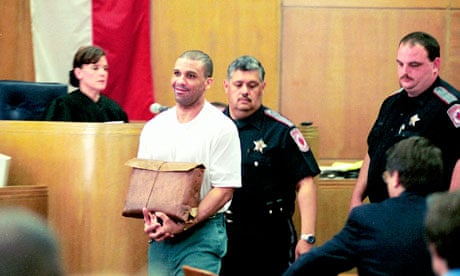
As the case moved through the legal system, prosecutors presented evidence supporting their version of events.
They argued that the shooting occurred during an attempted theft and that the killing was intentional.
The prosecution maintained that the evidence clearly demonstrated Beazley’s responsibility for John Luttig’s death.
Jurors ultimately agreed.
Beazley was convicted of capital murder.
The conviction alone was significant, but the sentencing phase would generate even greater controversy.
Because Texas law at the time permitted capital punishment for certain offenders who committed crimes at age 17, prosecutors sought the death penalty.
The jury ultimately imposed that sentence.
For John Luttig’s family, the verdict represented justice.
For Beazley’s supporters, it marked the beginning of a long battle to save his life.
Appeals and a Growing National Debate
Death penalty cases often involve years of appeals, and Beazley’s case was no exception.
His attorneys pursued numerous legal challenges in both state and federal courts.
Many of those appeals focused on broader constitutional questions rather than disputes over the facts of the crime itself.
Supporters argued that executing someone for a crime committed as a teenager violated evolving standards of decency and failed to recognize important differences between adolescents and adults.
Psychologists and legal experts increasingly pointed to research suggesting that teenagers often lack the maturity, impulse control, and judgment possessed by fully developed adults.
These arguments gained traction across the country.
During the late 1990s and early 2000s, a growing number of legal scholars questioned whether juvenile offenders should ever be subject to execution.
Beazley’s case became one of the most visible examples cited in that debate.
National organizations, religious leaders, human rights advocates, and anti-death penalty groups urged authorities to reconsider the sentence.
Many believed his execution would send the wrong message about justice and rehabilitation.
Others strongly disagreed.
Victims’ rights advocates emphasized that a man had been murdered and that the suffering experienced by his family should not be overlooked.
For them, accountability remained the most important consideration.
Calls for Clemency
As execution dates approached, efforts to obtain clemency intensified.
Supporters from various backgrounds appealed to state officials, asking them to commute Beazley’s sentence to life imprisonment.
Some former judges, legal experts, and public figures expressed concern about executing someone for a crime committed at age 17.
The clemency campaign generated widespread media coverage.
Newspapers across the country published editorials discussing the case.
Television programs examined the legal and moral questions involved.
Advocacy organizations organized campaigns aimed at persuading Texas officials to intervene.
Despite these efforts, courts repeatedly upheld the conviction and sentence.
Judges concluded that existing law allowed the punishment and that the legal standards required for overturning the sentence had not been met.
The decisions disappointed those hoping for a last-minute reprieve.
Yet supporters continued pressing forward until the final days before the scheduled execution.
The Victim at the Center of the Case
While much of the public discussion focused on Beazley, supporters of the sentence emphasized another important reality: a victim had lost his life.
John Luttig was remembered by family members and friends as a husband, father, and respected member of the community.
His death created a void that could never be filled.
For relatives, the case was not primarily about legal theories or national debates.
It was about the loss of a loved one.
Supporters of the death sentence argued that discussions about Beazley’s age should not overshadow the suffering experienced by the victim’s family.
They maintained that justice required accountability for actions that permanently altered multiple lives.
This perspective resonated with many Americans who believed the severity of the crime justified the punishment imposed by the courts.
The tension between these competing viewpoints became one of the defining features of the case.
Execution Day
In May 2002, after years of appeals, Texas carried out Napoleon Beazley’s execution.
He was 25 years old.
The execution immediately generated national headlines.
News organizations across the United States covered the event and revisited the long-running debate surrounding the case.
Supporters of the sentence viewed the execution as the conclusion of a legal process that had thoroughly examined every available appeal.
Critics saw it differently.
Many argued that executing someone for a crime committed as a teenager represented a failure to recognize the potential for growth and rehabilitation.
The execution became one of the most widely discussed juvenile offender cases in the country.
Even after it was over, the arguments surrounding the case continued.

The Science of Youth and Decision-Making
One reason the Beazley case remains relevant is that it coincided with growing scientific research into adolescent brain development.
Studies increasingly suggested that teenage brains are not fully mature.
Researchers found that areas responsible for impulse control, long-term planning, and risk assessment continue developing well into early adulthood.
These findings became important in legal discussions.
If teenagers are biologically different from adults in ways that affect judgment and decision-making, should the justice system treat them differently?
Many experts answered yes.
They argued that adolescents possess a greater capacity for change and rehabilitation.
Others cautioned against using science to excuse serious crimes.
They noted that victims suffer the same consequences regardless of the offender’s age.
The disagreement remains one of the most challenging issues in criminal justice policy.
A Turning Point in American Law
Just a few years after Beazley’s execution, the legal landscape changed dramatically.
In 2005, the United States Supreme Court ruled in Roper v. Simmons that executing individuals for crimes committed before age 18 violates the Constitution.
The decision effectively ended juvenile executions nationwide.
The ruling reflected many of the arguments that had surfaced during debates surrounding Beazley’s case.
The Court cited differences between adolescents and adults, including immaturity, vulnerability to outside influences, and greater potential for reform.
Had the decision existed earlier, Beazley would not have been eligible for execution.
This fact has contributed to the continuing interest in his case.
For some observers, he became one of the last examples of a practice that the nation ultimately abandoned.
For others, the later legal change does not alter the seriousness of the crime or the validity of the original sentence under the law at that time.
Justice Versus Rehabilitation
The central question raised by the Beazley case continues to divide public opinion.
What should society prioritize when dealing with serious crimes committed by teenagers?
One side emphasizes justice and accountability.
Supporters of this perspective argue that certain acts are so severe that punishment must reflect the harm caused.
They believe age should not automatically shield offenders from the most serious consequences.
The other side focuses on rehabilitation and human development.
Advocates argue that teenagers possess a unique capacity for growth and change.
They contend that even those who commit terrible crimes as adolescents may eventually become very different people.
Both perspectives stem from deeply held beliefs about morality, responsibility, and public safety.
Neither side has fully resolved the tension between them.
Why the Case Still Matters Today
More than twenty years later, the Beazley case remains part of broader conversations about criminal justice reform.
Law schools continue discussing it.
Legal scholars continue analyzing it.
Advocates on both sides continue citing it when debating capital punishment and juvenile sentencing.
The case serves as a reminder that some legal questions extend beyond individual defendants.
They touch on society’s understanding of fairness, punishment, and redemption.
For many Americans, the story represents a tragedy with no easy answers.
A man lost his life.
A teenager lost his future.
Families on both sides endured years of pain and public scrutiny.
Even now, opinions remain sharply divided.
A Debate That Has Never Truly Ended
The execution of Napoleon Beazley may have concluded one legal case, but it did not end the larger debate.
Americans continue to disagree about how the justice system should handle violent crimes committed by teenagers.
Some believe certain acts warrant the harshest punishment available, regardless of age.
Others argue that youth should always be considered a powerful mitigating factor.
The questions raised by the case remain as relevant today as they were decades ago.
Can a teenager fully understand the consequences of a deadly decision?
Should society focus more on punishment or rehabilitation?
Is there ever a circumstance in which a juvenile offender deserves the death penalty?
These questions continue to shape criminal justice policy across the country.
Conclusion
The story of Napoleon Beazley remains one of the most significant juvenile offender cases in modern American history. His execution by Texas for the murder of John Luttig continues to provoke strong reactions from people on all sides of the death penalty debate.
To some, the sentence represented justice for a life that was taken during a violent crime.
To others, it represented a troubling example of a punishment imposed on someone who committed a terrible act before reaching adulthood.
What is undeniable is that the case helped fuel a national conversation that eventually contributed to major changes in American law.
Today, juvenile offenders can no longer be executed in the United States. Yet the questions raised by Beazley’s case remain unresolved.
How should society balance accountability with the possibility of redemption?
When young people commit horrific crimes, should punishment focus primarily on justice, rehabilitation, or both?
The answers continue to divide Americans, ensuring that the legacy of the Napoleon Beazley case will remain part of the national conversation for years to come.