FLORIDA EXECUTION: Steven Lorenzo’s Final Hours End One of the State’s Most Notorious Serial Murder Cases
The execution of Steven Lorenzo closed the final chapter in one of Florida’s most disturbing criminal cases, bringing an end to a legal battle that lasted more than two decades. Convicted for a series of crimes involving the drugging, torture, murder, and dismemberment of multiple victims, Lorenzo became one of the most notorious killers ever sentenced to death in the state.
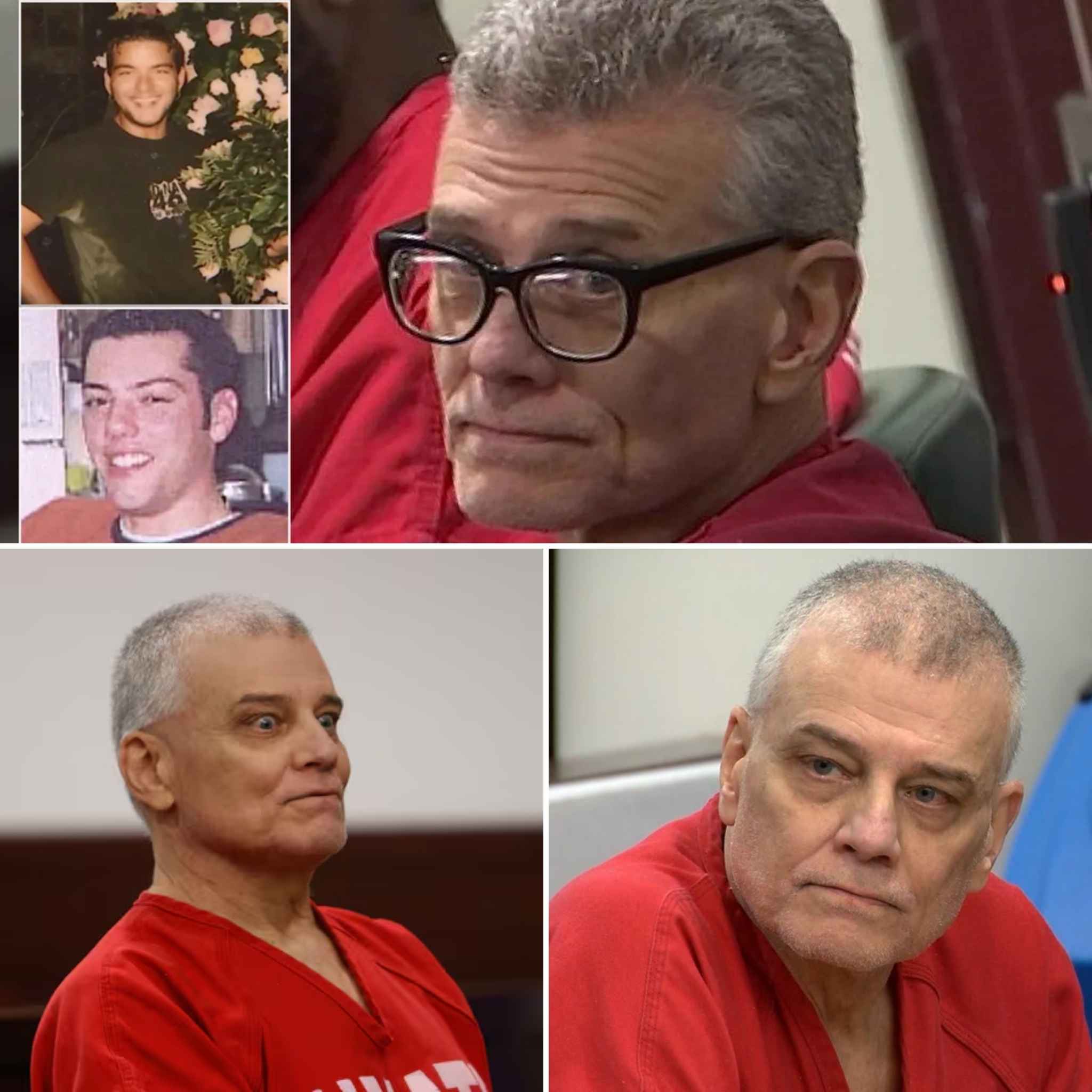
For years, the case shocked investigators, prosecutors, and the public because of the extreme brutality involved. Authorities described a pattern of predatory behavior in which victims were lured into situations where they became vulnerable to drugging and violence. What followed, prosecutors argued, was a horrifying sequence of crimes that devastated families and left lasting scars on communities throughout Florida.
As execution day approached, attention shifted from courtroom proceedings and appeals to Lorenzo’s final hours on death row. News reports focused on his last visitors, final meal, final statement, and the culmination of a case that had remained in the public eye for decades.
For some, the execution represented long-awaited justice for victims whose lives were taken in unimaginable circumstances. For others, it reignited broader debates about capital punishment and whether any execution can truly compensate for the suffering left behind.
Crimes That Shocked Florida
The investigation into Steven Lorenzo revealed crimes that many law enforcement officials described as among the most disturbing they had ever encountered.
According to prosecutors, Lorenzo targeted vulnerable victims and used drugs to incapacitate them before committing violent acts. Authorities alleged that several victims were lured through social interactions before finding themselves trapped in situations that quickly turned deadly.
The allegations attracted widespread attention because of both the cruelty involved and the calculated nature of the crimes.
Investigators eventually uncovered evidence suggesting a pattern rather than isolated incidents.
As more details emerged, public outrage grew.
Families desperately searched for answers about what had happened to their loved ones. Detectives worked to piece together timelines, identify victims, and gather evidence capable of supporting criminal charges.
The investigation soon became one of the most significant homicide cases in Florida’s recent history.
The Victims
At the center of the case were the victims whose lives were cut short by violence.
Friends and relatives remembered them as sons, brothers, friends, coworkers, and loved ones whose futures were stolen.
For families, the criminal proceedings were never simply about legal arguments or media coverage.
They were about loss.
Every court hearing, appeal, and news story served as a reminder of the people they had lost.
Victims’ advocates frequently emphasize that high-profile murder cases should not become solely focused on offenders.
The lives of victims matter.
Their stories matter.
And the pain experienced by surviving family members often continues long after the legal process ends.
In the Lorenzo case, that reality remained central throughout the proceedings.
The Investigation and Arrest
As investigators collected evidence, suspicion increasingly focused on Lorenzo.
Law enforcement agencies devoted substantial resources to understanding the full scope of the crimes and determining exactly what had happened.
Witness statements, forensic evidence, digital records, and investigative findings helped prosecutors build their case.
Authorities eventually concluded that Lorenzo was responsible for multiple murders involving particularly aggravating circumstances.
The allegations shocked communities throughout Florida.
News coverage intensified as details became public.
The case quickly developed into one of the state’s most closely watched criminal prosecutions.
When Lorenzo was arrested and formally charged, many observers viewed the development as an important step toward accountability.
Yet investigators still faced the difficult task of presenting a compelling case capable of securing convictions.
The Trial
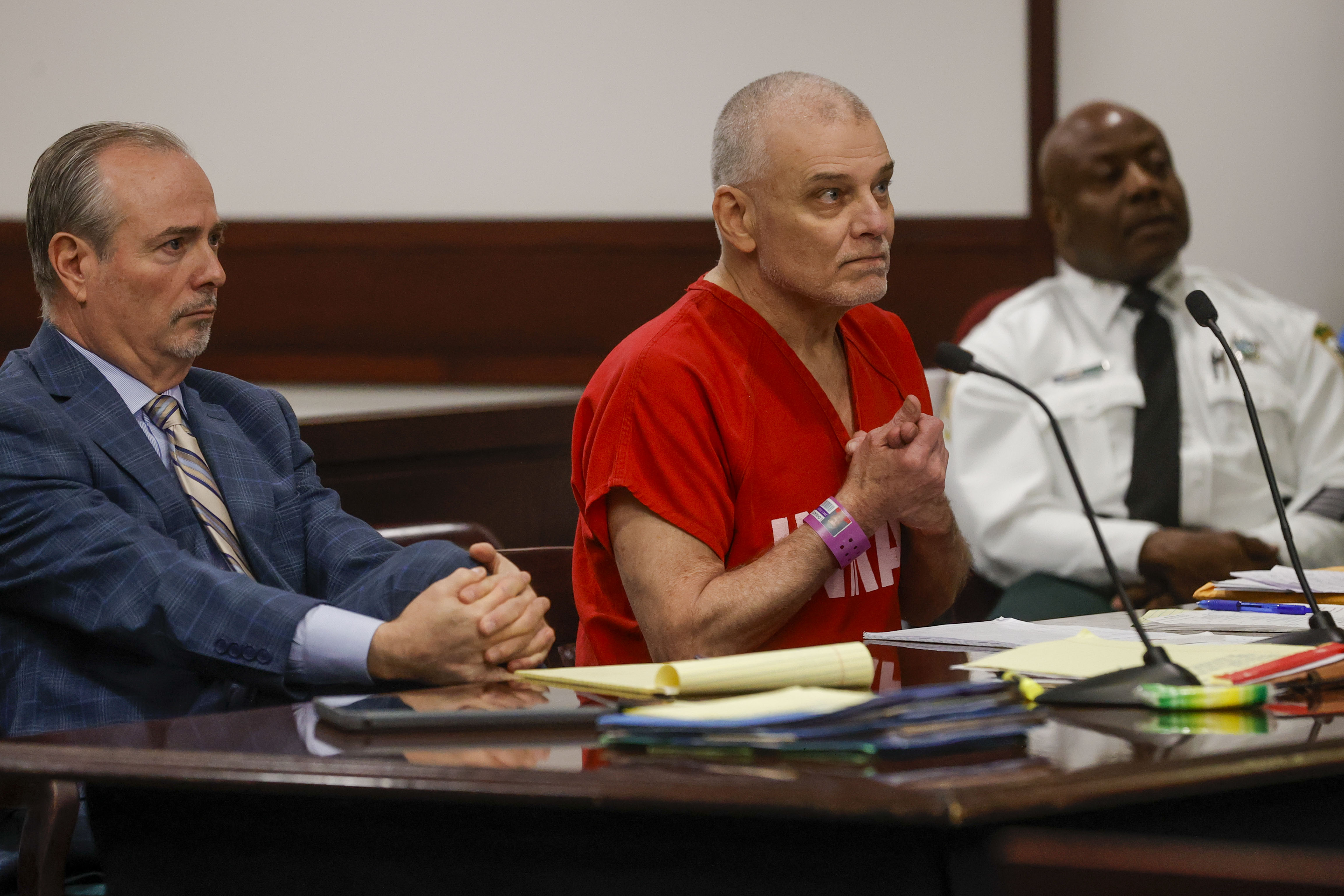
During trial proceedings, prosecutors presented evidence outlining what they described as a calculated pattern of predatory behavior.
They argued that Lorenzo deliberately targeted victims, rendered them vulnerable through drugging, and then committed acts of extreme violence.
The prosecution emphasized both the severity of the crimes and the devastating impact on victims’ families.
Witnesses, investigators, forensic experts, and other individuals testified regarding evidence collected throughout the investigation.
Defense attorneys challenged aspects of the prosecution’s case and sought to protect their client’s legal rights.
As with all criminal trials, jurors were tasked with determining whether prosecutors had established guilt beyond a reasonable doubt.
After reviewing the evidence, jurors found Lorenzo guilty.
The verdict represented a major victory for prosecutors and a significant moment for families who had waited years for justice.
However, the legal process was not yet complete.
The court would still determine punishment.
Why Prosecutors Sought the Death Penalty
Florida law permits capital punishment in cases involving particularly severe aggravating circumstances.
Prosecutors argued that Lorenzo’s crimes fell squarely within that category.
The allegations involved multiple victims, extreme violence, and circumstances prosecutors described as especially heinous.
Supporters of the death sentence believed the crimes justified the maximum punishment available under law.
They argued that certain acts are so severe that society is justified in imposing the ultimate penalty.
Others disagreed.
Opponents of capital punishment maintained that life imprisonment without parole can provide accountability without requiring execution.
These competing perspectives reflected broader national debates surrounding the death penalty.
Nevertheless, the courts ultimately imposed a death sentence.
The decision ensured that the case would continue through years of appeals and legal review.
Decades on Death Row
Like many capital cases, Lorenzo’s legal proceedings extended for years after his conviction.
Death penalty appeals are designed to provide extensive review because execution is irreversible.
Attorneys filed numerous motions and appeals challenging various aspects of the conviction and sentence.
Courts reviewed legal claims involving procedural issues, constitutional arguments, and other matters.
Throughout this process, victims’ families often found themselves revisiting painful memories.
Many relatives of homicide victims describe lengthy appeals as emotionally exhausting.
Supporters of extensive appellate review counter that careful examination is essential in death penalty cases.
Regardless of perspective, the process frequently takes years or even decades.
Lorenzo remained on death row while courts continued evaluating legal challenges.
Eventually, those challenges were exhausted.
The execution date moved forward.

Steven Lorenzo’s Final Hours
As execution day approached, public attention shifted toward Lorenzo’s final hours.
This stage of a death penalty case often generates intense media interest because it represents the conclusion of a legal process that may have lasted decades.
Reports focused on matters such as final visits, religious counseling, final meal requests, and preparations carried out by prison officials.
Observers also followed information regarding Lorenzo’s final statement.
Such moments often attract public attention because they provide one last glimpse into a case that has dominated headlines for years.
For some people, final statements offer insight into whether an inmate expresses remorse or accepts responsibility.
Others view them as largely symbolic, believing that nothing said in the final moments can undo the harm caused by violent crimes.
Regardless of interpretation, Lorenzo’s final hours became part of the historical record surrounding the case.
The Execution
Florida ultimately carried out Lorenzo’s execution after courts declined to halt the sentence.
The event marked the official end of one of the state’s most notorious murder cases.
For many family members and supporters of the sentence, the execution represented the completion of a lengthy legal process.
Years of investigations, trials, appeals, and court rulings had finally reached their conclusion.
Some described the outcome as justice.
Others acknowledged that while accountability had been achieved, no legal proceeding could restore the lives that were lost.
The execution reignited public discussions about the purpose of capital punishment and whether executions provide meaningful benefits beyond punishment itself.
These debates remain deeply divisive across the United States.
The Lasting Impact on Families
While legal proceedings eventually end, the consequences of violent crime often last forever.
Families of victims continue living with grief long after headlines disappear.
Birthdays, holidays, anniversaries, and family milestones serve as reminders of loved ones who are no longer present.
Victims’ advocates frequently emphasize that closure is not a single moment.
For some families, a conviction provides comfort.
For others, even an execution cannot eliminate the pain associated with losing someone they loved.
Each family’s experience is unique.
What remains consistent is the reality that homicide leaves lasting emotional consequences that no court ruling can fully erase.
The Debate Over Capital Punishment
The Lorenzo case also highlights broader questions surrounding the death penalty.
Supporters argue that execution remains appropriate for crimes involving extraordinary brutality and multiple victims.
They believe society has a legitimate interest in imposing the harshest punishment available in the most serious cases.
Opponents disagree.
Many argue that life imprisonment without parole can provide accountability while avoiding execution.
Others raise ethical, financial, and constitutional concerns regarding capital punishment.
These debates continue nationwide.
Cases involving particularly shocking crimes often intensify disagreements because emotions run especially high.
The Lorenzo case became another example frequently cited by both supporters and critics of the death penalty.

Conclusion
The execution of Steven Lorenzo closed one of Florida’s most disturbing criminal cases, ending a legal battle that lasted more than two decades. Convicted of drugging, murdering, and dismembering victims in crimes that shocked the state, Lorenzo spent years on death row before Florida ultimately carried out his sentence.
For supporters of the execution, the outcome represented long-awaited justice for victims and their families.
For critics, it renewed difficult questions about whether capital punishment remains the appropriate response even in the most horrific cases.
What cannot be disputed is the devastating impact of the crimes.
Lives were lost.
Families were forever changed.
Communities were shaken.
And a case defined by extraordinary violence became part of Florida’s criminal justice history.
Even after the execution, the memory of the victims remains at the center of the story—a reminder of the human cost behind one of the state’s most notorious murder cases.
👉 Do you believe executions in cases involving multiple murders bring justice to victims’ families, or is true closure something the legal system can never fully provide?