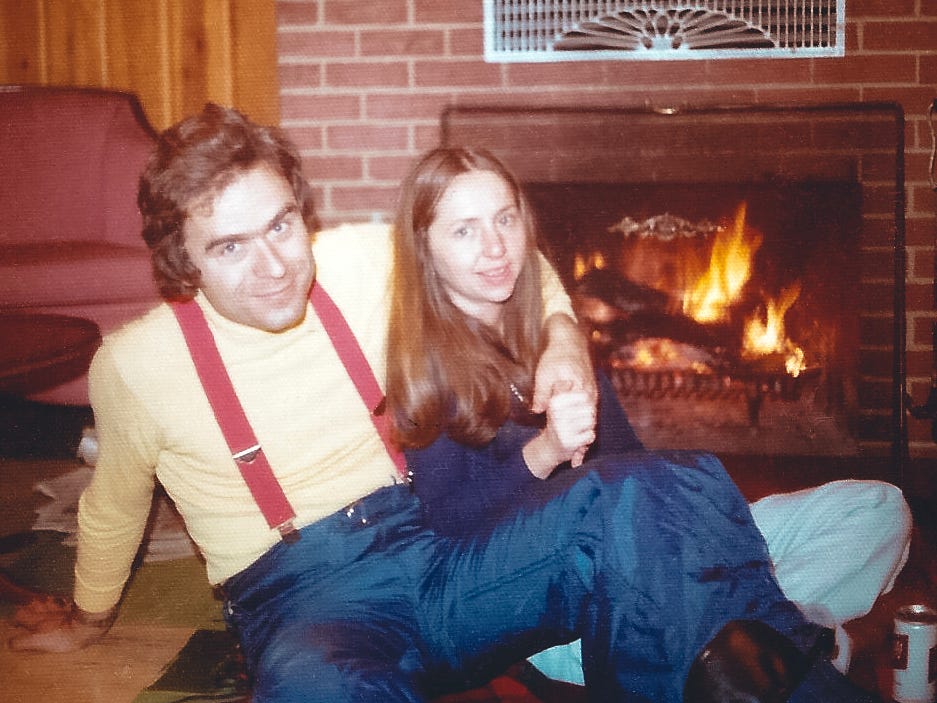
 Ted Bundy remains one of the most infamous serial killers in American history, known for a series of murders committed across multiple states during the 1970s. After years of investigation and multiple escapes from custody, Bundy was ultimately convicted and sentenced to death in Florida, where he spent his final years on death row before his execution in 1989.
Bundy’s crimes spanned several years and multiple jurisdictions, involving the abduction and murder of young women. His case drew national attention not only because of the brutality of the crimes, but also because of his intelligence, charisma, and ability to evade law enforcement for an extended period.
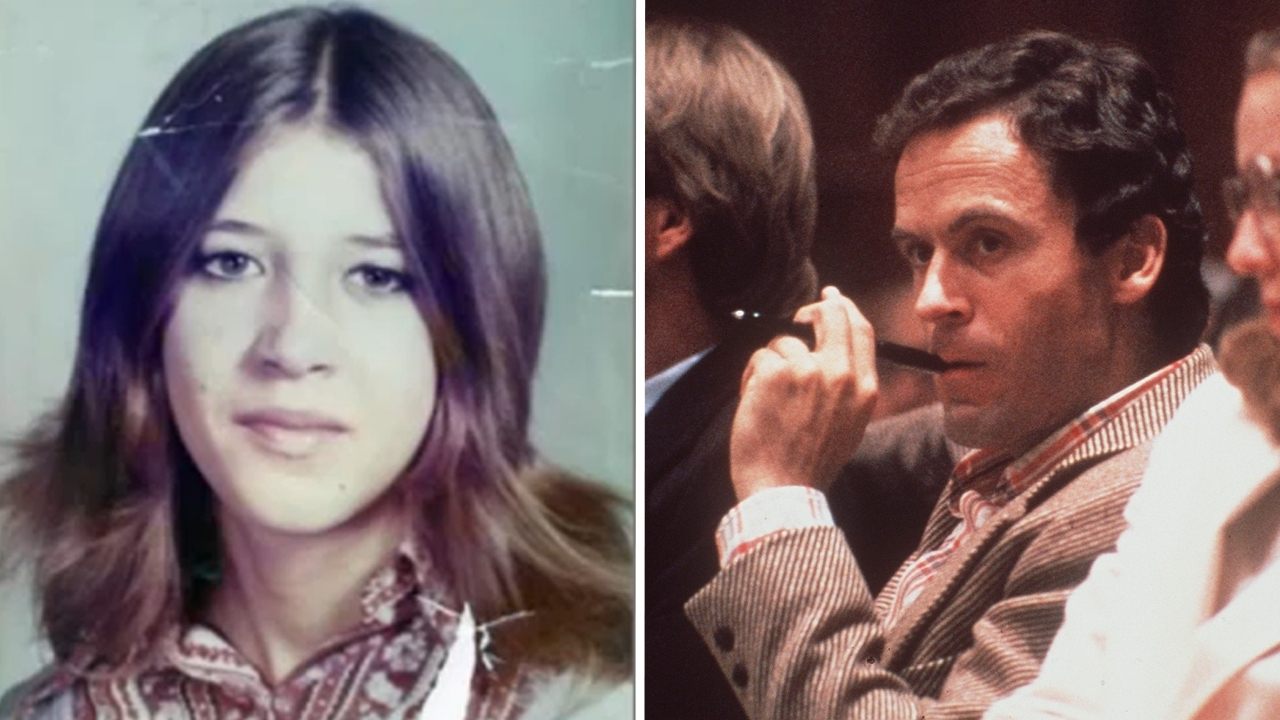 After his final arrest in 1978, Bundy faced multiple trials in different states. He was ultimately convicted in Florida for the 1978 murders of two Chi Omega sorority members and the killing of a 12-year-old girl, Kimberly Leach. These convictions led to multiple death sentences.
Following sentencing, Bundy was housed on Florida’s death row at Union Correctional Institution. Like other inmates awaiting execution, he lived under strict security conditions. Daily life on death row was heavily controlled, with limited movement, restricted communication, and constant supervision by correctional staff.
Bundy spent years filing appeals and attempting to delay his execution through the legal system. His case moved through state and federal courts, drawing widespread media attention throughout the 1980s as his execution date approached.
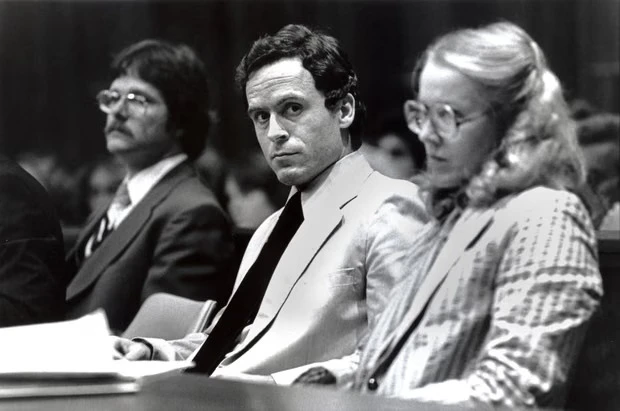 During his time in prison, Bundy also engaged in extensive communications with law enforcement and journalists. He provided limited information about other potential victims in exchange for delays in execution, a strategy that became part of broader discussions about his psychological behavior and manipulation tactics.
As his final appeals were exhausted, Bundy’s execution was scheduled for January 24, 1989. In his last hours, he received visits from legal counsel and spiritual advisors, while outside the prison, crowds gathered to witness the conclusion of one of the most widely publicized criminal cases in American history.
Bundy was executed in the electric chair at Florida State Prison. His death marked the end of a case that had dominated national attention for more than a decade.
Today, Ted Bundy’s prison life is often discussed not because of conditions inside death row alone, but because of the broader legacy of his crimes and the impact they had on law enforcement practices, media coverage of criminal cases, and public awareness of serial offenders.
The case continues to be studied in criminal psychology, law enforcement training, and true crime research, serving as one of the most influential examples of serial murder investigation in the United States.