On December 30, 2006, former Iraqi president Saddam Hussein was executed by hanging in Baghdad, bringing a dramatic and controversial end to one of the most powerful and feared political figures in modern Middle Eastern history.
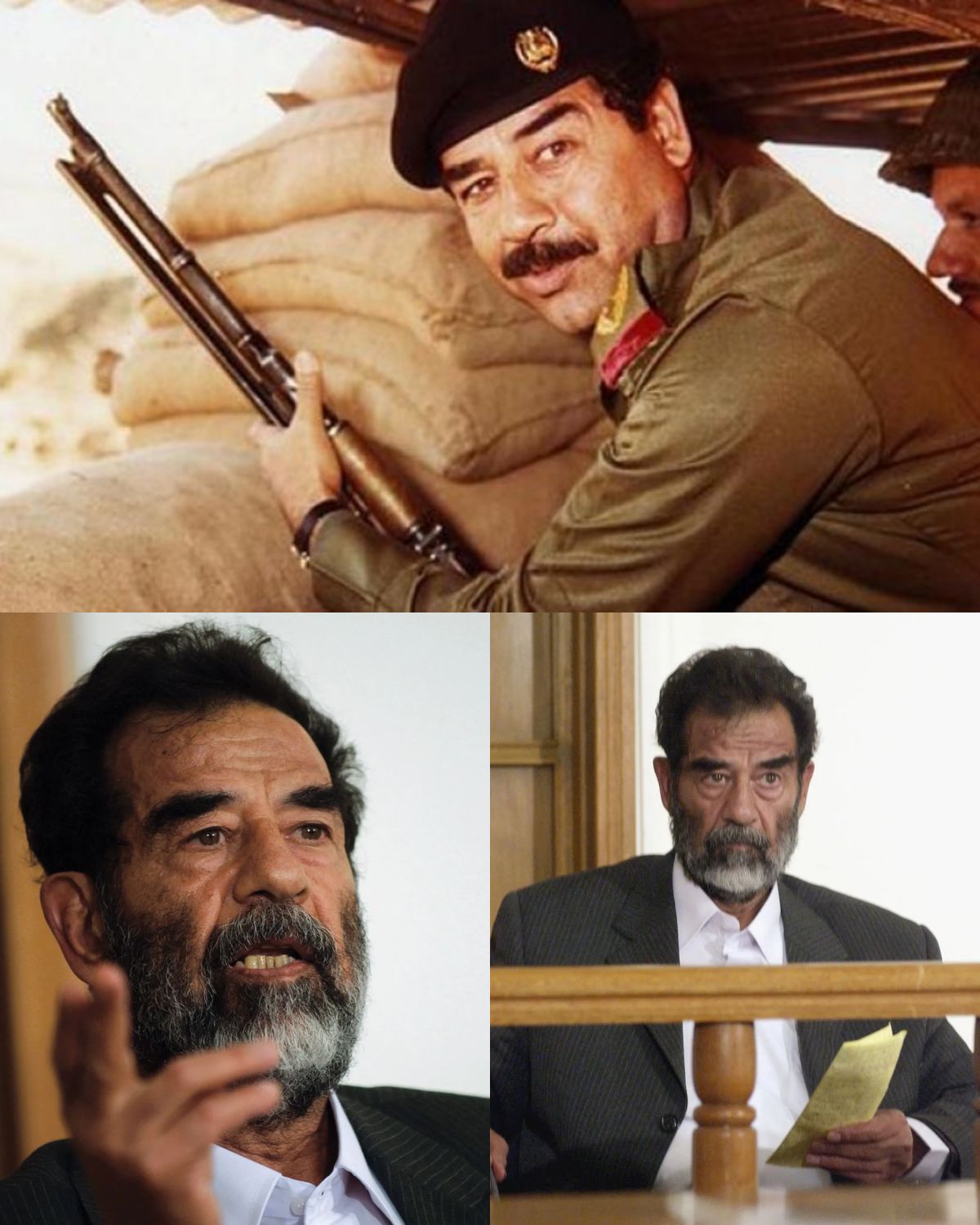
His final hours unfolded under tight security at an Iraqi military facility, as officials prepared to carry out a sentence that had been handed down after his conviction for crimes against humanity linked to the 1982 killings in Dujail.
A Final Night Under Guard
Reports from officials and witnesses describe Saddam spending his last night in custody under heavy supervision, with limited contact and strict control over communications. Despite the gravity of the moment, accounts suggest he remained composed as the execution approached.
He reportedly met with religious advisors and members of his legal team during his final hours. Conversations focused on faith, legacy, and the events that had led to his downfall following the 2003 U.S.-led invasion of Iraq.
The Execution Scene
The execution took place at an Iraqi military installation in Baghdad. According to official accounts, Saddam was brought to the gallows early in the morning, surrounded by Iraqi officials.
Witnesses described a tense and highly charged atmosphere, reflecting the deep divisions in Iraq following years of conflict and regime change. Video recordings later leaked online sparked global controversy over the conduct and tone of the execution, further fueling debate about justice and political revenge.
Final Words and Reactions
In his final moments, Saddam Hussein reportedly recited declarations of faith before the execution was carried out. His last words, focused on religious expression and defiance, quickly spread worldwide after the footage became public.
Reactions to his execution were sharply divided. Many in Iraq viewed it as long-awaited justice for victims of his regime, while others criticized the process, arguing it reflected ongoing instability and sectarian tension in the country.
A Legacy That Still Divides the World
Even after his death, Saddam Hussein remains a deeply polarizing figure. To some, he is remembered as a dictator responsible for repression and mass violence. To others, his execution symbolizes the chaotic aftermath of war and foreign intervention in Iraq.
More than a decade later, the images of his final hours continue to circulate, serving as a reminder of a moment that marked the end of an era—and the beginning of another turbulent chapter in Iraq’s history.