Thomas Eugene Creech, one of the longest-serving inmates on death row in the United States, remained alive Wednesday after Idaho authorities were forced to stop an attempted execution when medical staff failed to establish a usable IV line.
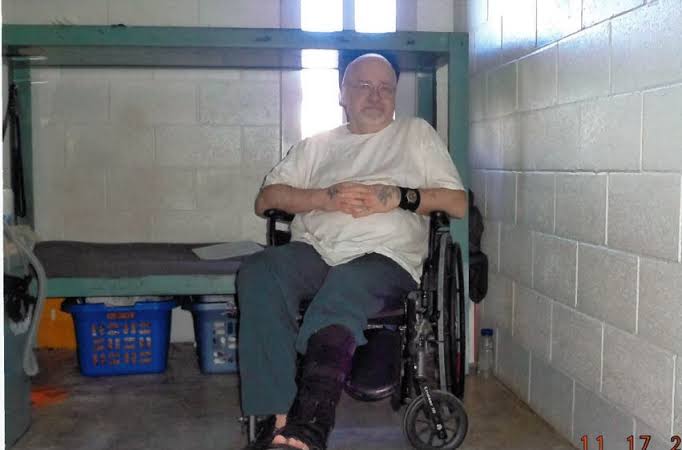
The Idaho Department of Correction confirmed that multiple attempts were made to insert intravenous access in both arms and legs, but the medical team was ultimately unable to proceed with the lethal injection procedure. As a result, officials said the execution could not continue and the death warrant would expire, leaving the state to determine its next steps.
The U.S. Supreme Court had earlier in the day rejected several emergency appeals from Creech seeking to halt the execution. With no legal intervention granted, the procedure was cleared to move forward—marking what would have been Idaho’s first execution in over a decade.
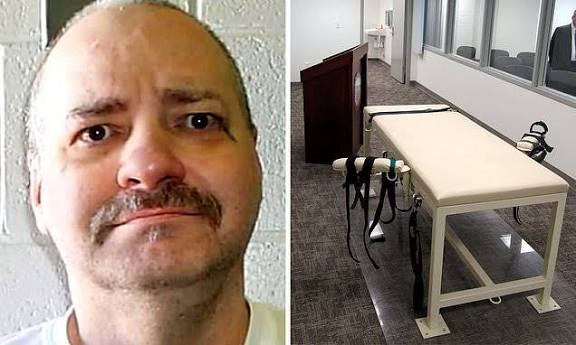
However, the situation collapsed during the medical phase of the process.
Creech’s legal team later criticized the execution attempt, arguing that state officials struggled through repeated IV insertion attempts in what they described as an opaque and poorly managed procedure. They also questioned the state’s handling of lethal injection protocols and the sourcing of execution drugs, raising broader concerns about transparency in capital punishment cases.
Creech, now in his 70s, has spent nearly half a century in Idaho’s prison system. He was convicted of multiple murders across several states, including the 1981 killing of fellow inmate David Jensen using a sock filled with batteries. Over the years, prosecutors have linked him to additional killings based on court records and testimony, though not all alleged cases resulted in separate convictions.
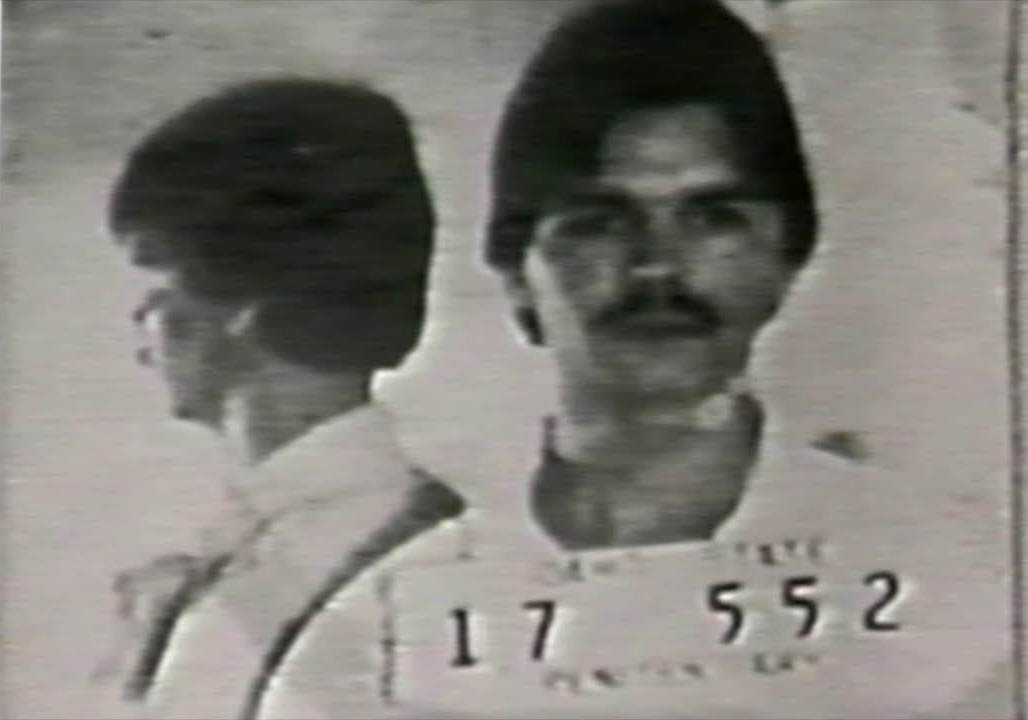
During earlier legal proceedings, prosecutors argued that Creech represented an ongoing threat due to his history of extreme violence. His defense, meanwhile, has pointed to his advanced age, long incarceration, and conduct in prison as factors that should be considered in appeals for clemency.
The case also drew attention to Idaho’s limited modern history with capital punishment. According to the Death Penalty Information Center, the state has carried out only a small number of executions since the death penalty was reinstated in 1976.

Following Wednesday’s failed attempt, Creech remains on death row as Idaho officials review how to proceed after the unusual breakdown in the execution process.