When people think of the golden age of Hollywood musicals, one film immediately stands above the rest: Singin’ in the Rain.

A dazzling blend of music, dance, comedy, and pure cinematic joy, it remains one of the most celebrated movies ever made. At the heart of its success were three unforgettable performers—Gene Kelly, Donald O’Connor, and Debbie Reynolds—whose energy and talent helped define an entire era of filmmaking.
But behind the effortless charm and iconic dance numbers was a reality far more demanding than audiences ever realized.
Long hours, exhausting rehearsals, and the intense pressure of studio-era Hollywood pushed every performer to their limits. For a young Debbie Reynolds, in particular, the experience was famously grueling. She was not originally a trained dancer, and much of what she achieved on screen came through relentless practice, determination, and sheer resilience.
Donald O’Connor, years later, often reflected on just how extraordinary that effort truly was.

According to O’Connor, what audiences saw as lighthearted, joyful performance was actually the result of immense discipline behind the scenes. Every step, every movement, and every musical cue required precision that left little room for error.
In his reflections, O’Connor consistently praised Debbie Reynolds not just for her talent, but for her toughness. He described her as someone who refused to give up, even when the physical demands of filming became overwhelming. There were moments during production when exhaustion set in, but Reynolds pushed through with a determination that earned the respect of the entire cast and crew.
Over time, their working relationship became a symbol of what classic Hollywood often required: not just natural talent, but endurance under pressure.
While modern audiences sometimes imagine old Hollywood as glamorous and effortless, the reality was often very different. Studios operated on strict schedules, repeated takes were common, and performers were expected to deliver perfection regardless of fatigue or difficulty.
In that environment, bonds formed between actors were often based on shared struggle rather than celebrity glamour.
O’Connor and Reynolds were no exception.
What emerged from their collaboration was not a manufactured Hollywood romance, but a professional connection built on mutual respect and admiration. Each understood the demands the other was facing, and each played a role in bringing one of the most beloved musicals in history to life.
Over the years, Donald O’Connor spoke warmly about Debbie Reynolds, especially when reflecting on her legacy. He often emphasized that her performance in Singin’ in the Rain was far more impressive than many people realized at the time, given how new she was to such physically demanding work.
For Reynolds, the experience became a defining moment in her career, proving that she could stand alongside some of the greatest performers in film history.
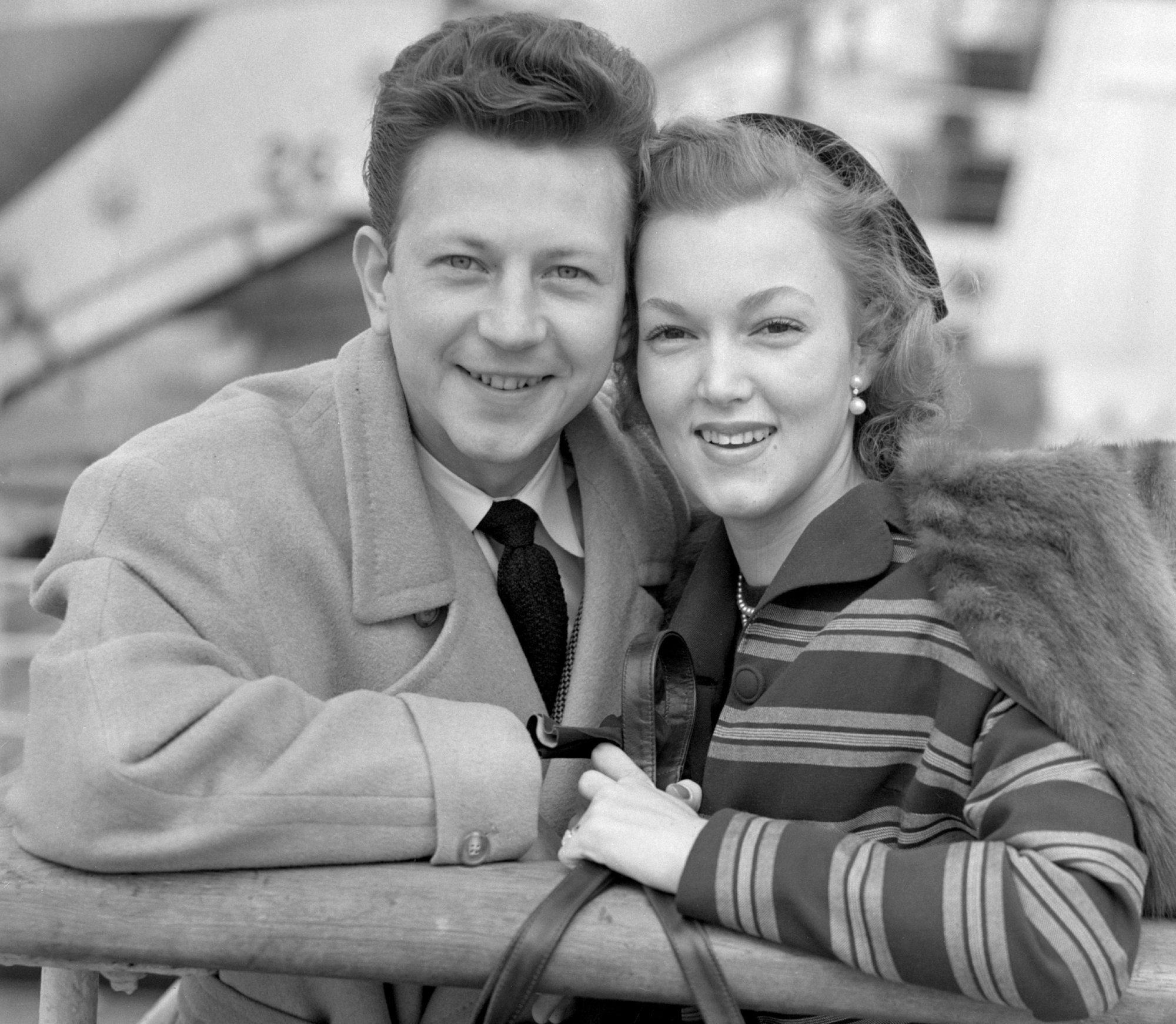
And for O’Connor, it remained a reminder of what true professionalism looks like in the entertainment industry.
Today, Singin’ in the Rain continues to be celebrated across generations, not just for its unforgettable songs and choreography, but for the human effort behind it.
Every smile on screen carries the weight of hours of rehearsal.
Every dance step reflects discipline and persistence.
And every scene stands as a testament to what O’Connor and Reynolds achieved together under extraordinary pressure.
Looking back, their story is not one of rumor or hidden drama, but of craftsmanship and resilience.
A reminder that some of Hollywood’s greatest magic is built not on ease—but on effort that audiences will never fully see.
And that is exactly why Singin’ in the Rain continues to shine as one of cinema’s most timeless masterpieces.