TEXAS DEATH ROW CASE: The Linda Carty Murder That Still Divides Opinion
The case of Linda Carty remains one of the most controversial death penalty cases in Texas history. Convicted for the 2001 kidnapping and murder of 20-year-old Joana Rodriguez, Carty has spent years on death row while continuing to maintain her innocence, sparking international attention and ongoing debate over her role in the crime.

Born in St. Kitts and later residing in the United States, Carty was a former teacher whose life took a dramatic turn when she was accused of orchestrating a kidnapping plot that ended in the death of a young mother. The case became even more controversial due to conflicting testimony, disputed evidence, and allegations raised by her defense team suggesting she was unfairly blamed.
Even decades later, the case continues to divide public opinion, with supporters of the conviction pointing to the brutality of the crime, while critics argue that the investigation and trial left unanswered questions.
THE CRIME THAT SHOCKED TEXAS
In 2001, 20-year-old Joana Rodriguez was abducted in a case that investigators later described as a carefully planned kidnapping.
Prosecutors alleged that Linda Carty was the mastermind behind the plot. According to the state’s case, the motive was to steal Rodriguez’s newborn baby and raise the child as her own.
Authorities said Rodriguez was taken and later found inside the trunk of a car, where she had suffocated after being restrained with a plastic bag.
The discovery of the victim and the circumstances of her death triggered a major investigation across Texas, with law enforcement quickly focusing on Carty and several alleged accomplices.
The case became one of the most disturbing kidnapping-murder prosecutions in the state due to its combination of abduction, deception, and the involvement of a newborn child.
INVESTIGATION AND ARREST
As investigators gathered evidence, prosecutors argued that Carty played a central role in organizing the kidnapping.
The case relied heavily on testimony from alleged accomplices and circumstantial evidence connecting her to the planning and execution of the crime.
Authorities claimed the plot was designed to separate Rodriguez from her child so the infant could be taken and raised elsewhere.
Carty was arrested and charged with capital murder.
From the beginning, she denied involvement in the killing and insisted she was not the mastermind behind the crime.
Her defense team argued that she was being wrongly blamed and pointed to inconsistencies in witness statements.
THE TRIAL AND CAPITAL MURDER CONVICTION
During the trial, prosecutors presented their theory that Linda Carty orchestrated the kidnapping that led to Rodriguez’s death.
They argued that the evidence showed planning, coordination, and intent to take the newborn child.
Key testimony came from individuals who said they were involved in or aware of the kidnapping plot, which the prosecution used to build its case.
The defense, however, challenged the credibility of these witnesses and argued that Carty’s role had been exaggerated or misrepresented.
They also raised concerns about investigative procedures and the reliability of testimony used to convict her.
Despite these arguments, the jury found Carty guilty of capital murder.
She was sentenced to death, placing her on Texas death row, where she has remained for years.
CLAIMS, CONTROVERSY, AND INTERNATIONAL ATTENTION
The Linda Carty case drew additional attention due to her dual cultural and international connections.
Carty, originally from St. Kitts and having ties to the United Kingdom through residency and advocacy efforts on her behalf, became the subject of diplomatic interest, with some supporters arguing her case warranted further review.
Her defense has repeatedly maintained that she did not receive a fair trial and that key evidence was misinterpreted.
One of the most debated aspects of the case involves claims that she was previously a confidential informant for law enforcement, which her defense has cited in arguing that she was targeted or misunderstood. Prosecutors, however, have rejected claims that such factors change the outcome of the evidence presented at trial.
Over time, the case has become a focal point in discussions about death penalty fairness, witness credibility, and the complexity of capital murder prosecutions.
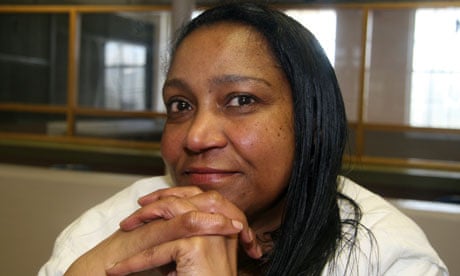
YEARS ON DEATH ROW AND FAILED APPEALS
Like many capital cases in the United States, Carty’s conviction did not immediately lead to execution.
Her legal team pursued multiple appeals, raising constitutional and procedural arguments in state and federal courts.
These appeals focused on issues such as witness reliability, trial procedures, and the interpretation of evidence presented during her trial.
However, the conviction and sentence have remained upheld through the legal system.
For victims’ advocates and supporters of the verdict, the case represents accountability for a violent crime involving the death of a young mother.
For critics, it remains a troubling example of a death penalty case they believe deserves further scrutiny.
THE VICTIM: JOANA RODRIGUEZ
At the center of the case is Joana Rodriguez, a 20-year-old mother whose life was cut short during the kidnapping.
Her death devastated her family and left a lasting impact on those who knew her.
The circumstances of the crime—particularly the involvement of her newborn child—added a deeply emotional dimension to the case that continues to resonate decades later.
For Rodriguez’s family, the legal proceedings have represented years of grief, revisited repeatedly through appeals and media coverage.
Regardless of the legal arguments surrounding the case, the loss of her life remains the central tragedy.
A CASE THAT STILL DIVIDES OPINION
The Linda Carty case continues to generate debate more than two decades after the crime.
Supporters of the conviction argue that the evidence presented at trial supports the jury’s decision and reflects a serious and deliberate act of violence.
Opponents argue that the case highlights concerns about witness testimony, legal fairness, and the irreversible nature of capital punishment.
Because of these conflicting views, Carty’s case has remained part of broader discussions about the death penalty in the United States and internationally.
CONCLUSION
The case of Linda Carty stands as one of the most controversial capital murder convictions in Texas. Found guilty of the 2001 kidnapping and murder of Joana Rodriguez, she remains on death row while continuing to deny responsibility for the crime.
For some, the case represents justice for a brutal killing that destroyed a young mother’s life.
For others, it raises enduring questions about fairness, evidence, and whether the death penalty system always reaches the correct conclusion.
More than twenty years later, the case remains unresolved in public opinion, even if it has been legally concluded.
⚖️ Should death penalty convictions based heavily on witness testimony be reconsidered more frequently—or does the final jury verdict represent the ultimate form of justice?