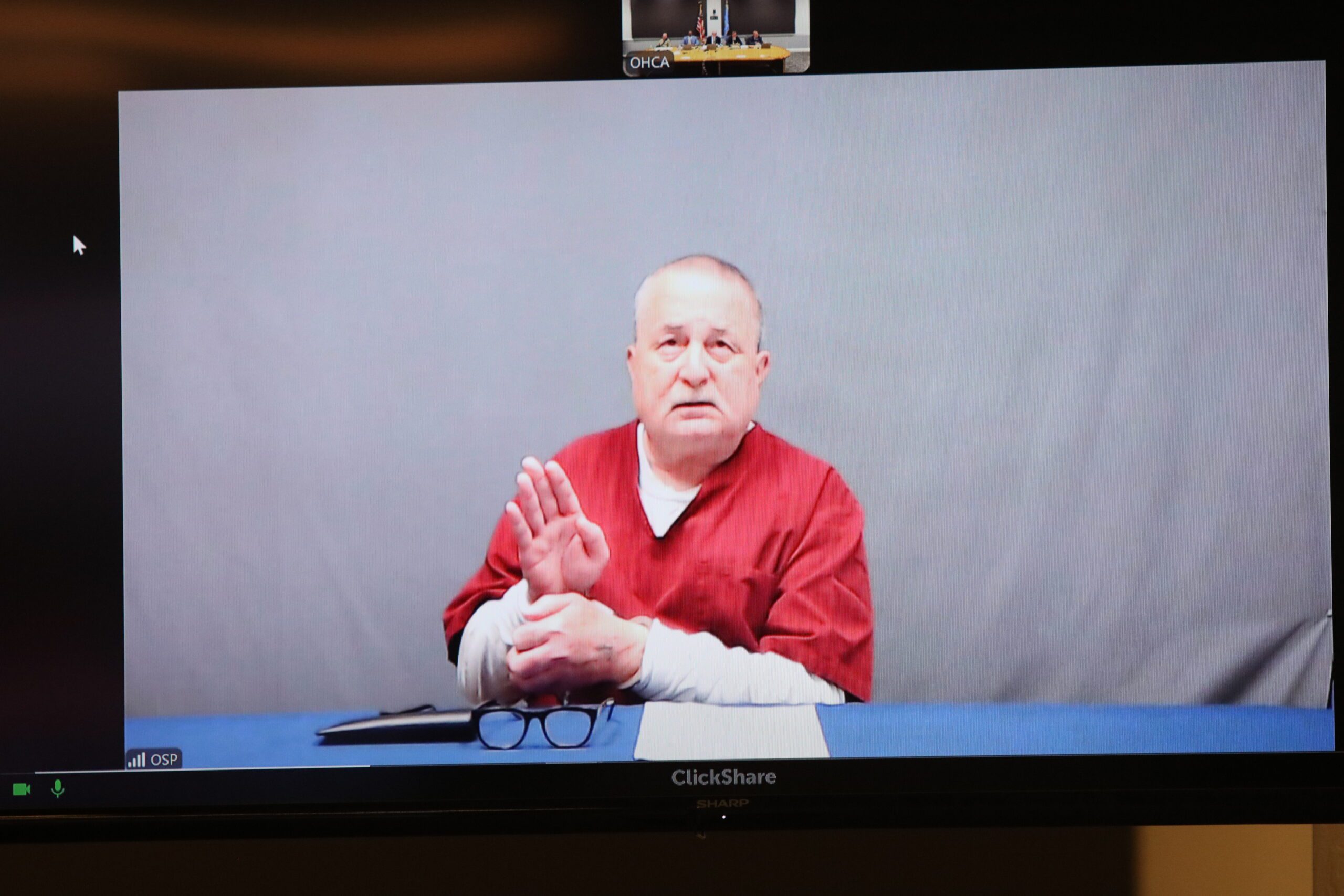
On June 27, 2024, Richard Norman Rojem Jr. was executed by lethal injection at the Oklahoma State Penitentiary, bringing an end to a death penalty case that had spanned nearly 39 years—one of the longest periods of incarceration on death row in Oklahoma history.
Rojem was convicted in connection with the 1984 kidnapping, sexual assault, and murder of 7-year-old Layla Dawn Cummings. The case shocked the community at the time and later became one of the most closely examined capital punishment cases in the state due to its lengthy appeals process and ongoing legal disputes over evidence.
 Following his conviction, Rojem was sentenced to death. Over the decades that followed, his case moved repeatedly through state and federal courts. His legal team filed multiple appeals challenging aspects of the trial, sentencing, and the handling of forensic evidence. At various points, courts ordered reviews and reconsiderations of specific legal issues, contributing to the unusually long duration between conviction and execution.
One of the central points raised during the appeals process involved DNA evidence. Defense attorneys argued that later scientific testing and interpretation raised questions about aspects of the original forensic conclusions presented at trial. Prosecutors, however, maintained that the overall body of evidence supporting the conviction remained strong and sufficient to uphold the verdict.
Despite repeated legal challenges, courts ultimately upheld the conviction and death sentence. As the execution date approached, clemency efforts were also pursued but were denied, allowing the process to move forward.
On the day of the execution, Rojem was carried out by lethal injection at the Oklahoma State Penitentiary. His final hours followed standard protocols for capital punishment cases, including final legal visits and the opportunity to deliver last words before the sentence was carried out.
 The case has remained controversial for decades, not only because of the nature of the crime but also due to the extraordinary length of time Rojem spent on death row. At nearly 39 years, his incarceration represented one of the longest death row stays in Oklahoma history, raising broader discussions about delays in capital punishment cases and the appeals process in the United States.
 Supporters of the sentence argued that the execution represented long-awaited justice following a severe crime against a child and that the judicial system had thoroughly reviewed the case over many years. Critics, meanwhile, pointed to the length of time on death row and ongoing debates about forensic interpretation and fairness in capital cases.
Today, the Richard Norman Rojem Jr. case remains part of broader discussions about capital punishment, forensic evidence, and the extended timelines that often define death penalty cases in the United States.