Florida has moved forward with setting an execution date for Markeith Loyd, the man convicted in the killing of an Orlando police officer, bringing renewed attention to one of the state’s most high-profile and controversial criminal cases.
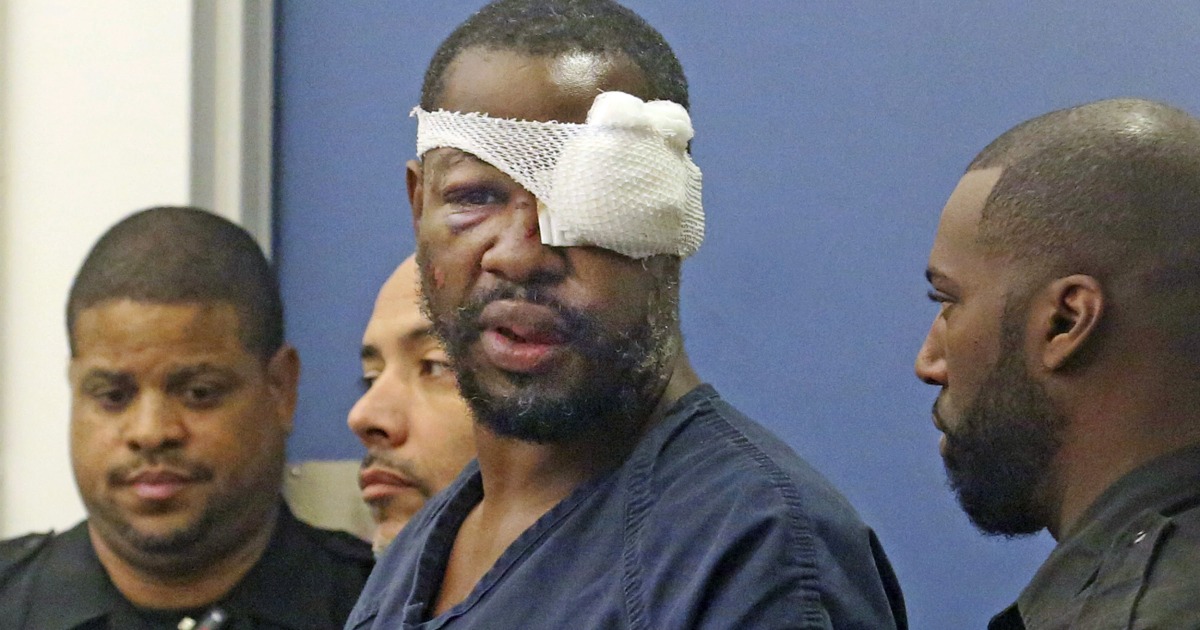
Loyd was already serving a life sentence for prior offenses when he was charged in connection with the death of Orlando Police Lt. Debra Clayton. The case sparked a large-scale manhunt across Central Florida and drew intense media coverage as law enforcement agencies searched for the suspect accused of killing a veteran officer in the line of duty.
According to court records and investigative reports, the killing of Lt. Clayton deeply impacted the Orlando Police Department and led to widespread public outrage, with officials and community members calling for accountability and justice following the incident.

The case became one of the most closely followed criminal proceedings in Florida in recent years due to the status of the victim as a law enforcement officer and the violent circumstances surrounding the crime.
In addition to the murder charge, the case has been surrounded by broader controversy, including reported tensions and disputes within law enforcement leadership during the investigation and aftermath. These issues added further complexity to an already highly sensitive and emotionally charged case.
Following trial proceedings, Loyd was convicted, and the legal process eventually led to the state moving forward with formal execution scheduling. As with all capital punishment cases, additional appeals and legal challenges may still be filed before any execution is carried out.

The case continues to draw public attention due to its impact on law enforcement, the intensity of the manhunt that followed the crime, and its place within Florida’s broader use of the death penalty.
As the execution date approaches, the case once again becomes a focal point in discussions about justice, policing, and capital punishment in the state.