Flavius Josephus, a first-century Jewish historian, wrote Antiquities of the Jews around 93–94 AD, which includes a short passage known as the Testimonium Flavianum referring to Jesus. In its surviving form, the text describes Jesus as a wise teacher, a performer of “surprising deeds,” and mentions his crucifixion under Pontius Pilate, as well as reports of his followers continuing after his death.

However, most historians agree that the passage was likely modified by later Christian scribes, since parts of the wording appear more explicitly Christian than what Josephus, a non-Christian Jewish writer, would have originally written. Some phrases are considered additions, while other elements may reflect an authentic reference to Jesus.
Despite these textual debates, there is broad scholarly agreement that Josephus did make at least a brief reference to Jesus and James (the brother of Jesus) in his writings, making him one of the important non-Christian sources mentioning early Christianity.
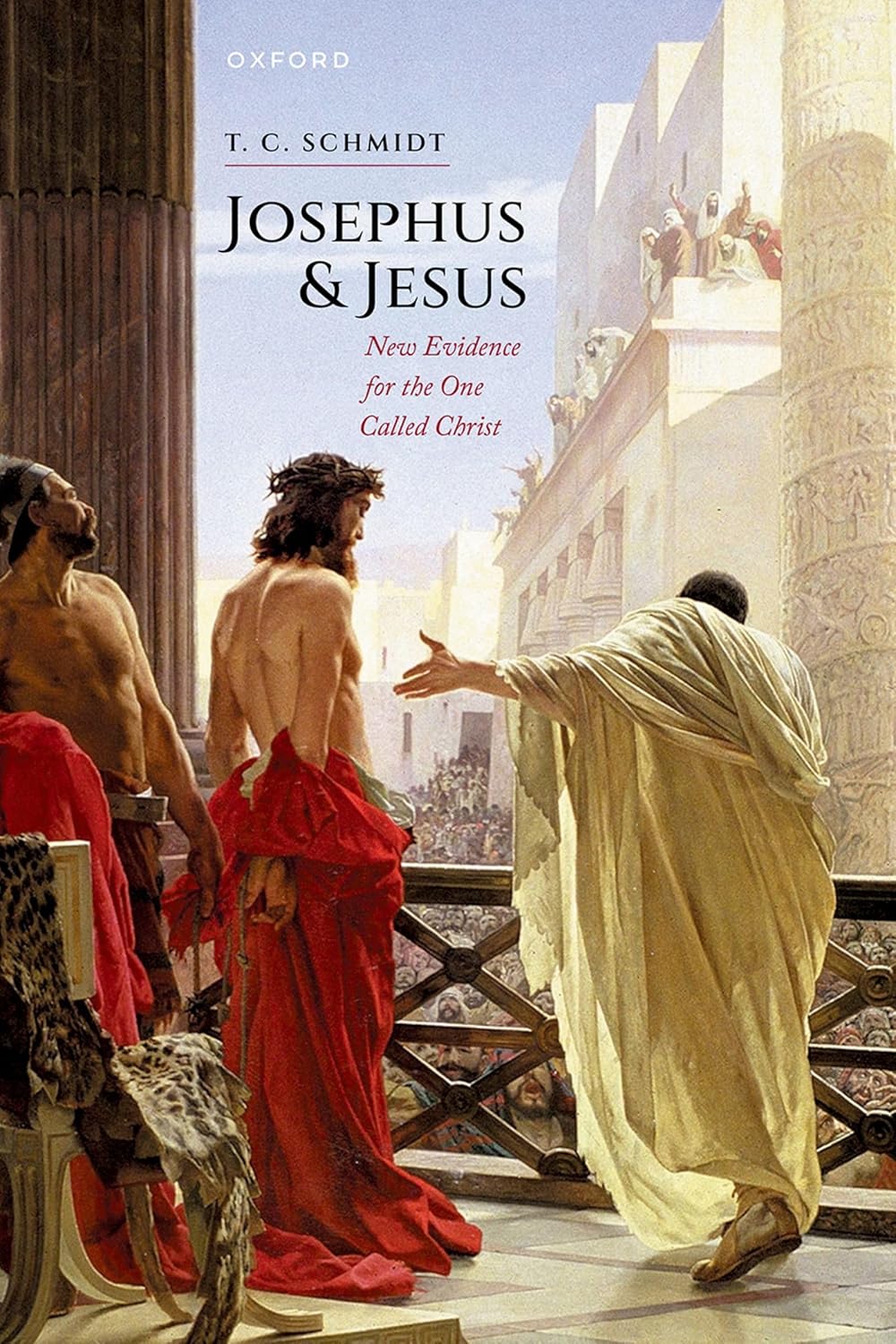
The debate around this passage focuses on distinguishing Josephus’ original wording from later alterations rather than confirming or denying theological claims. Scholars use manuscript comparison, linguistic analysis, and historical context to reconstruct what Josephus most likely wrote.
Overall, the writings of Josephus are valuable for understanding the historical context of first-century Judea, but they must be read carefully, as the surviving texts reflect both ancient authorship and later editorial influence.