Gary Ray Bowles, a Florida death row inmate known as the “I‑95 Killer,” was executed by lethal injection on August 22, 2019, at Florida State Prison in Raiford for a string of murders that terrorized the East Coast in 1994. Bowles, 57, was convicted of killing six men — all of whom were gay — in an eight‑month killing spree that began in Daytona Beach and stretched along Interstate 95 through Florida, Georgia, and Maryland.
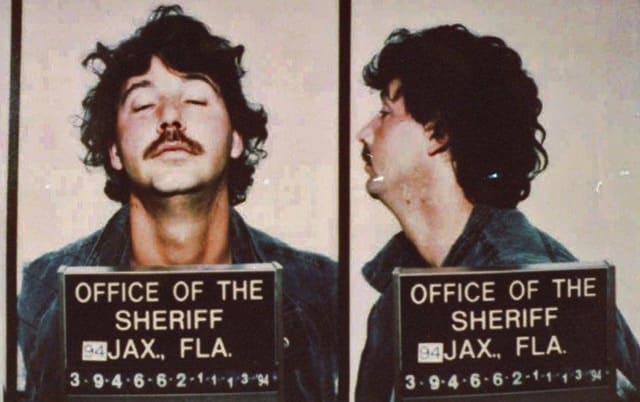
Law enforcement linked Bowles to the crimes through a combination of forensic evidence, eyewitness accounts, and his own admissions after his arrest in November 1994. His method of operation included befriending victims at gay bars, engaging in conversation or short stays, and then beating or strangling them to death. Investigators also noted that Bowles often humiliated victims by stuffing foreign objects — such as towels, rags, and even a sex toy — into their throats after the killings.
At trial, prosecutors presented extensive evidence tying Bowles to multiple victims, including John Hardy Roberts, David Jarman, Milton Bradley, Alverson Carter Jr., Albert Morris, and Walter “Jay” Hinton. Bowles was initially sentenced to death in 1996, but that sentence was overturned on appeal due to issues with how evidence of his prejudice was used. A second jury reinstated the death penalty in 1999.
After more than 20 years on Florida’s death row, Bowles’ legal team pursued multiple appeals, including to the U.S. Supreme Court, all of which were denied. On the day of his execution, Bowles was given a last meal of three cheeseburgers, bacon, and French fries.

Bowles did not speak to witnesses immediately before the lethal injection, but a handwritten statement he prepared was read to reporters afterward. In it, he expressed remorse for the pain and suffering he caused and apologized to his mother, acknowledging the weight of being labeled a “monster.” He wrote that he “never wanted this to be my life” and reflected that “you don’t wake up one day and decide to become a serial killer.”
The execution marked the 99th carried out in Florida since the state reinstated capital punishment. Bowles’ crimes had left a lasting impact on the victims’ families and the communities where the murders occurred, and the case remains one of the most notorious serial murder prosecutions in recent U.S. history.