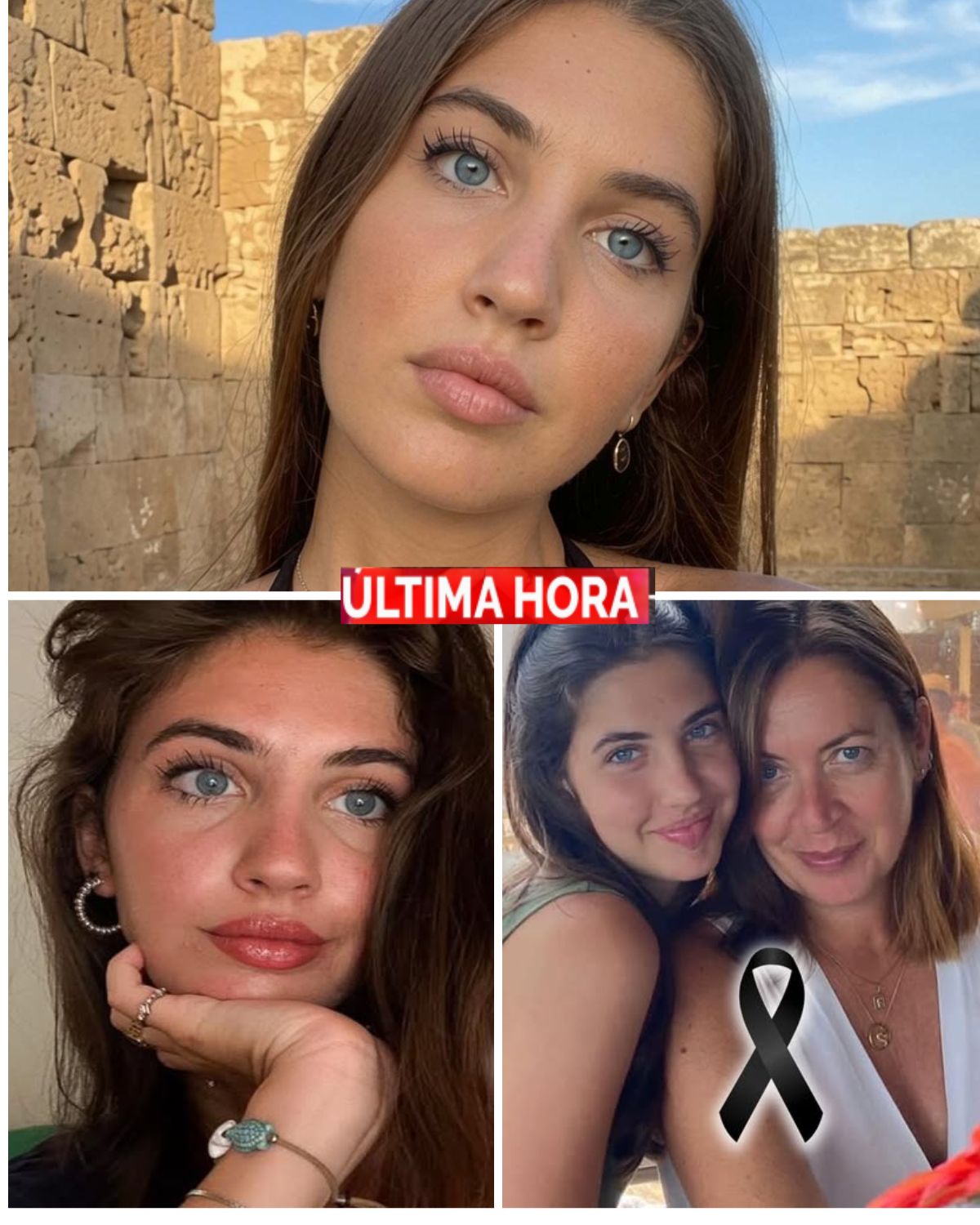
For more than a quarter-century, the murders of 11-year-old Robin Cornell and her babysitter, 32-year-old Lisa Story, haunted investigators in Cape Coral, Florida. On the morning of May 10, 1990, Robin’s mother returned home and discovered a scene that would become one of Southwest Florida’s most notorious unsolved homicide cases. Both victims had been sexually assaulted and murdered inside their condominium. Despite an extensive investigation, detectives were unable to identify a suspect, and the case eventually went cold.
During the original investigation, detectives carefully collected physical evidence from the crime scene, including DNA and several items believed to have been left behind by the killer. Although investigators developed theories and pursued numerous leads, advances in forensic science had not yet reached the point where the evidence could identify a specific suspect. For years, the case remained open but unsolved, leaving the victims’ families without answers.
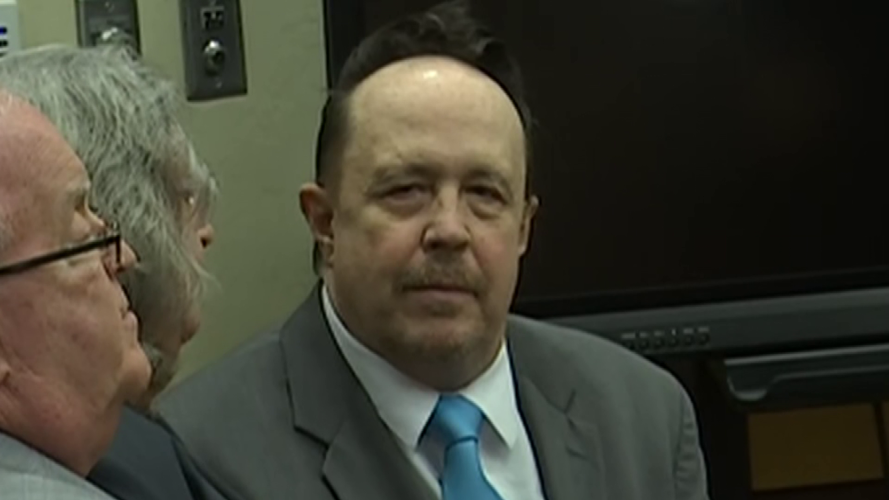
The breakthrough came in 2016. Joseph Zieler, who had been living freely for more than 26 years after the murders, was arrested on an unrelated assault case involving his son. As part of that investigation, authorities collected his DNA. When the sample was entered into the Combined DNA Index System (CODIS), it matched DNA evidence preserved from the 1990 double homicide. Detectives suddenly had the lead they had been waiting decades to find. Zieler was arrested and charged with the murders of Robin Cornell and Lisa Story.
Prosecutors alleged that Zieler entered the victims’ home during the night, sexually assaulted both victims, and then killed them. Over the following years, defense attorneys challenged the forensic evidence and attempted to prevent the case from going to trial. However, prosecutors argued that the DNA evidence, combined with other facts uncovered during the investigation, strongly linked Zieler to the crime scene.

The case finally reached trial in 2023. Jurors heard testimony about the decades-long investigation, the forensic evidence, and the circumstances surrounding the murders. After deliberations, the jury found Zieler guilty of two counts of first-degree murder. During the penalty phase, jurors voted 10-2 in favor of recommending the death penalty. A Lee County judge later imposed two death sentences.
Zieler appealed his convictions and death sentences, arguing that errors occurred during the trial and challenging aspects of Florida’s revised death penalty law. In April 2026, however, the Florida Supreme Court upheld both the convictions and the death sentences, rejecting the defense arguments and affirming the lower court’s ruling. The decision marked another major step toward final resolution in a case that had remained unsolved for more than two decades.
Today, the murders of Robin Cornell and Lisa Story remain a powerful example of how cold-case investigations can be solved through advances in DNA technology. What began as a baffling 1990 homicide investigation ultimately led detectives to a suspect more than 26 years later. For the victims’ families, the court rulings cannot undo the loss, but they represent the culmination of a decades-long search for accountability and justice.