The Pool of Bethesda is a site in the northeastern part of ancient Jerusalem that is mentioned in John 5:1–9 as the place where Jesus healed a man who had been disabled for many years. For centuries, scholars debated whether such a location actually existed because the Gospel describes it as having “five porticoes,” a specific architectural detail. Archaeological work beginning in the late 19th century near the Church of St. Anne uncovered a large double‑pool complex with colonnaded walkways that match the description of the five covered areas mentioned in the Gospel, lending historical credibility to the setting of the narrative.
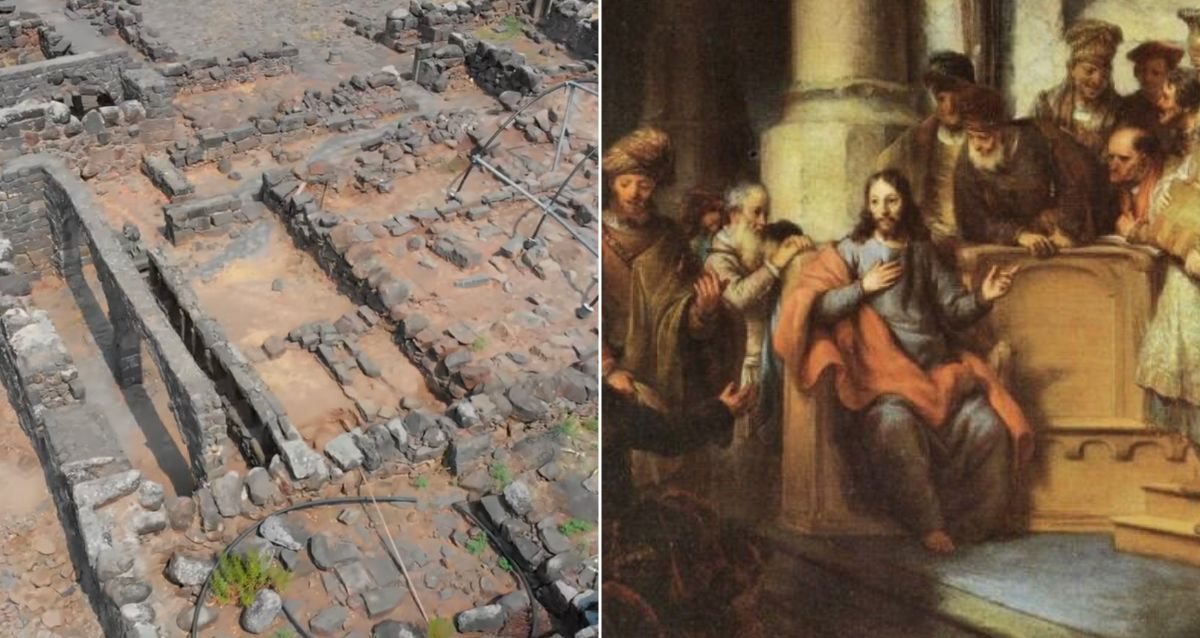
Excavations by Conrad Schick in the 1880s and later work by other archaeologists revealed two adjacent reservoirs, separated by a central dividing feature, with covered colonnades around them, precisely where the Gospel places the Pool of Bethesda by the Sheep Gate. This structure aligns with the architectural description in John and dates to the late Second Temple period, the same general era in which Jesus would have lived.
Archaeologists also uncovered steps, retaining walls, and water channels that show how the pool was supplied and how people would have accessed the water, reinforcing that it functioned as both a water reservoir and a gathering place. These findings correspond with textual and topographical details in ancient sources, making the biblical setting historically identifiable.
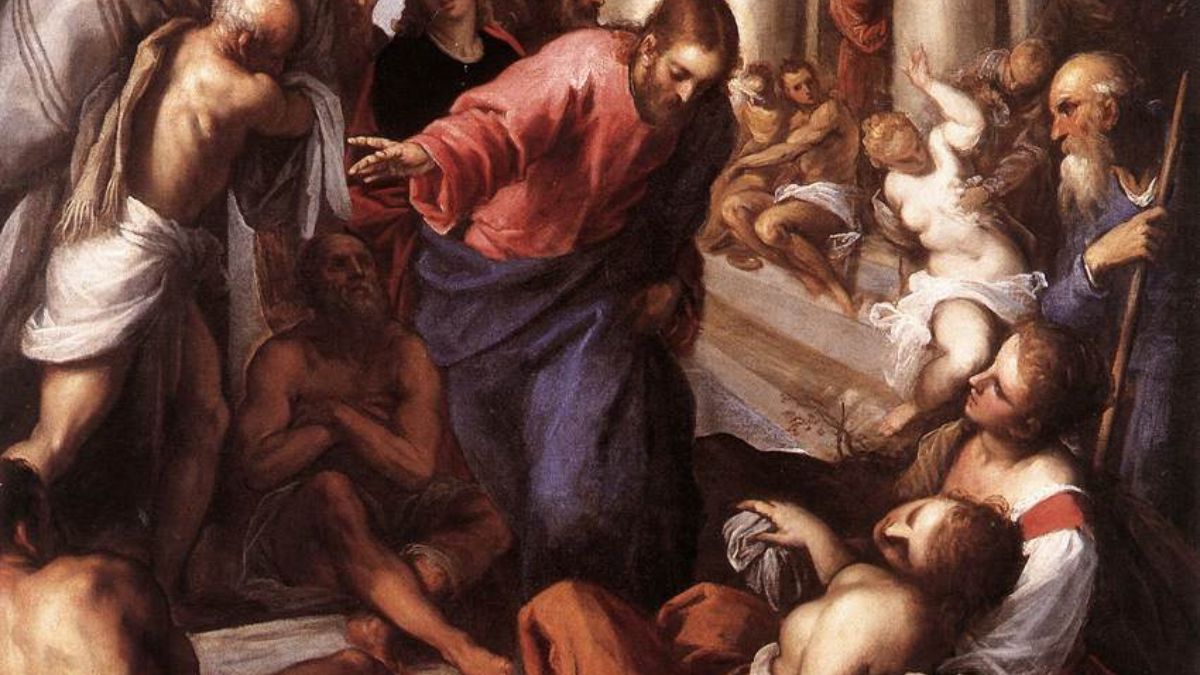
While archaeology can confirm the existence of the pool and its architectural features, it does not provide scientific evidence of the miracle itself; that aspect of the story is rooted in religious tradition recorded in the Gospel of John rather than archaeological measurement. What the excavations do offer is a tangible link to the physical environment of first‑century Jerusalem that matches the biblical account’s geographical references.
The site has layers of construction from different periods, reflecting Jerusalem’s long history, including earlier water installations, later Roman‑period modifications, and Byzantine‑era Christian structures built to commemorate sacred memory.
Today visitors can see remains of the pool complex beneath the Church of St. Anne, where ongoing study continues to illuminate how ancient Jerusalem’s water systems and public spaces operated in the time of Jesus.