Brother of Crystal Rogers’ Killer Faces Perjury Charge, Claims He Doesn’t Know Why He’s Being Prosecuted
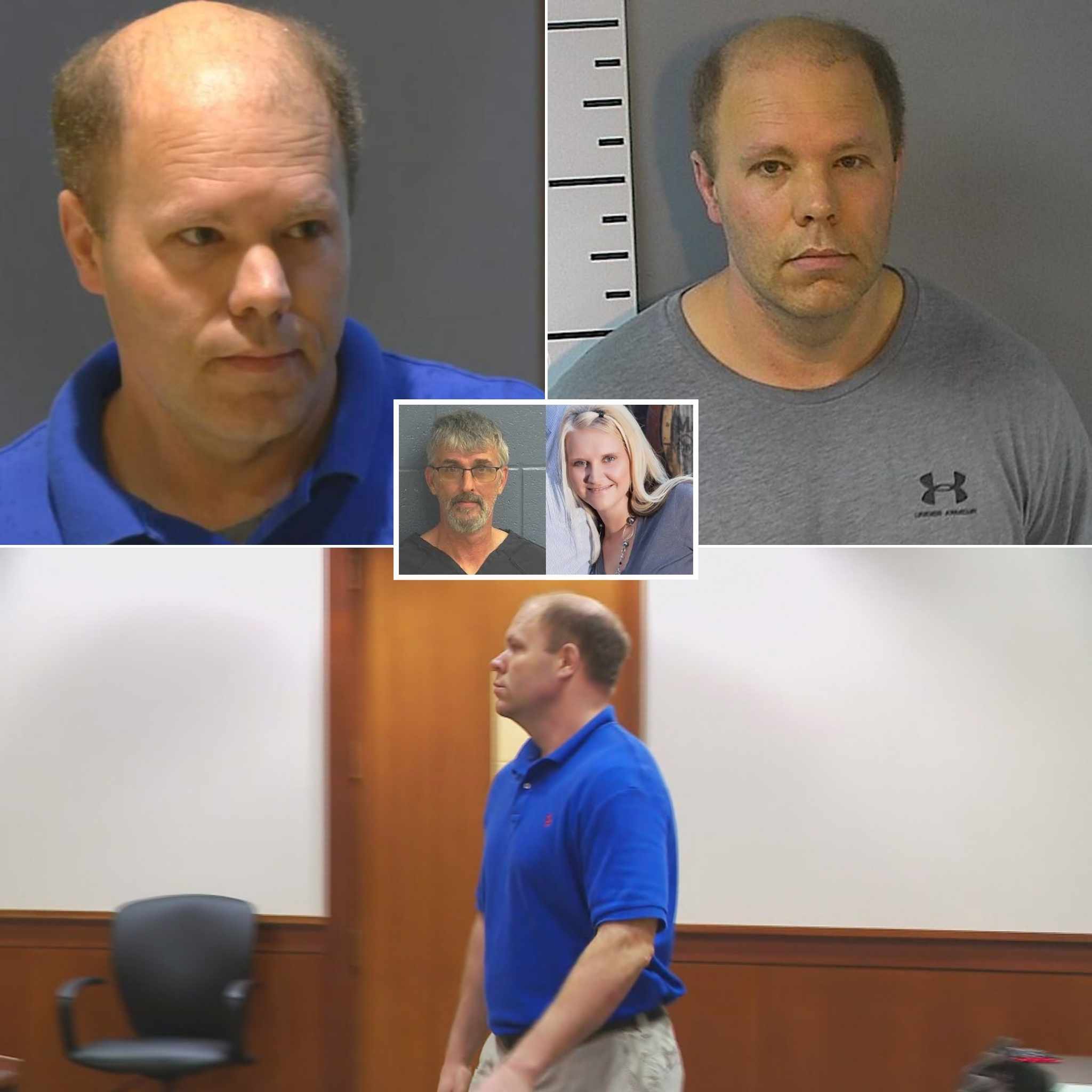
BARDSTOWN, Ky.—Nick Houck, the brother of Brooks Houck—convicted in the high-profile murder of Crystal Rogers—appeared in court this week to face charges of first-degree perjury, claiming he had “no idea” why prosecutors were charging him. The brief hearing on June 18, 2026, drew attention due to Houck’s unusual decision to appear without an attorney.
The Arraignment
During the arraignment, Nick Houck, a former Bardstown police officer, told Judge Dean Bucci that his counsel had instructed him to proceed without representation. The judge and the prosecution quickly discovered that Houck’s attorney had not been formally retained, leaving the defendant to navigate the hearing alone.
When questioned, Houck explained:
“I’ve been charged with perjury and I have no idea why you guys are charging me with that.”
Judge Bucci reminded him that prosecutors, not the court, file charges. The public defender’s office entered a plea of “not guilty” on his behalf to ensure the legal process could continue.

The Charges
The indictment alleges that Nick Houck lied under oath on multiple occasions between July 15, 2015, and April 2023. While specific details were not made public at the arraignment, the timeline coincides with the initial investigation into the disappearance of Crystal Rogers, a mother of five who vanished on July 3, 2015. Her body has never been found despite extensive searches.
Prosecutors have suggested that Nick Houck played a significant role in events surrounding Rogers’ disappearance, including:
- Being unaccounted for more than 24 hours when Rogers vanished
- Assisting his brother, Brooks Houck, in disposing of their grandmother’s car
Background: Brooks Houck Conviction
Brooks Houck, Nick’s brother, was sentenced to life in prison plus five years in 2025 after being convicted of murder and complicity to tampering with evidence in Crystal Rogers’ disappearance. Brooks, who was in a relationship with Rogers at the time, became the focus of a high-profile investigation that gripped Kentucky for years.
Nick Houck became a prominent figure during his brother’s trial, testifying and appearing in multiple hearings. Prosecutors have now shifted attention to him in connection with alleged inconsistencies and perjury, signaling a new chapter in the ongoing legal saga.
Legal Implications
The first-degree perjury charge is significant because it alleges that Houck deliberately provided false testimony under oath, potentially obstructing justice in one of Kentucky’s most closely watched criminal investigations.
Legal experts note that perjury charges can carry serious penalties, particularly when connected to violent or high-profile cases. In this case, proving that Houck knowingly lied about material facts could result in substantial prison time if convicted.
Upcoming Trial Date
Judge Bucci instructed Houck to return to court on July 2, 2026, with an attorney. At that hearing, a trial date will be set, potentially paving the way for a full examination of the perjury allegations.
This upcoming phase of the case is expected to draw media attention due to the family connection, the prior high-profile murder trial of Brooks Houck, and the ongoing public interest in Crystal Rogers’ disappearance.
Community and Public Reaction
The case continues to resonate in Bardstown and beyond. Many in the community have followed the Houck family saga for years, from Rogers’ disappearance to Brooks Houck’s conviction, and now to the perjury charges facing Nick Houck.
Supporters of the victim’s family have emphasized the importance of holding all individuals accountable for their roles in criminal proceedings, while legal commentators highlight the challenges of navigating high-profile trials where media scrutiny is intense.

Conclusion
Nick Houck’s arraignment marks the latest development in a case that has gripped Kentucky for more than a decade. Facing first-degree perjury charges related to the disappearance and murder trial of Crystal Rogers, he appeared without an attorney and claimed confusion about the allegations against him.
As the trial date approaches in July, the public and legal observers alike will watch closely to see how the proceedings unfold. With connections to Brooks Houck’s conviction and the unresolved questions surrounding Rogers’ disappearance, this case continues to raise critical issues about accountability, family dynamics, and the justice system in high-profile criminal cases.
⚖️ Should family members of convicted criminals face perjury charges if they are alleged to have provided false testimony, or should the focus remain solely on the primary offender?