The case of Brian Dorsey began on December 23, 2006, with a double homicide that shocked a Missouri community and ultimately led to one of the state’s most debated executions in recent years. Dorsey was later convicted of killing his cousin, Sarah Bonnie, and her husband, Benjamin Bonnie, inside their home in Callaway County. Prosecutors said the murders stemmed from financial troubles and drug-related debt that Dorsey was facing at the time.

According to court records, Dorsey contacted Sarah Bonnie seeking money to pay off individuals to whom he owed drug debts. Investigators determined that he later went to the couple’s residence, obtained a shotgun from the property, and fatally shot both victims. Authorities also alleged that he stole property from the home after the killings. One of the most troubling aspects of the case was that the couple’s young daughter was present in the home during the attack. Dorsey surrendered to authorities several days later, helping investigators piece together the timeline of events.
Detectives and prosecutors built their case using crime-scene evidence, witness statements, and Dorsey’s own admissions. In 2008, he pleaded guilty to two counts of first-degree murder and received two death sentences. Although the convictions themselves were not heavily disputed, the legal battle that followed focused on whether the death penalty remained appropriate given Dorsey’s personal history, substance abuse issues, and conduct while incarcerated.
Over the next 17 years, Dorsey’s attorneys argued that he was experiencing drug-induced psychosis fueled by crack cocaine and alcohol use when the murders occurred. They also pointed to his exemplary prison record, noting that he had become a trusted prison barber and had accumulated virtually no disciplinary violations while on death row. His clemency effort attracted unusual support from former corrections officers, lawmakers, faith leaders, mental health experts, and even some individuals connected to the victims’ family.
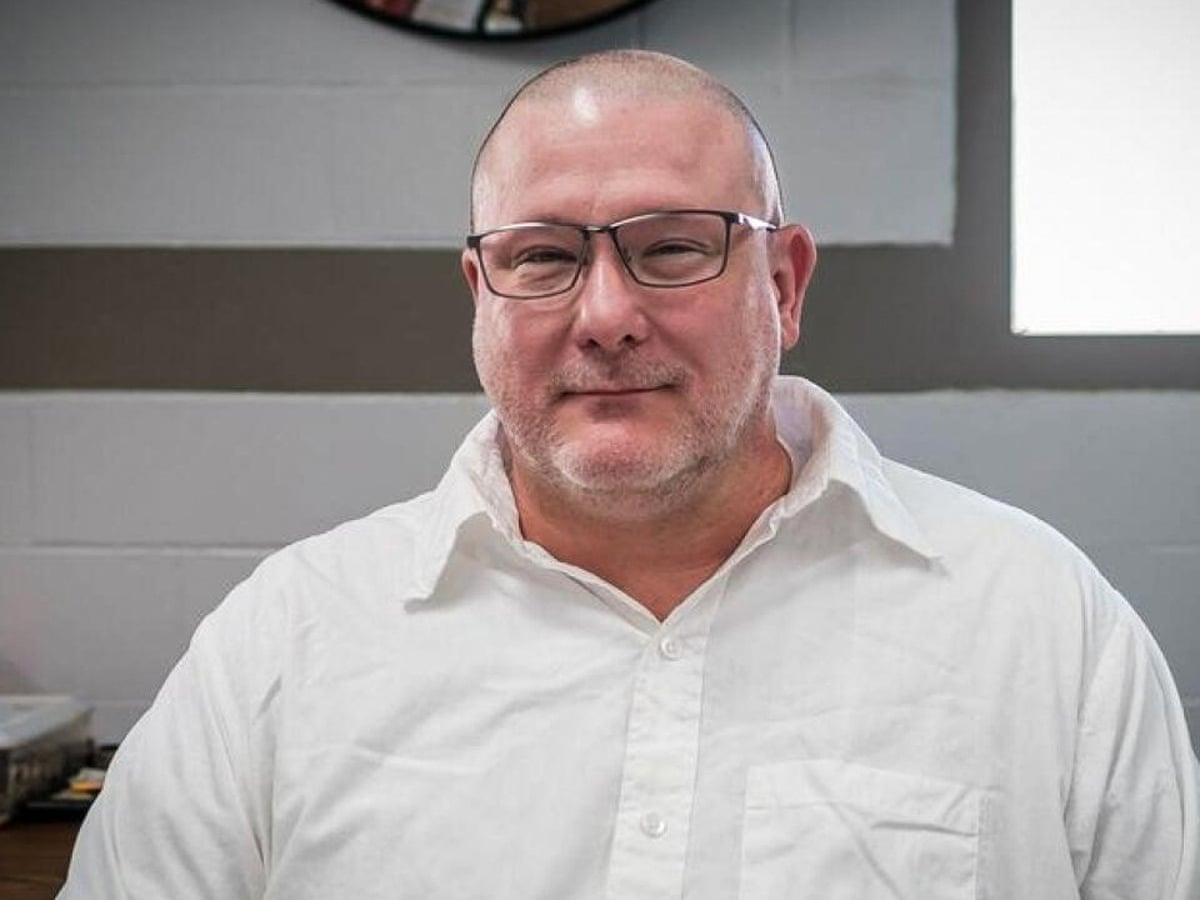
Despite those appeals, Missouri Governor Mike Parson denied clemency, and the U.S. Supreme Court declined to intervene. On April 9, 2024, Dorsey was executed by lethal injection at the state prison in Bonne Terre, Missouri. Prison officials reported that he was pronounced dead at 6:11 p.m. after receiving a single dose of pentobarbital.
Before the execution, Dorsey requested a final meal consisting of two bacon double cheeseburgers, two orders of chicken strips, two large orders of seasoned fries, and a pizza topped with sausage, pepperoni, onions, mushrooms, and extra cheese. In a written final statement, he expressed remorse for the murders, writing that he was “truly, deeply, overwhelmingly sorry” and that words could not fully express the weight of his guilt and shame. He also stated that he held no anger toward anyone involved in the process.
The Dorsey case remains notable not only because of the crime itself but also because of the broader debate it generated about rehabilitation, clemency, and capital punishment. While the murders of Sarah and Benjamin Bonnie were never in dispute, the years leading up to the execution prompted questions about whether a prisoner who had demonstrated decades of good behavior and remorse should still face execution. Ultimately, Missouri courts and state officials allowed the sentence to proceed, closing a case that had remained active in the criminal justice system for nearly eighteen years.