USGA Faces Backlash After Joaquin Niemann Receives 2-Stroke Penalty at U.S. Open
The 2026 U.S. Open at Shinnecock Hills became the center of controversy after Joaquin Niemann, the Chilean LIV Golf star, was assessed a two-stroke penalty for a disciplinary incident on the sixth hole of Round One. The ruling has sparked debate across the golf community regarding fairness, consistency, and the newly introduced USGA Code of Conduct.
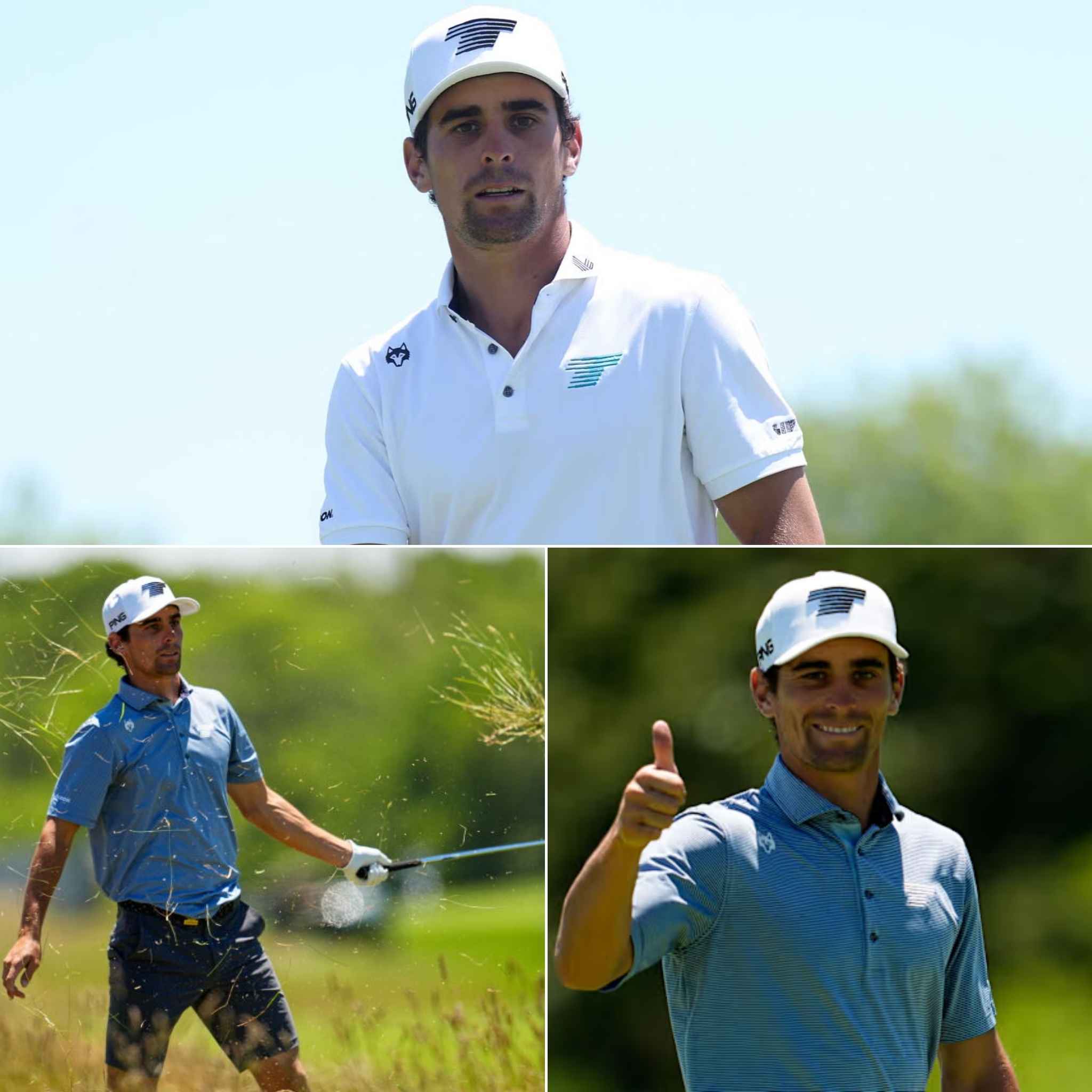
What Happened on the Sixth Hole
Niemann, seeking his first major victory, had a difficult start. After missing the cut last year, he entered Shinnecock Hills under pressure. On the par-4 sixth hole, his day took a sharp turn:
- Niemann hit two tee shots out of bounds.
- His third shot landed in a native area.
- His fourth shot reached the left side of the fairway, leaving him 131 yards from the pin.
Attempting to take relief, Niemann argued that fire ants near his ball justified invoking Rule 16.2a, which allows relief under dangerous playing conditions. The rules official rejected the claim, leading to Niemann losing his temper.
According to a volunteer report, Niemann kicked the flag marking his ball and then threw his club roughly 50 yards, culminating in a quintuple-bogey nine on the hole. The USGA later ruled the act as “serious misconduct” under its newly adopted Code of Conduct and issued a two-stroke penalty, effectively raising his score for the hole from nine to eleven.
USGA’s Statement and Rationale
The USGA explained the penalty in a formal statement:
“If a player’s behavior is so far removed from what is expected in the spirit of the game of golf, in accordance with Rule 1.2b, the Chief Referee, in consultation with the Championship Directorate, may apply a penalty of two strokes or disqualification, taking account of frequency, impact, intent, and severity of misconduct.”
This marked the first time a player received such a penalty under the USGA’s new Code of Conduct, which aims to curb disruptive behavior on the course. While previous incidents of players throwing clubs have occurred, such as Rory McIlroy at the 2025 U.S. Open at Oakmont, no formal penalties were applied, as the code had not yet been introduced.
Fan Reactions and Controversy
The ruling sparked immediate discussion on social media. Many fans questioned whether Niemann was being treated fairly, pointing out similar past behavior from other PGA Tour stars that went unpenalized:
- “Did he throw the club at somebody? I’ve seen tantrum club throws from top players before with no penalty!”
- “Rory gets a permanent pass? Too bad his name isn’t McIlroy or Spieth,” referring to perceived inconsistencies in the enforcement of rules.
The USGA even faced minor ridicule after misspelling Niemann’s name in their official statement, which added fuel to the ongoing backlash.
Context: New Policies and Precedents
The introduction of the Code of Conduct is part of a broader effort by golf’s governing bodies to enforce professionalism and decorum. In April, Sergio Garcia received the first formal code warning for damaging a tee box at Augusta National, but no penalty was assessed.
Former PGA Tour player and broadcaster Andrew Coltart defended the USGA’s decision, emphasizing the importance of accountability:
“I have made mistakes like that in the past, but if they don’t clamp down you embolden that type of display and it does not do anybody any good. I think it’s quite right.”
Similarly, the R&A announced that The Open would adopt a similar code this year, reflecting a wider shift in the sport’s approach to player conduct.
Implications for Professional Golf
The Niemann incident highlights several issues facing professional golf:
- Consistency in Enforcement: Fans are calling for uniform application of penalties across all players to avoid perceptions of bias.
- Impact on LIV Golf Players: Some observers interpret the penalty as disproportionate given Niemann’s LIV affiliation, fueling debate about fairness in treatment.
- Behavioral Standards: With new codes in place, elite golfers will need to adjust their conduct or risk facing formal penalties for actions previously overlooked.
The incident may serve as a precedent for future enforcement, signaling a stricter standard for on-course behavior and a renewed emphasis on decorum.
Conclusion
Joaquin Niemann’s two-stroke penalty at the 2026 U.S. Open has ignited controversy over fairness, consistency, and the role of the USGA’s new Code of Conduct. While some view the penalty as justified, others perceive bias or overreach. As governing bodies continue to implement these rules, professional golfers will need to navigate the fine line between competitive frustration and sanctioned misconduct, knowing that future incidents may carry similar consequences.