Why Ancient Romans Thought Blonde Hair Was Exotic and Irresistible
In the bustling markets and shaded courtyards of ancient Rome, a peculiar fascination with beauty and status thrived. Among the wealthier classes, dark-haired Roman women sought to stand out by transforming their appearance using the most exotic imports from the far corners of the empire. Perfumes scented with Arabian spices, powders and cosmetics from Egypt, soft Indian cotton robes, and silks from the far reaches of China all contributed to the Roman woman’s ability to craft an image of sophistication and allure.
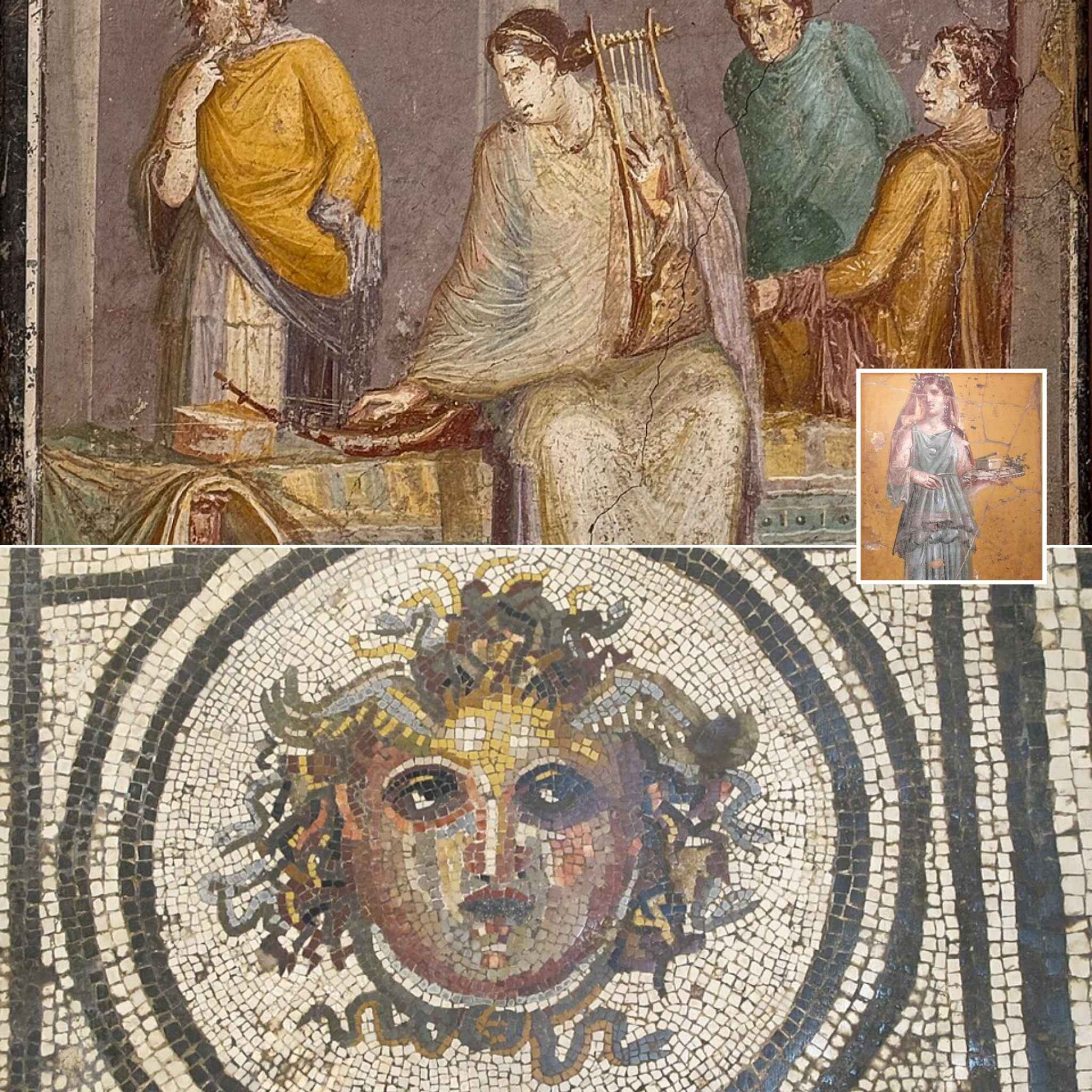
Yet one particular beauty trend captured the imagination of Romans like no other: blonde hair. Far from the natural Mediterranean dark locks that dominated the Italian peninsula, blonde hair became a highly sought-after feature, an emblem of wealth, status, and the allure of distant lands. Wigs crafted from the hair of Germanic prisoners, imported dyes, and the use of gold dust to lighten natural hair all reflected a growing obsession with the exotic. Roman satirists mocked it, poets celebrated it, and moralists decried it—but through it all, blonde hair became a symbol of cultural exchange and the empire’s fascination with its distant frontiers.
Imported Luxury: Wigs, Dyes, and Gold Dust
Roman women had few means to change their natural hair color, but those who could afford imported goods had several options. Wigs, often made from the hair of Germanic or Gallic captives, allowed women to achieve a striking blonde appearance without exposing their hair to the harsh effects of chemical dyes. When dyes were used, they could be combined with exotic ingredients like saffron, ash, and vinegar, and applied repeatedly under the sun to gradually lighten dark tresses.
Some women even sprinkled gold dust on their hair to create shimmering highlights, a practice that was especially controversial among moralists. This dramatic, almost theatrical enhancement of natural beauty became a point of both envy and critique in Roman society.
Literary Advice on Beauty
Long before social media influencers or YouTube tutorials, Roman writers offered guidance on enhancing personal appearance. The poet Ovid, in Ars Amatoria, endorsed the use of cosmetics and hairstyles as part of the art of attraction, encouraging women to embrace aesthetic practices that amplified their natural charm.
Juvenal, in his satires, mocked the extravagance of women who wore imported Germanic wigs. He wrote, with biting humor, that Roman women purchased the hair of young German girls to augment their appearance, highlighting the empire’s reach and the ease with which foreign luxuries could be acquired. Martial, another poet, also commented on the trend, noting that women could change their hair color frequently if they owned multiple wigs, suggesting a culture of shifting fashion and playful vanity.
Pliny the Elder, in his encyclopedic Natural History, offered practical advice on hair-lightening techniques. He described mixtures of saffron, vinegar, and ash applied under the sun to achieve a golden effect, cautioning, however, that the process could damage hair and scalp—a risk that likely contributed to the popularity of wigs over chemical dyes.
Blonde Hair and Roman Encounters with Germania
Rome’s fascination with blonde hair was closely tied to the military and cultural encounters in northern Europe. Campaigns in Germania introduced Romans to populations with naturally light hair, which became a symbol of exotic beauty in contrast to the typical Mediterranean dark locks. Tacitus, the Roman historian, often contrasted the perceived simplicity and martial virtue of northern peoples with the perceived decadence of Rome, noting the distinctive appearance of these “barbarian” populations.
Captive women from these regions were sometimes brought to Rome and their hair used to make wigs, creating a highly desirable, luxury commodity. Wearing a blonde wig not only indicated wealth but also signaled a connection to the wider empire and access to foreign goods.
Criticism and Moral Panic
Despite its popularity, blonde hair was not without its critics. Conservative writers and later Christian authors frequently decried the practice as a sign of vanity and excess. Tertullian, writing in the late 2nd to early 3rd century AD, condemned women who dyed their hair with saffron, suggesting that they were ashamed of their natural heritage and attempting to appropriate the appearance of Germans and Gauls.
Tertullian’s complaints highlight the social tension surrounding beauty practices in Rome: on one hand, the elite embraced exotic fashion; on the other, moralists worried about cultural corruption and the perceived dangers of female indulgence. Blonde hair, often associated with prostitutes or foreign slaves in satirical texts, became a flashpoint for discussions of morality, identity, and status.
Cultural Influence Across the Empire
The Roman Empire’s vast geography and trade networks contributed significantly to the popularity of blonde hair. Exposure to distant cultures, combined with the importation of luxury goods, allowed Roman women to emulate foreign ideals of beauty. The trend reflects not only aesthetic preferences but also social and political positioning: to appear fashionable, wealthy, and worldly was to assert one’s place within the elite echelons of Roman society.
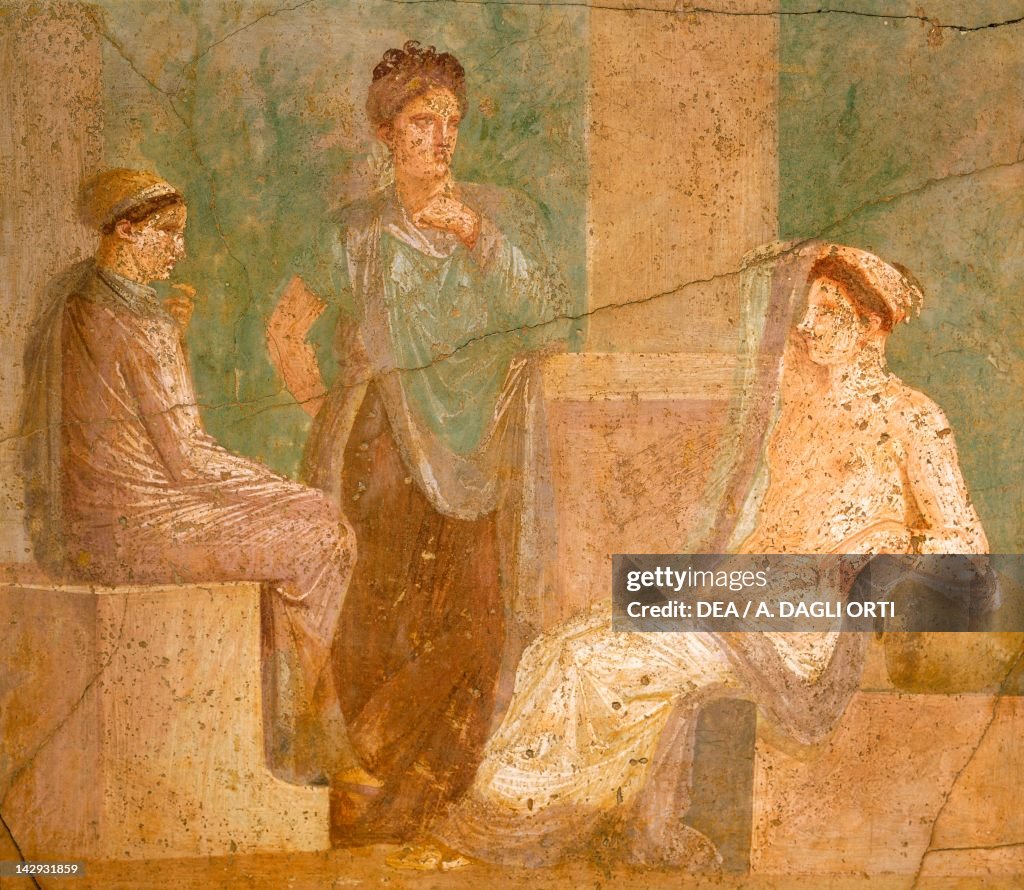
Artistic representations, from frescoes in Pompeii to statues of Venus, frequently depict lighter-haired women and goddesses, reinforcing the association of blonde hair with beauty and desirability. Even in these images, however, the line between artistic convention and reality is blurred; the depictions serve as cultural statements as much as accurate portraiture.
Blonde Hair and the Social Hierarchy
Blonde hair was not simply a cosmetic preference—it functioned as a social signal. Wigs made from imported hair were expensive and difficult to obtain, accessible only to the wealthiest women. Adopting this style indicated not only personal taste but also familial wealth, political connections, and engagement with the wider imperial economy.
In essence, wearing blonde hair in Rome was a form of social currency. It allowed women to project power, sophistication, and alignment with cosmopolitan ideals. The fact that moralists and satirists repeatedly commented on the trend underscores its cultural significance: it was a visible marker of status, influence, and participation in the imperial exchange network.
Legacy of Roman Hair Trends
The fascination with blonde hair did not end with the fall of Rome. Across medieval and early modern Europe, blonde hair often symbolized beauty, purity, and desirability. In contemporary culture, the association persists, echoing Roman preferences in a new form. The enduring appeal of blonde hair—from Roman frescoes to modern advertising—highlights the deep historical roots of beauty ideals and the role of cultural exchange in shaping them.
Roman women’s efforts to achieve the perfect shade—through dye, wig, or sprinkled gold dust—demonstrate that even in antiquity, personal appearance was both an art and a statement of identity. These practices reveal a society deeply aware of aesthetics, fashion, and the social power of beauty.
Conclusion
Blonde hair in ancient Rome was far more than a mere cosmetic preference—it was a statement of wealth, cultural knowledge, and social status. It reflected Rome’s position as a hub of global trade, a meeting point of cultures, and a civilization fascinated with the exotic and the beautiful. Through wigs, dyes, and imported materials, Roman women could adopt the allure of distant lands, projecting sophistication and power in the crowded streets, forums, and villas of the empire.
The critiques of moralists, the observations of historians, and the satirical barbs of poets like Juvenal all underscore one truth: beauty in Rome was a form of currency, a language in itself, and blonde hair was one of its most prized dialects. Today, the fascination with fair hair remains, reminding us of the enduring power of cultural ideals and the timeless human desire to craft and shape identity through appearance.