Ancient Mongolian Cemetery Reveals Power Mattered More Than Blood Ties
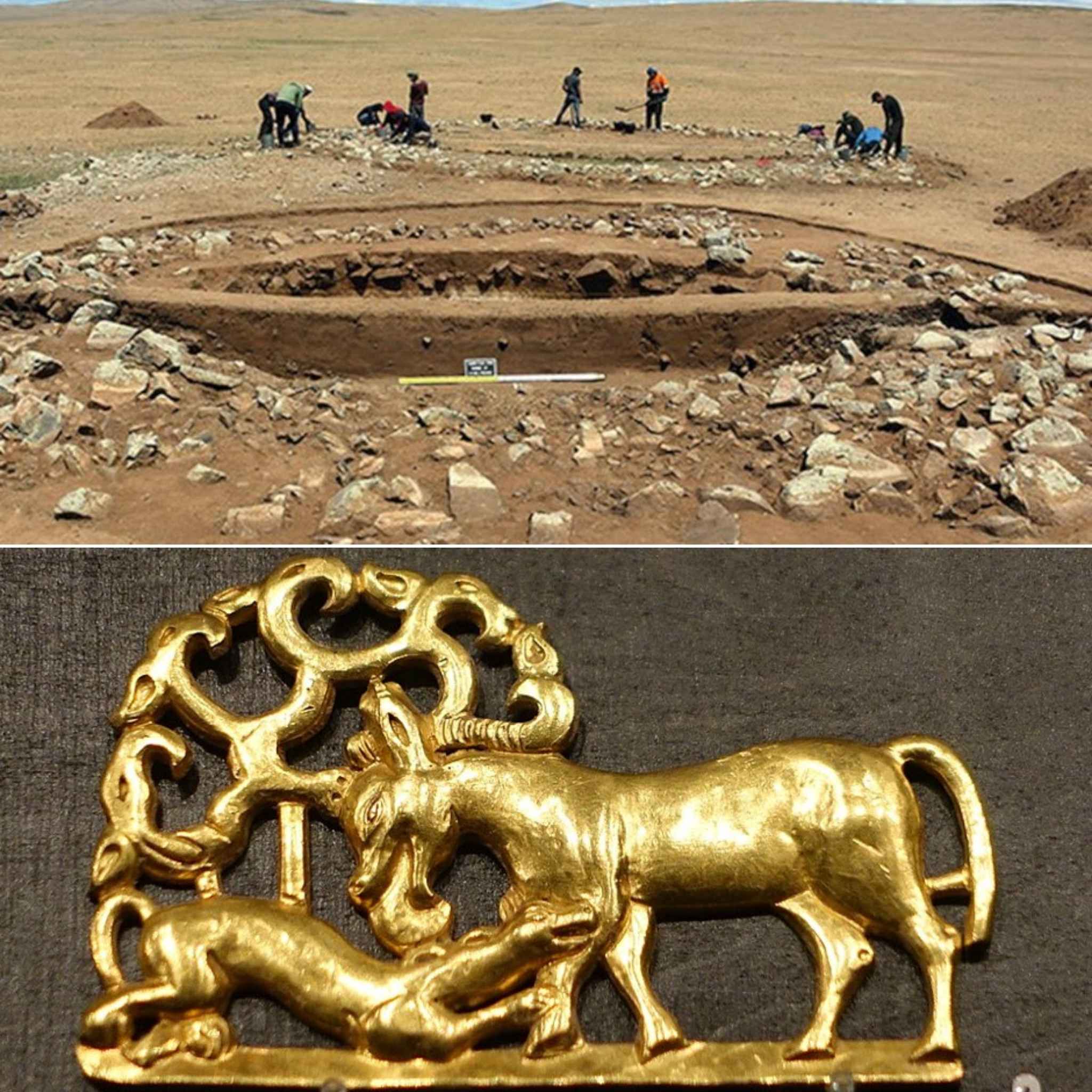
In the windswept steppes of Mongolia, where nomadic empires once roamed vast territories and exchanged goods with the Han dynasty, a silent necropolis has been whispering secrets for over two millennia. The Tamir necropolis, a burial ground of the Xiongnu elite dating roughly from 100 BC to AD 100, has long been known to archaeologists. Yet only now, with a revolutionary combination of ancient DNA analysis, burial archaeology, statistical modeling, and machine learning, are scholars beginning to unravel the true story of social power, identity, and hierarchy embedded in these graves.
For decades, the Tamir necropolis offered tantalizing glimpses into the lives of the Xiongnu—a federation of nomadic tribes that established the first recorded polity of the Central Asian steppes. Historical records, particularly from the Han dynasty, describe the Xiongnu as formidable horsemen, masterful diplomats, and a politically fluid empire stretching across what is today Mongolia and parts of Siberia. But how did such a society organize its dead? Did family ties dictate placement in elite cemeteries, or did power and prestige outweigh bloodlines? Recent research provides a definitive answer.
A Burial Ground of the Xiongnu Elite
The Tamir necropolis is situated along the rolling plains of central Mongolia, a region that once functioned as a nexus between steppe nomads and the sedentary civilizations of East Asia. Archaeological excavations have divided the cemetery into western and eastern sectors, with the eastern sector containing several monumental tombs. These graves are not modest; they were constructed with deep pits, ringed with stone circles, and frequently accompanied by elaborate coffins, intricate pottery, and imported goods. Horse remains, often positioned strategically, underscored the centrality of equestrian culture in Xiongnu identity.
The eastern sector of Tamir, the focus of the recent study, offers some of the largest and most elaborate tombs in the cemetery. These structures suggest that the Xiongnu elite used monumental architecture to broadcast status and power, projecting authority not just in life but in death. Items found within the tombs include Chinese imports—ceramic bowls, metal implements, and luxury goods—iron tools, weapons, and animal remains, all pointing to a complex socio-economic network connecting the steppes to distant empires.
Family Ties? Not So Fast
Initial analyses of the necropolis suggested the presence of two extended family lineages spanning up to six generations. Early interpretations proposed that the site functioned as a family cemetery, reinforcing a biological understanding of kinship in the Xiongnu elite. Yet a closer inspection using ancient DNA painted a more nuanced picture. Many individuals were unrelated to these primary lineages, challenging assumptions that graves were allocated strictly along hereditary lines.
Through statistical modeling and machine learning, the research team evaluated correlations between grave wealth, architectural elaboration, and genetic relatedness. The results were surprising: while family ties existed, they were far less predictive of burial placement than the accumulation of wealth, access to prestige goods, and political influence.
“We found that social status trumped genetic lineage in shaping the cemetery’s layout,” explained Dr. Bayar Erdene, lead geneticist on the project. “Individuals without close biological ties to elite families could occupy central, highly adorned graves if their social or political position warranted it.”
Wealth and Power Etched in Stone
Analysis revealed that several key features consistently predicted the status of a burial:
- Grave Depth: Wealthier individuals were interred in deeper pits, a subtle but enduring sign of rank.
- Coffins and Tomb Architecture: Elaborate wooden coffins, often layered and adorned, signaled power and elevated social position.
- Prestige Goods: Imported items, metalwork, and luxury ceramics clustered in elite tombs, creating a material hierarchy.
- Animal Remains: Horse bones, likely ceremonial or symbolic, were found exclusively in the most prestigious burials, while less affluent tombs often included smaller livestock like goats.
Interestingly, some practices appeared to be passed vertically along family lines, such as structural features of tombs and certain wealth indicators. Other cultural traditions—like tomb orientation, pottery styles, ritual removal of skulls, or the presence of lamps and swords—spread horizontally, cutting across genetic lineages and suggesting a form of social transmission tied to status rather than heredity.
Image suggestion: Close-up of horse bones and artifacts found in an elite Xiongnu burial, showing bronze and iron tools. (Press-style archaeological photo.)
A Dynamic Funerary Landscape
The Tamir necropolis demonstrates that the Xiongnu elite did not simply follow a rigid genealogical hierarchy. Instead, it was a dynamic landscape shaped by multiple factors:
- Political Role: Individuals with administrative or military responsibilities could receive prominent burial treatment irrespective of family connections.
- Social Alliances: Marriage, diplomatic service, or alliances with other clans could elevate an individual’s standing in the cemetery hierarchy.
- Symbolic Power: Placement, grave goods, and rituals reinforced identity and prestige, broadcasting messages to both contemporaries and posterity.
Some genetically related individuals were buried at the margins of the necropolis, while others with no known biological connections received central placement near ceremonial monuments. This pattern emphasizes the Xiongnu belief that societal influence and authority mattered more than blood in determining posthumous honor.
Linking the Steppes and Han China
The Xiongnu Empire was a politically and culturally complex entity, navigating relations with neighboring Han China, often oscillating between warfare and diplomacy. The artifacts in the Tamir necropolis provide tangible evidence of these interactions. Chinese imports, iron tools, and pottery types not native to the steppe underscore the Xiongnu elite’s engagement in long-distance trade, diplomacy, and cultural exchange.
The study also suggests that the Xiongnu maintained a flexible approach to identity. Power, role, and wealth mattered more than rigid lineage, enabling a meritocratic element in elite status. This perspective helps historians understand the adaptability and cohesion of nomadic empires, where survival depended on alliances, resource control, and the ability to project authority.
Interpreting Ancient DNA in Context
While ancient DNA has revolutionized the study of premodern populations, the Tamir necropolis demonstrates the importance of contextualizing genetic findings within archaeology. DNA can reveal lineages, familial ties, and population movement—but it does not tell the full story of social identity, political influence, or ritual practice.
By integrating genetics with archaeology, machine learning, and cultural phylogenetics, the researchers could uncover the interplay between power, prestige, and kinship. The study illustrates that elites were not merely defined by birth; their social capital, access to resources, and symbolic authority were equally, if not more, decisive.
Insights Into Xiongnu Society
The Tamir necropolis offers a rare window into the social structure of the Xiongnu:
- Merit Beyond Birth: Influence could be conferred through deeds, alliances, or service, not solely by lineage.
- Symbolic Displays: Horses, Chinese goods, and tomb architecture conveyed rank and reinforced status.
- Cultural Syncretism: Funerary practices were a fusion of indigenous steppe traditions and foreign influences from China and beyond.
The findings also provide a cautionary tale for interpreting archaeological sites solely through the lens of genetics or material wealth. Societies often encode complex hierarchies that can only be revealed through multi-disciplinary research.
A Model for Future Research
The success of this multi-layered analysis sets a precedent for future studies of nomadic empires and elite burial grounds. By combining genetic sequencing, statistical modeling, and computational archaeology, researchers can parse the nuanced social rules that governed ancient civilizations.
As the Tamir project continues, scholars hope to examine the western sector of the necropolis and compare it with contemporaneous Xiongnu cemeteries. Further study may reveal whether the patterns of power over kinship observed in Tamir were unique or emblematic of a broader steppe aristocracy.
Conclusion: Power, Prestige, and the Afterlife
The Tamir necropolis underscores a profound truth about human societies, ancient and modern alike: status and power often outweigh family ties in determining one’s place in the social hierarchy. For the Xiongnu, the afterlife was not solely reserved for the genetically privileged; it was reserved for those whose actions, alliances, and prestige cemented their influence in life.
In this remote Mongolian cemetery, the bones, coffins, and artifacts tell a story of a society where power mattered most—not just the blood you were born with, but the wealth you commanded, the horses you rode, and the alliances you forged. Through this lens, the necropolis becomes more than a collection of graves; it is a testament to the social ingenuity and hierarchical sophistication of one of the steppe’s earliest empires.