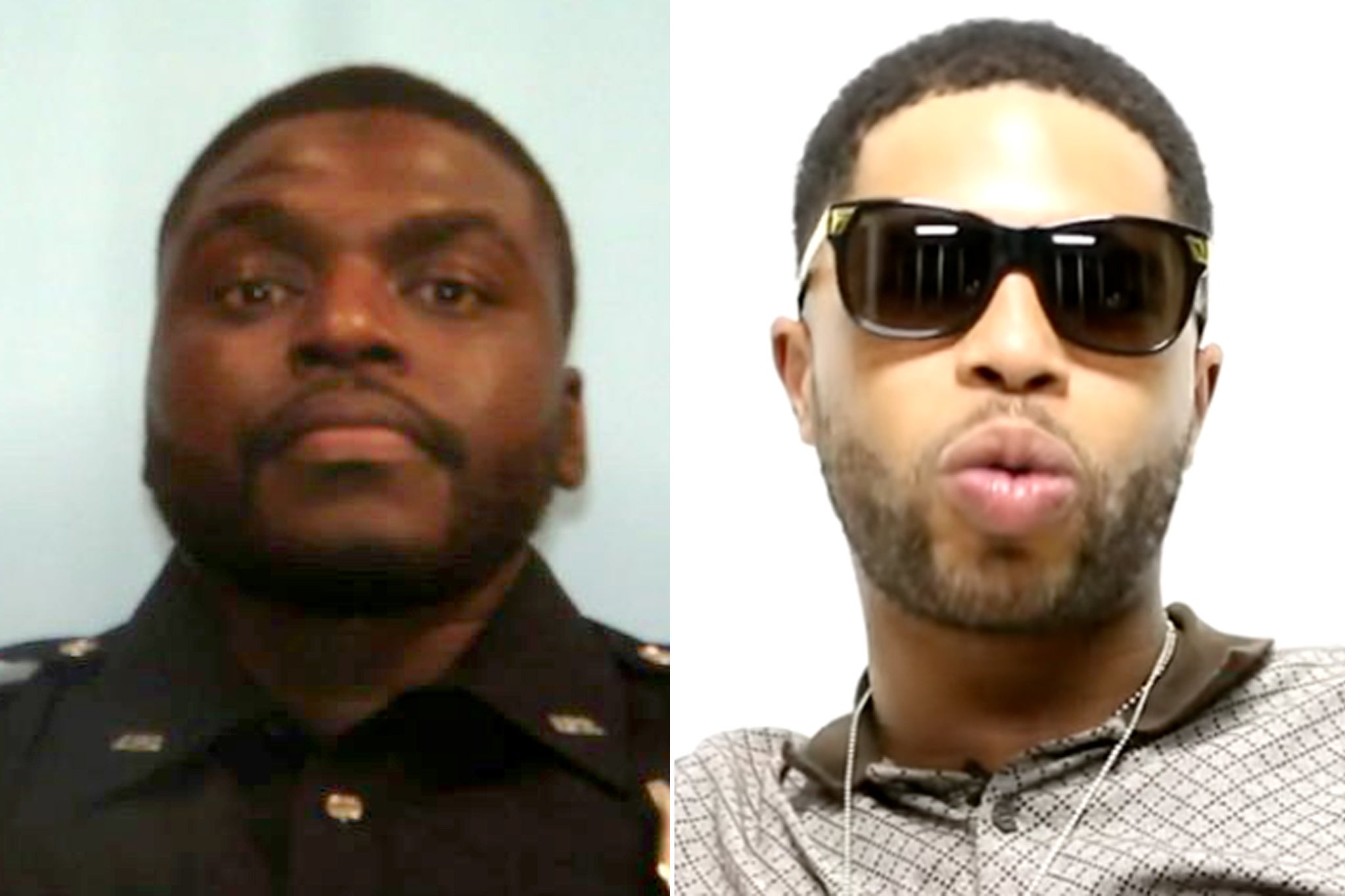
In a haunting culmination of a case that spanned over three decades, Louis Gaskin, infamously dubbed the “Ninja Killer,” was executed by lethal injection on April 12, 2023, at Florida State Prison. He was pronounced dead at 6:15 PM, marking the end of a long and controversial journey through the justice system.
 To understand the gravity of this moment, we must rewind to a chilling night in December 1989. On the 20th, Robert Sturmfels, 56, and his wife Georgette, 55, were settling into their home in Palm Coast, Florida, having moved from New Jersey just three years prior. Their peaceful evening turned into a nightmare when Gaskin, clad entirely in black, approached their residence armed with a .22 caliber rifle.
In a brutal attack, Gaskin shot Robert through the window before turning his weapon on Georgette as she attempted to flee. The horror didn’t end there; he followed her into the house and shot her again. After the gruesome act, Gaskin stole several items from their home, claiming he intended to gift them to his girlfriend for Christmas.
But this was not Gaskin’s first act of violence. Just three years earlier, he had murdered Charles Martin Miller in a robbery gone wrong, leading to a life sentence. Yet, by December 1989, he was free to commit another heinous crime. His arrest came shortly after the Sturmfels murders, with detectives uncovering a chilling confession that detailed the cold-blooded nature of his actions.

In 1990, Gaskin faced trial and was convicted on multiple counts, including three counts of first-degree murder. Despite a psychologist’s assessment that he understood his actions, the jury’s recommendation for the death penalty was not unanimous. The judge, however, accepted the majority’s decision, sentencing him to death.
Over the next 33 years, Gaskin’s case was mired in a web of appeals, with his attorneys arguing that crucial evidence about his mental health was never presented to the jury. The Florida Supreme Court ultimately rejected these claims, and even the U.S. Supreme Court declined to intervene. Gaskin’s legal team also contended that his prolonged time on death row constituted cruel and unusual punishment, but courts dismissed this argument as well.

Interestingly, one of the surviving victims, Noreen Rector, publicly opposed Gaskin’s execution, stating that the process only reopened old wounds for her. As the state moved forward with the execution, Gaskin’s death warrant was signed amid a legislative push to change the requirements for death sentences in Florida.
On the day of his execution, Gaskin had a last meal that included barbecue pork ribs and shrimp fried rice. He was visited by his sister but chose not to meet with a spiritual advisor. When given the opportunity to speak before his death, Gaskin’s final words were reportedly difficult to decipher, but he expressed thoughts on justice and his lengthy appeals process.

Witnessing the execution was Mark Gorman, the detective who had helped arrest Gaskin in 1989. He described the experience as surreal, noting that Gaskin appeared at peace with his fate.
As Gaskin’s life came to an end, questions lingered about the fairness of the justice system. With a jury split on his sentence and a surviving victim advocating for mercy, many are left wondering: when should the law take precedence over individual circumstances?