“Tiger Woods Made Us Rich, But He Was One of the Rudest Players in History”: Chamblee Ignites Debate Over Golf’s Emotional Boundaries
Golf has long prided itself on discipline, precision, and emotional control. Traditionally, players were expected to maintain composure even when a round went awry, with visible displays of frustration or profanity considered a breach of decorum. From Arnold Palmer to Jack Nicklaus, the legends of the game were known for their skill, not their anger.
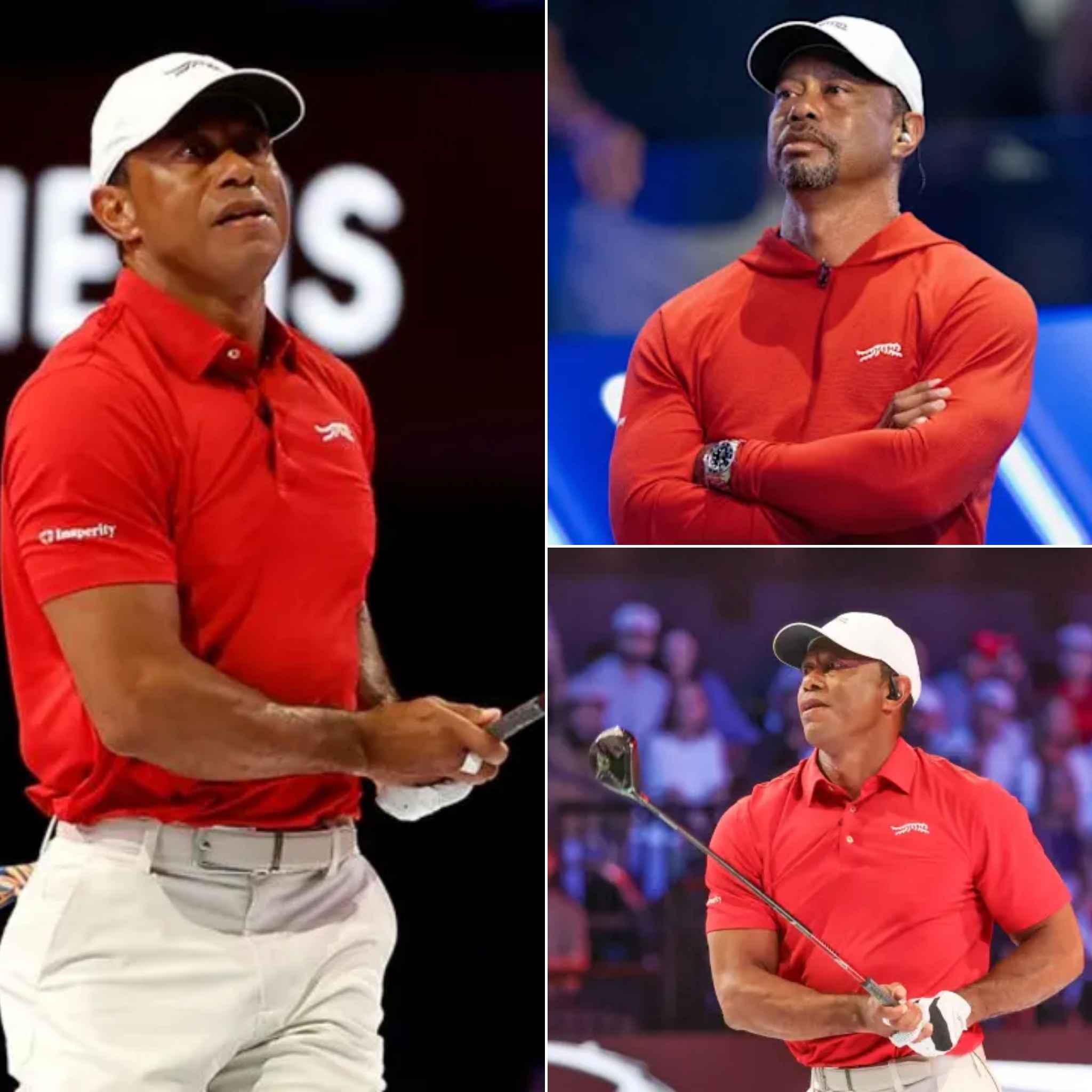
Yet, in the modern era, the boundaries of acceptable behavior on tour have increasingly come under scrutiny. In 2026, a renewed debate erupted over the emotional climate of professional golf, spurred by recent incidents at the U.S. Open, including high-profile outbursts, club throws, and a surge of visible frustration among elite players.
Amid this debate, Golf Channel analyst Brandel Chamblee has taken a bold stance, arguing that Tiger Woods, while the sport’s most influential figure, helped normalize a more emotionally expressive—and sometimes volatile—culture on tour.
Tiger Woods: Genius, Champion, and Provocateur
Chamblee’s comments focus on Woods as a generational talent whose presence reshaped the expectations of professionalism in golf.
“Tiger Woods is the greatest player ever. We all love him. Everybody got rich off of him. But he was one of the most profane golfers to ever play the game,” Chamblee said on the Golf Channel.
According to Chamblee, Woods’ influence extended far beyond his shot-making. As fans and future professionals absorbed every televised tournament, they also absorbed Woods’ on-course intensity, emotional reactions, and sometimes explosive frustration.
“Nobody ever criticized him. He skated through. They did (criticize him) to some extent. But it wasn’t prolific. And it wasn’t pervasive. And he wasn’t held to account, not the way Wyndham Clark was last year when he broke a locker,” Chamblee added.
A Culture Shift in Golf
Historically, incidents of visible frustration were rare, and public scrutiny was less intense. Jack Nicklaus, Tom Watson, and Arnold Palmer, even in their moments of challenge, maintained composure in ways that modern audiences often view as the “golf standard.” Woods, by contrast, blended extraordinary skill with intense, sometimes volatile, emotional expression.
By the mid-2000s, Woods’ outbursts became a fixture of televised golf coverage. From mid-round muttering to audible expletives after missed putts, broadcasters faced the challenge of capturing every moment while maintaining viewer decorum. Networks began implementing audio delays, anticipating that live microphones could pick up profanity—a reality made unavoidable by Woods’ high-pressure demeanor.
While some critics argued that Woods’ behavior risked overshadowing the game, Chamblee suggests that younger players internalized these displays, normalizing visible frustration as part of elite competition. Today, club throws, harsh language, and emotional outbursts are more visible than ever, a trend that many trace back to Woods’ influence.
Controversy and Modern Conduct Enforcement
Chamblee’s analysis comes in the wake of stricter conduct policies implemented by the USGA and PGA Tour. Players like Wyndham Clark, who damaged property during the 2025 U.S. Open, received public scrutiny and penalties under new rules, illustrating a shift toward enforcement that was largely absent during Woods’ peak.
“With that burden comes unimaginable wealth. It goes with the scrutiny. And composure is a skill — it’s a skill. It’s lazy to throw clubs, and it’s lazy to drop F-bombs when you know the whole world is watching,” Chamblee explained.
Critics argue that the inconsistent enforcement of these rules—where Woods often escaped public censure—has contributed to a perception of unequal treatment. This, in turn, has prompted broader discussion about accountability, legacy, and fairness in the sport.
High-Profile Incidents and Legacy Context
Examples of Woods’ on-course intensity have circulated widely. One of the most notable occurred during the 2022 Masters, when he was caught on a live microphone reacting to a missed putt with profanity. Despite the public exposure, tournament officials issued no formal discipline.
Outside the ropes, Woods’ career has been equally complex. Legal and personal challenges, including a 2017 DUI arrest in Florida, have continued to draw scrutiny. Prosecutors have sought access to medical and prescription records, while Woods’ legal team has cited privacy protections. Woods maintains his innocence and continues to contest aspects of these investigations, further contributing to his image as both a legendary athlete and a controversial figure.
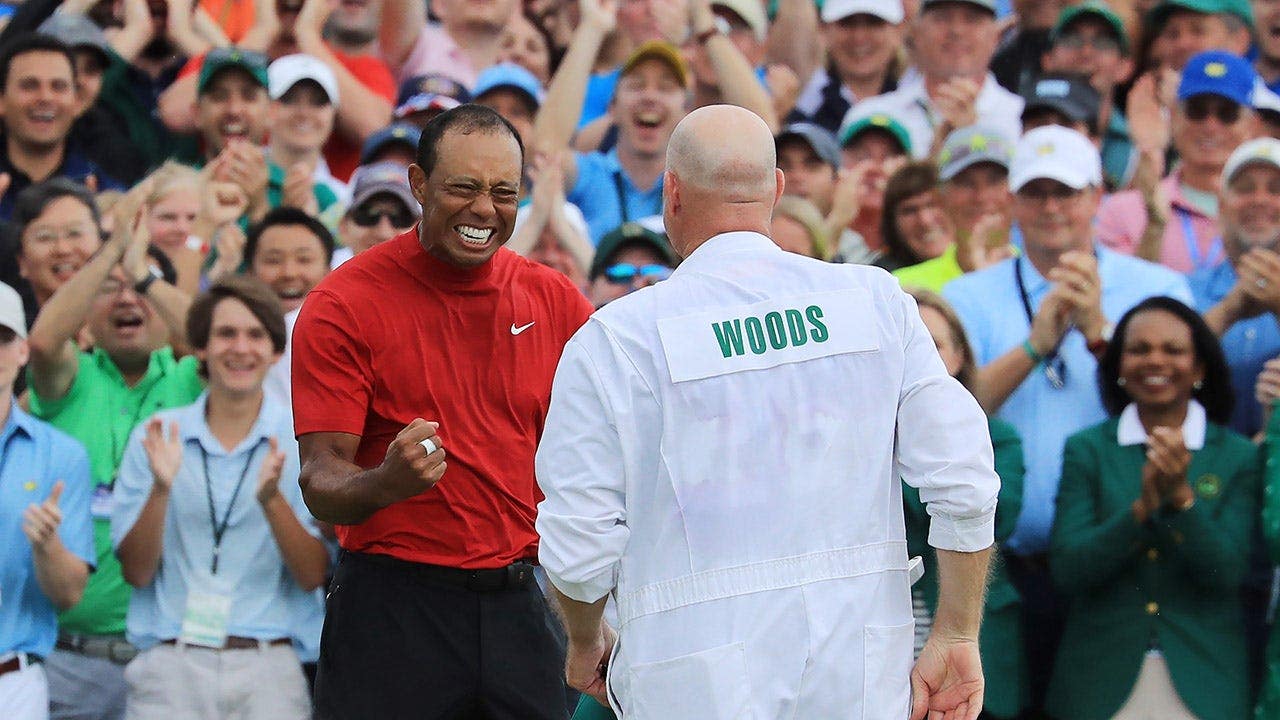
Chamblee’s point is clear: Woods’ brilliance came with a behavioral footprint that shaped expectations and norms on the tour. While admired and emulated, his emotional style also helped blur the line between passion and misconduct, setting a precedent that current stars navigate with mixed responses.
Player Influence on Tour Culture
The modern tour is shaped by a combination of talent, personality, and media exposure. Players like Rory McIlroy, Scottie Scheffler, and Wyndham Clark operate under the dual pressures of performance and public scrutiny, with conduct policies now strictly enforced. In many cases, the visibility of emotional reactions—club throws, verbal outbursts, or displays of frustration—has become a significant talking point for fans and officials alike.
Chamblee argues that Woods’ influence cannot be understated. The younger generation of professionals has grown up watching videos, highlights, and interviews, absorbing the full spectrum of Woods’ competitive persona. The normalization of visible emotion, coupled with the increased scrutiny of modern media, has created a unique tension for current players.
“Golf fans saw brilliance, but they also saw raw, unfiltered emotion. And that set expectations for what is ‘acceptable’ and what is ‘normal’ on tour today,” Chamblee said.
Balancing Passion and Professionalism
Chamblee does not excuse misconduct; rather, he contextualizes it within the evolution of the sport. Golf has always demanded focus, patience, and emotional control, yet the intensity of modern competition, amplified by media and fan attention, often produces visible human reactions. Woods’ era coincided with this media explosion, making his outbursts more visible and impactful than those of predecessors like Nicklaus or Palmer.
The conversation raises important questions: Should emotional expression be penalized, or celebrated as part of the intensity of elite competition? How can governing bodies maintain fairness and uphold the sport’s traditions while recognizing the pressures of contemporary golf?
Conclusion: Woods’ Dual Legacy
Tiger Woods’ legacy is multifaceted. On one hand, he revolutionized the game, inspired millions, and generated unprecedented attention and revenue. On the other, his visible frustration and intense emotional style created a new standard that influences how current players behave and are judged.
Chamblee’s observations underscore that while Woods’ influence was monumental, it came with consequences. The modern tour, with stricter enforcement of conduct policies and a global audience, reflects both the brilliance and the challenges of Woods’ transformative presence.
As golf continues to evolve, fans, players, and officials alike will need to navigate the complex balance between passion, professionalism, and performance—ensuring that the sport honors its traditions while adapting to a more visible, emotionally expressive era.