In a haunting tale of tragedy and injustice, Cameron Todd Willingham was executed by the state of Texas on February 17, 2004, for the alleged arson that claimed the lives of his three young daughters. The case raises profound questions about the reliability of evidence and the very nature of justice
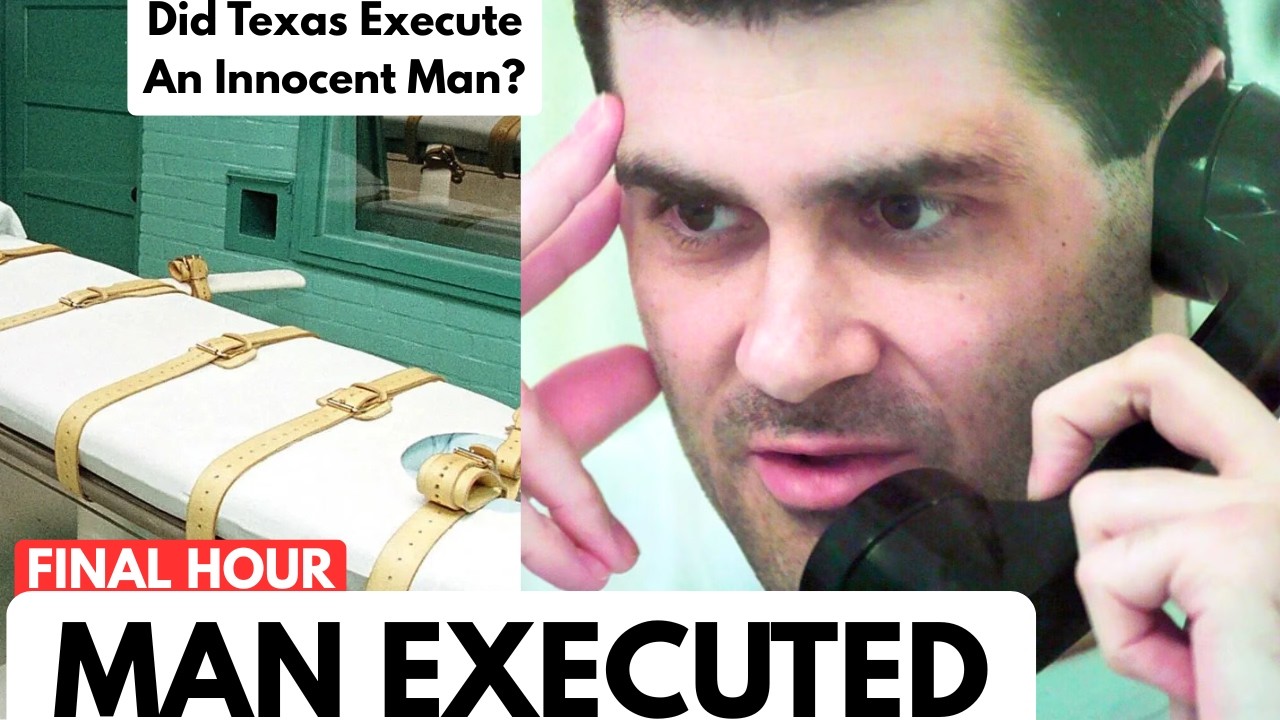 Willingham, who was just 36 at the time of his execution, had always maintained his innocence regarding the deaths of his daughters—Amber Louise, age two, and one-year-old twins Carmen Diane and Cameron Marie—who perished in a house fire on December 23, 1991. As flames engulfed their home, Willingham escaped, but tragically, his daughters did not. The state accused him of deliberately setting the fire, a claim he vehemently denied.
Born on January 9, 1968, in Ardmore, Oklahoma, Willingham’s early life was troubled. Raised by his father after his mother left when he was just 13 months old, he faced numerous challenges, including legal issues during his teenage years. By the early ’90s, he had settled in Corsicana, Texas, where he married Stacy Kikondol and welcomed three daughters into the world.
The fateful morning of the fire began with Willingham at home with his children while Stacy was out shopping. When the house caught fire, he made it out alive, but the girls tragically succumbed to smoke inhalation. Investigators soon arrived and, through their analysis of burn patterns and other evidence, concluded that the fire was intentionally set. They claimed to have found signs of accelerants, leading to Willingham’s arrest just weeks later.

During the trial in August 1992, the prosecution painted a damning picture of Willingham as a father who had committed the unthinkable. Despite being offered a plea deal that could have spared his life, he refused to confess to a crime he insisted he did not commit. The evidence against him included testimonies from fire experts and a jailhouse informant, both of which would later come under scrutiny.
As Willingham spent over a decade on death row, the science behind the arson evidence began to unravel. In 2004, just days before his execution, a report by fire scientist Dr. Gerald Hurst challenged the findings that had led to Willingham’s conviction, asserting that the fire was likely accidental. However, the Texas Board of Pardons and Paroles denied clemency, and Governor Rick Perry refused to intervene.

On the day of his execution, Willingham had a final meal that included barbecued ribs and lemon cream pie-comfort food that evoked a sense of normalcy amid the chaos. When asked for his last words, he reiterated his innocence, expressing sorrow for being wrongfully convicted. His emotional farewell was marked by a confrontation with his ex-wife, Stacy, as he expressed his anger before the lethal injection began.
As the state of Texas moved forward with the execution, the case continued to draw attention. Investigations in subsequent years revealed significant flaws in the original arson investigation and the testimony of the jailhouse informant. Experts concluded that the evidence used against Willingham was based on outdated theories and unreliable witness accounts.

Despite the mounting evidence of his innocence, no official acknowledgment has been made by the state regarding the wrongful execution of Cameron Todd Willingham. His family continues to seek justice, leaving many to wonder how a system could allow such a tragedy to unfold.
As we reflect on this heartbreaking story, one question lingers: What does it take for the justice system to confront its own failures?