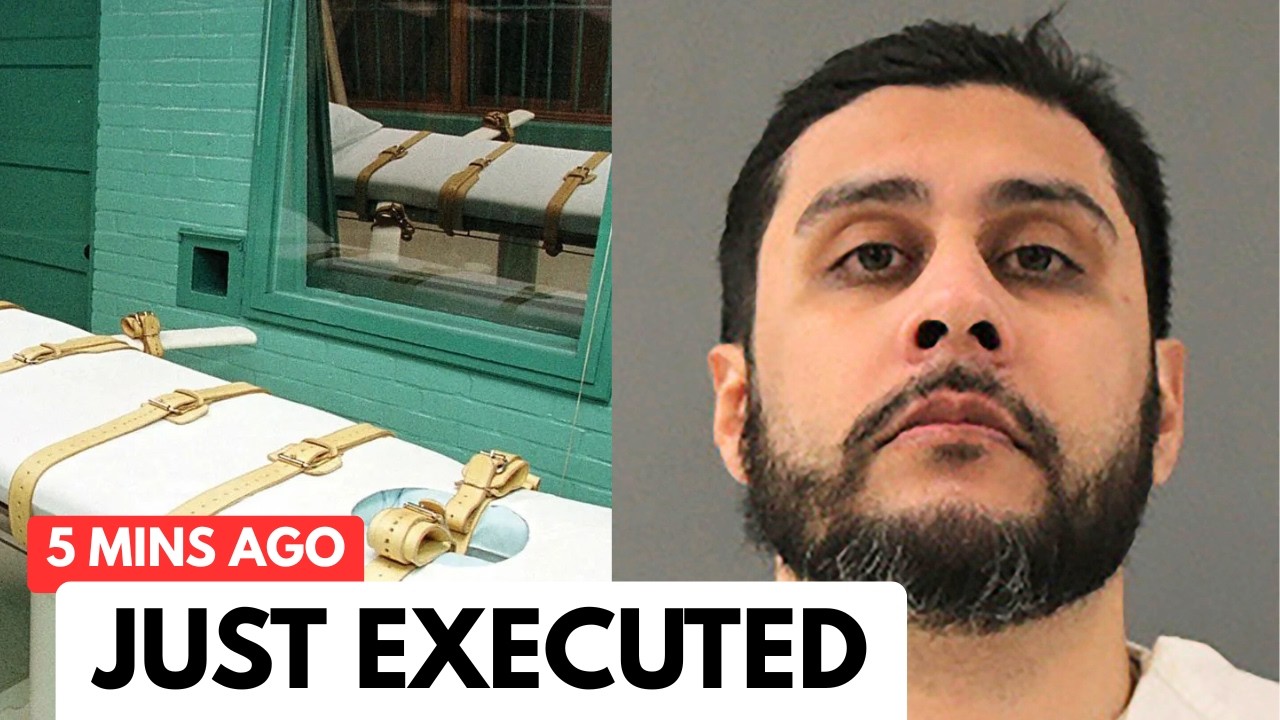
In a case that has gripped the nation for decades, Oscar Franklin Smith was executed by lethal injection on May 22, 2025, at the Riverbend Maximum Security Institution near Nashville, Tennessee. At 75 years old, Smith’s death marked the end of a tumultuous journey through the American legal system that began with a horrific crime in 1989.
 The chilling events unfolded on October 1, 1989, when a frantic 911 call from a home in Nashville was abruptly cut off. Responding officers arrived but found no immediate signs of distress and left the scene, a decision that would haunt the investigation. The next day, a 13-year-old neighbor discovered the gruesome aftermath: the lifeless bodies of Judy Smith, a 35-year-old waitress, and her two sons, Chad, 16, and Jason, 13. The scene was described by police as one of the bloodiest they had ever encountered, with evidence of a brutal and personal attack.
Judy Smith was not just a victim; she was a mother fighting to escape a violent marriage. She had initiated divorce proceedings and taken steps to protect herself and her children from Oscar Smith, her estranged husband. The tragic loss of Judy and her sons left a deep scar on their family, as they remembered them not just as victims, but as cherished individuals with dreams and aspirations.
Oscar Smith quickly emerged as the primary suspect. The couple’s tumultuous relationship was marred by violence, threats, and a history of 𝓪𝓫𝓾𝓼𝓮. Just months before the murders, Judy had filed assault warrants against him. Testimonies from co-workers revealed a man who had openly threatened Judy and her children multiple times, with chilling statements that hinted at his intentions.

The prosecution’s case against Smith was built on a series of compelling pieces of evidence, including a 911 call that allegedly captured a voice calling out his name, a bloody palm print found at the scene, and life insurance policies taken out on the victims. Despite his defense team’s efforts to challenge the evidence, Smith was convicted of three counts of first-degree murder in 1990 and sentenced to death.
However, Smith’s path to execution was anything but straightforward. Over the years, his legal team raised numerous concerns about the evidence, including the reliability of the fingerprint analysis that played a crucial role in his conviction. As new DNA testing emerged, questions about the integrity of the evidence continued to surface, revealing that the DNA on the murder weapon did not belong to Smith or the victims.

In 2022, just hours before his scheduled execution, a last-minute reprieve was granted due to issues with the lethal injection drugs. This led to renewed debates about the death penalty and the protocols surrounding it. After years of legal battles, Smith was finally given a new execution date in March 2025.
On the day of his execution, Smith declined to choose his method, resulting in lethal injection by default. In his final moments, he delivered a poignant message, asserting that the justice system was flawed and that innocent lives were at stake. His last words echoed a sentiment that many have grappled with: “I didn’t 𝓀𝒾𝓁𝓁 her.”

Following the execution, Judy’s family expressed their ongoing pain and loss, emphasizing the impact of domestic violence and the importance of seeking help. For them, this moment was not a celebration but rather a bittersweet closure to a wound that had never fully healed.
As the nation reflects on this complex case, it raises profound questions about justice, evidence, and the lives forever changed by violence. What does it mean for a system to claim to serve justice when the evidence remains in question?