Florida carried out the execution of Richard Knight on June 26, 2026, concluding a case that began with the murders of a woman and her young daughter more than two decades earlier. Knight, 47, was convicted of the June 2002 killings of Odessia Stephens and 4-year-old Hanessia Mullings in Broward County. State officials pronounced him dead at 6:13 p.m. following a lethal injection at Florida State Prison near Starke, making him the seventh person executed in Florida during 2026.

The homicide investigation began after authorities discovered the bodies of Stephens and her daughter inside the home they shared with family members. According to court records, Knight had been living in the residence with his cousin, the cousin’s girlfriend Odessia Stephens, and the couple’s daughter. Detectives learned that tensions had developed within the household, particularly regarding Knight’s continued stay at the home. Witness accounts and evidence gathered during the investigation indicated that arguments between Knight and Stephens had become increasingly frequent.
Prosecutors later argued that the violence erupted after Stephens informed Knight that he would have to move out of the residence. According to trial testimony, Knight became enraged after the confrontation. Investigators determined that Stephens was stabbed multiple times during the attack. Authorities also found evidence showing that Hanessia Mullings, who was only four years old, was attacked and killed during the same incident. Crime scene investigators spent days processing evidence and reconstructing the sequence of events leading to the deaths.
The case against Knight strengthened after his arrest. While being held in the Broward County Jail, prosecutors said Knight confessed details of the murders to another inmate. That inmate later testified during the trial, providing evidence that became an important component of the prosecution’s case. Combined with physical evidence, witness testimony, and the findings of homicide detectives, prosecutors argued that the evidence established Knight’s guilt beyond a reasonable doubt.
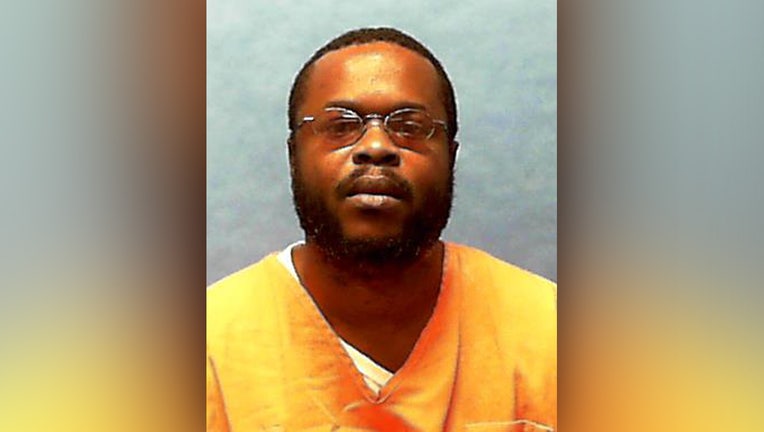
A jury ultimately convicted Knight of two counts of first-degree murder and sentenced him to death. Over the following years, the case moved through the lengthy appellate process common in capital cases. Defense attorneys challenged the conviction and sentence through state and federal courts, raising issues involving evidence, trial procedures, and Florida’s execution protocols. Courts repeatedly upheld the conviction, concluding that the verdict remained legally sound.
In the weeks leading up to the execution, Knight pursued additional appeals, including arguments involving an unidentified fingerprint recovered from a knife at the crime scene. The Florida Supreme Court rejected those claims, ruling that the fingerprint evidence had been known and litigated during the original trial. The court also dismissed challenges related to the state’s execution procedures. Hours before the scheduled execution, the United States Supreme Court denied a final request for relief, clearing the way for the sentence to proceed.
According to Florida Department of Corrections officials, Knight declined a final meal and chose not to receive visitors or meet with a spiritual adviser before the execution. With the completion of the sentence, the case reached its final legal chapter nearly 24 years after the murders. For investigators and the victims’ family, the case remains a tragic example of how a domestic dispute escalated into a double homicide that claimed the lives of a young mother and her child, leading to decades of legal proceedings before the sentence was ultimately carried out.