U.S. Army Major Nidal Malik Hasan Faces Execution Over Fort Hood Shooting
WASHINGTON, D.C.—The case of Nidal Malik Hasan, the Army major convicted of the 2009 Fort Hood shooting, is once again in the national spotlight as developments indicate he may face execution. Hasan’s attack, which killed 13 people and wounded more than 30 others, remains one of the deadliest attacks on U.S. military soil in recent history.
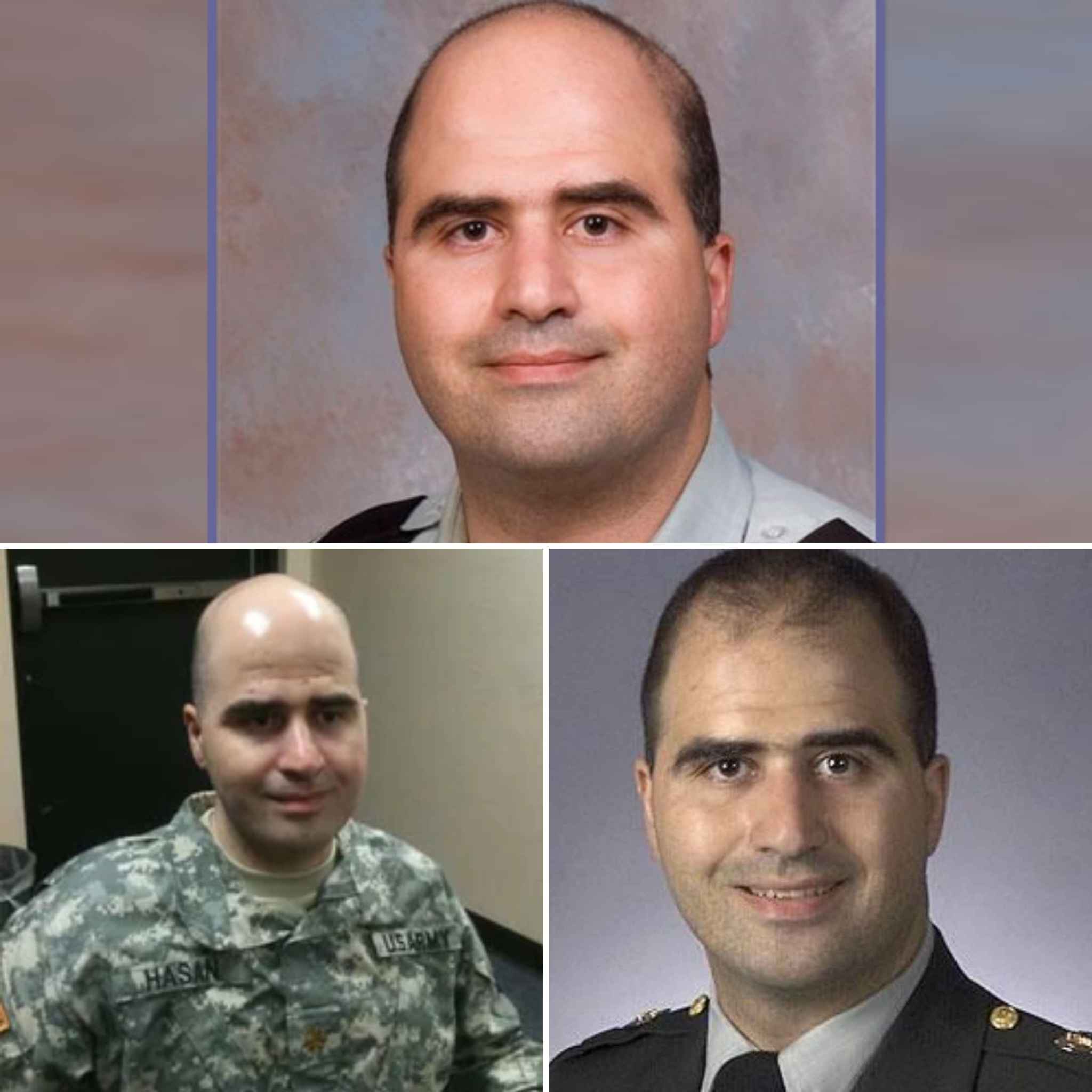
The tragedy has long been surrounded by controversy, in part because some officials and observers claim warnings about Hasan’s behavior and intentions were known before the attack. As the legal proceedings resume, questions about responsibility, prevention, and justice continue to spark intense public debate.
The Fort Hood Shooting
On November 5, 2009, Nidal Malik Hasan, then a major in the U.S. Army, opened fire at Fort Hood, Texas, targeting fellow service members. The attack killed 13 and injured dozens, many of whom were soldiers preparing for deployment.
Hasan’s background, including his work as an Army psychiatrist, allowed him to access the base without raising initial suspicion. His knowledge of military procedures and psychology of soldiers contributed to the devastating efficiency of the attack.
Warnings and Missed Opportunities
In the years following the attack, multiple investigations revealed signs and warnings that Hasan may have posed a risk. Some colleagues reported concerns about his extremist views and communications with individuals linked to violent ideologies.
Critics argue that these warnings were either ignored or insufficiently acted upon, raising questions about whether proper intervention could have prevented the attack. Supporters of Hasan’s prosecution assert that, regardless of prior warnings, his actions were premeditated and deliberate.
Legal Proceedings and Conviction
Hasan was arrested immediately after the attack and charged with 13 counts of premeditated murder and numerous counts of attempted murder.
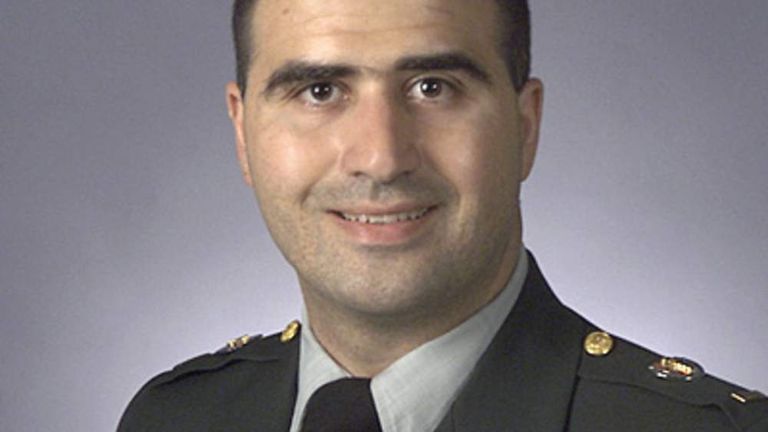
After a lengthy trial, Hasan was convicted and sentenced to death under the federal military justice system. His case has been subject to appeals and legal review for over a decade, reflecting the complexities of capital punishment in military courts and the high-profile nature of the crime.
Debate Over Execution
The potential execution of Hasan has reignited national discussion on several fronts:
- Justice vs. mercy: Supporters of the death sentence argue that Hasan’s actions were unforgivable and that execution is the only appropriate punishment.
- Systemic accountability: Others focus on the alleged missed warnings and question whether the military and intelligence communities could have acted to prevent the massacre.
- Prevention lessons: Experts highlight Hasan’s case as a critical example for understanding radicalization within the military and the importance of early intervention.
The upcoming proceedings will not only determine Hasan’s fate but also influence policy debates on security, intelligence, and the handling of extremist behavior in sensitive environments.
Legacy and Continuing Questions
The Fort Hood shooting has left a lasting mark on the U.S. military and American public. Memorials at the base honor the 13 who were killed, while survivors and families continue to process the trauma of that day.
The case continues to prompt difficult questions: could the attack have been prevented? Does justice equate to execution after more than a decade of appeals? And how should the military address threats from within its own ranks?
Conclusion
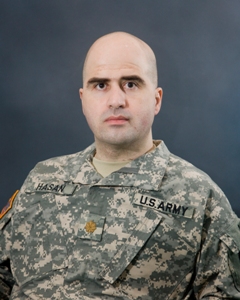
As Major Nidal Malik Hasan faces possible execution, the nation revisits a tragedy that shook the U.S. military. The case underscores enduring challenges in balancing justice, prevention, and accountability, while grappling with the moral and legal implications of capital punishment.
⚖️ Should executions for crimes like this proceed despite systemic failures that may have contributed to the tragedy, or should broader context influence sentencing? How do we balance justice for victims with lessons learned to prevent future attacks?
The story of Fort Hood remains a somber reminder of both human vulnerability and the lasting consequences of violence within institutions entrusted with national security.