Cleopatra VII Philopator, the last active ruler of the Ptolemaic Kingdom of Egypt, remains one of ancient history’s most studied figures. She reigned from 51 BCE until her death in 30 BCE and is remembered for her political alliances, linguistic skills, and cultural impact.
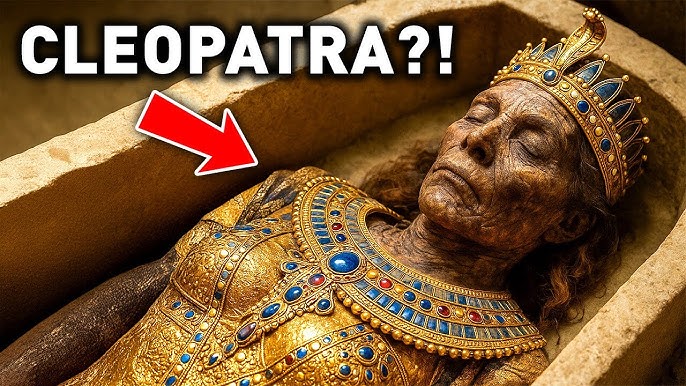
Because no confirmed tomb of Cleopatra has been found, there are no reliably identified remains of her or her immediate family that can be tested directly for DNA. Attempts to associate skeletal material with members of her dynasty have so far been inconclusive or disproven.
One well‑known case involved a skull discovered in Ephesus (modern‑day Turkey) in 1929 that was long speculated to be the remains of Cleopatra’s half‑sister, Arsinoë IV — who was historically executed on Mark Antony’s orders after a failed uprising. Initial assumptions were based on tomb context and morphology, but modern DNA and radiocarbon analysis showed the skeleton belonged to an 11‑to‑14‑year‑old boy, not Arsinoë.
Because this male individual was not part of Cleopatra’s known family line, the find does not provide usable genetic evidence about Cleopatra’s ancestry or health. As a result, current DNA studies do not overturn established historical understanding but rather refine how archaeologists interpret past material.
Historical and genetic research suggests that Cleopatra belonged to the Ptolemaic dynasty, a Macedonian Greek ruling family established after Alexander the Great’s conquests. The Ptolemies intermarried over generations, leading to a distinctive family lineage that remained ethnically Greek in origin even while ruling Egypt.
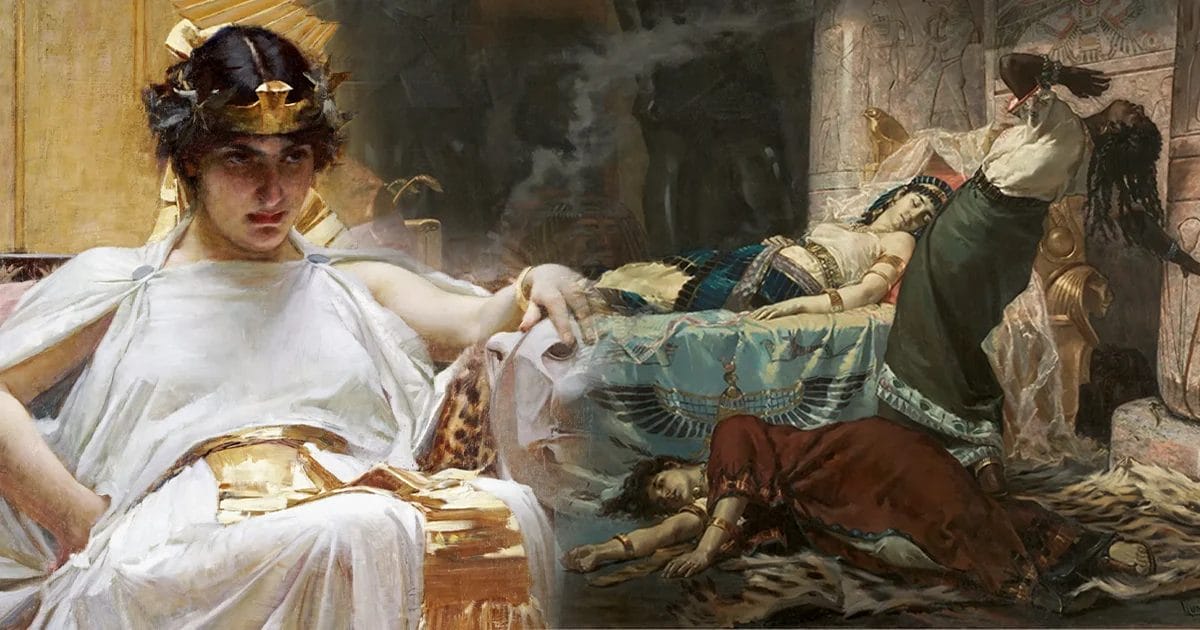
In popular media there are frequent claims about “shocking DNA revelations,” but historians emphasize that without definitive skeletal material securely identified as belonging to Cleopatra or close relatives, any conclusions about her genetic background remain speculative. What scientists can say with confidence is that remains once thought to be linked to her family have been corrected by careful genetic testing.
Ongoing archaeological work, including at sites like Taposiris Magna near Alexandria where coins and other artifacts associated with Cleopatra have been found, continues to fuel interest and scholarly investigation into her life and burial. However, locating her actual tomb and direct DNA remains an open challenge for the future.