Tiger Woods Makes Silent Return on PGA Tour After Rehab as CEO Prepares Major Restructuring – Report
It has been a tumultuous first half of 2026 for Tiger Woods. From the DUI arrest in March to a months-long rehab program in Switzerland, the 15-time major champion has navigated one of the most challenging periods of his life — both professionally and personally. After stepping away from public duties earlier this year to focus on recovery, Woods made his first significant return to professional golf on June 22, not on the tee, but in a Connecticut boardroom, helping to shape the future of the PGA Tour.
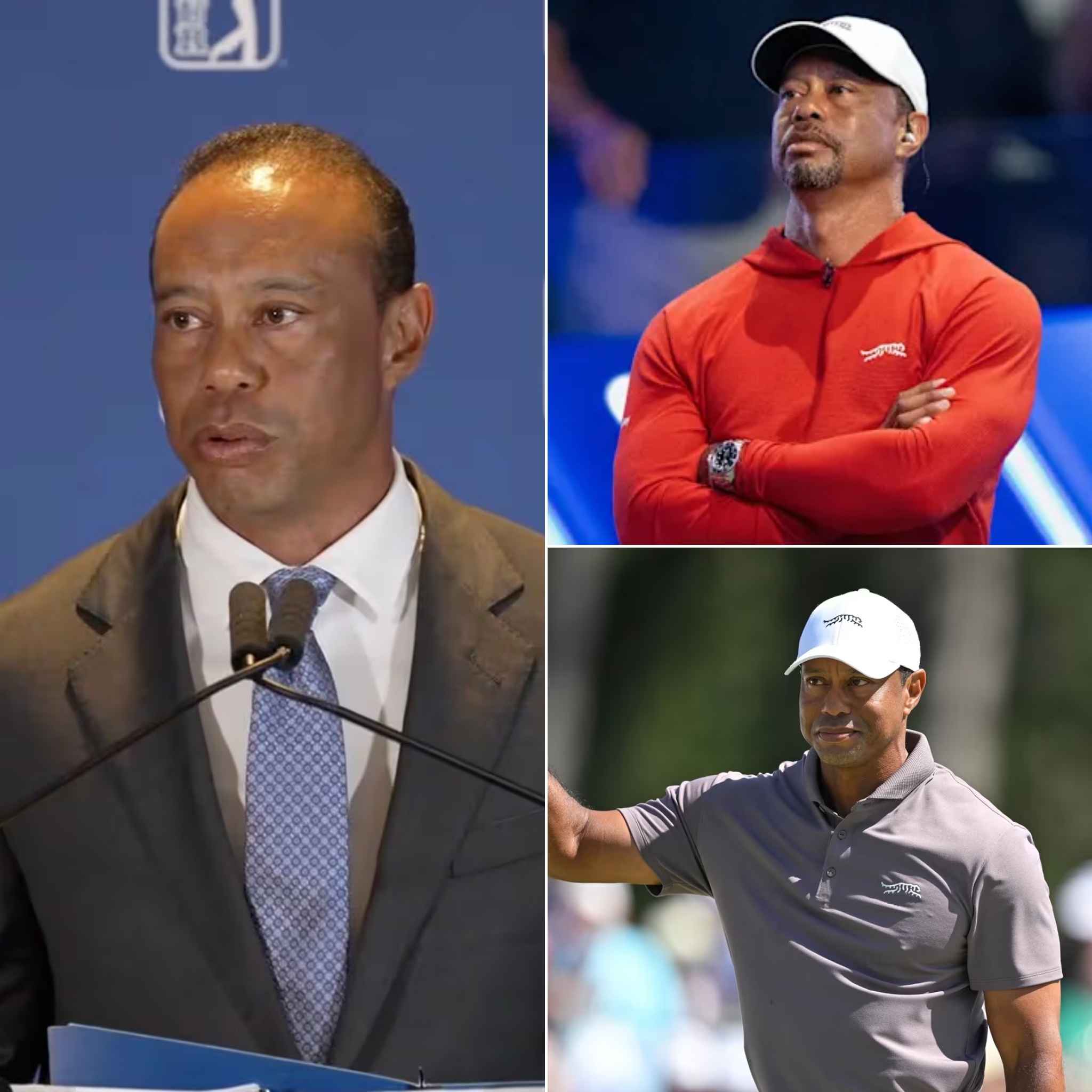
While the golfing world has been closely watching him for signs of a comeback on the course, his presence in the boardroom signifies a different kind of influence: one that could redefine competitive golf for years to come.
A Return to Influence
According to NUCLR GOLF, Woods was in attendance as the PGA Tour policy board convened to vote on major schedule changes. “The PGA Tour policy board is voting today on the future of its schedule changes in Connecticut. Tiger Woods is also in attendance for the vote today as CEO Brian Rolapp prepares to announce sweeping changes at a press conference tomorrow,” the outlet reported on X.
This marks the first time Woods has returned to official PGA Tour business after taking time off to prioritize his health and legal obligations. His role in these discussions is far from ceremonial. As Chairman of the Future Competition Committee, a nine-member task force established by Rolapp, Woods helps oversee a comprehensive restructuring of the tour’s competitive framework. His vote carries weight, and his presence signals his intent to remain an influential figure off the course even as he recovers physically.
The Committee and Proposed Changes
The Future Competition Committee has been hard at work for months, analyzing ways to modernize and streamline professional golf. According to multiple media reports, including Golf Channel, the committee has drafted a proposal that could reshape the PGA Tour by 2028, introducing a two-tiered system of events:
- Track 1: 15–18 elite events plus the four majors, with reduced fields of 120–130 players.
- Track 2: Secondary events that allow lower-ranked players to compete for points and status, with entry determined through the DP World Tour and a points system.
The plan also calls for a shortened postseason, reducing the number of playoff events to just two, and creating a more competitive, merit-based environment where only the top 90 players in season standings retain their Track 1 status. This reorganization is designed to incentivize performance while ensuring that marquee events showcase the best players in the world.
Image suggestion 1: Tiger Woods in a business suit walking into a PGA Tour boardroom, symbolizing his off-course influence.
Rolapp has been clear about his vision. Speaking during the Players Championship in March, he noted: “We expect to make more meaningful progress by this summer, and following our June 22 board meeting, I plan to host another press conference at the Travelers Championship.” With Woods’ participation, that vision moves one step closer to reality.
Context: Tiger’s 2026 Struggles
The backdrop for Woods’ return cannot be understated. On March 27, 2026, Woods’ SUV overturned in Jupiter Island, Florida, after colliding with a trailer being hauled by a truck. He was arrested for DUI and refusal to submit to a lawful test, prompting widespread media coverage and speculation about his future in golf.
Complicating matters, Woods’ legal team demanded a jury trial, extending the uncertainty surrounding his personal and professional life. Amid the public scrutiny, Woods entered a structured rehabilitation program in Switzerland, focusing on both mental and physical health. He returned to Florida briefly in May to support girlfriend Vanessa Trump during her breast cancer diagnosis and her daughter Kai’s high school graduation, according to multiple sources close to the golfer.
“He is doing what is necessary to get healthy and move forward in his life,” a source told PEOPLE. “Tiger is very much on golf’s mind. He is not a quitter.”
Strategic Absence: Choosing the Boardroom Over the Green

Woods’ absence from active tournament play this year has left a vacuum in professional golf, one that younger stars like Scottie Scheffler and Wyndham Clark have eagerly filled. However, by focusing on policy and tour restructuring, Woods ensures his influence remains substantial. The decision to engage in governance reflects a recognition that his contributions to golf extend beyond performance: he is shaping the very framework in which the next generation competes.
“The original plan was for Tiger to do a three-month rehab program, which should stay on target unless something major changes,” a source told PEOPLE. “Tiger is doing the best he can with all of the pressure on him, with healing, and also with the legal issues he faces in the coming months. This has created a great deal of stress.”
Image suggestion 2: A conceptual image of a PGA Tour board meeting, with golf branding and charts indicating schedule restructuring.
The Influence of Woods’ Vote
As chairman of the Future Competition Committee, Woods is tasked with helping guide policy decisions that may redefine tournament scheduling, player eligibility, and the overall structure of professional golf. His experience as one of the sport’s greatest competitors provides unique insight into player needs, while his reputation commands attention from board members and executives alike.
Among the key decisions likely to be influenced by Woods’ vote:
- Two-Tier Event System: Ensuring the top 120–130 players compete in the most prestigious events, creating a more consistent showcase for sponsors and broadcasters.
- Eligibility for Track 1: Determining whether the points system fairly reflects player performance, providing opportunities for emerging talent without compromising the elite field.
- Postseason Restructuring: Balancing the playoff schedule to maintain competitive drama while reducing player fatigue.
- Global Integration: Coordinating with the DP World Tour to allow cross-tour participation, increasing international exposure and growth opportunities for the sport.

Woods’ Vision for Modern Golf
Sources close to the situation report that Woods is advocating for a balance between tradition and modernization. While he respects golf’s rich history, he understands the need to make the tour more engaging for fans, more efficient for players, and more appealing for sponsors.
“Golf is evolving,” one insider said. “Tiger’s presence in these meetings isn’t just symbolic. He’s weighing in on critical matters like field size, scheduling, and global engagement. His reputation ensures that his perspective is considered seriously.”
Fan and Media Reactions
Woods’ quiet return to the boardroom has generated mixed reactions among fans. While many celebrate his involvement as a sign that he remains an integral part of golf’s ecosystem, others express concern that he is stepping away from competition at a time when younger stars are emerging.
Social media commentary has reflected both excitement and skepticism:
- “Good to see Tiger making moves behind the scenes — the game needs his guidance.”
- “I miss watching him play, but the tour is lucky he’s shaping its future.”
- “Is Tiger focusing on rehab or governance? Hard to tell sometimes.”
Despite the varying opinions, Woods’ presence underscores his dual legacy: one as a player and another as a steward of the sport.
Looking Ahead: What This Means for the Tour
The June 22 board meeting is likely only the first step in a series of major announcements. Brian Rolapp is expected to reveal sweeping changes to the PGA Tour’s competitive structure at a press conference during the Travelers Championship. With Woods contributing to the policy discussions, these changes may carry more credibility among players, fans, and broadcasters.
Key takeaways include:
- Player-Centric Decisions: Woods’ input is helping ensure that schedule changes prioritize player welfare, competition, and career longevity.
- Long-Term Planning: By 2028, the PGA Tour could operate under a structure that maintains elite competition while offering opportunities for emerging talents.
- Balancing Legacy and Innovation: Woods’ return demonstrates the delicate task of modernizing the tour while respecting the history and traditions that define it.
Conclusion: A Return with Purpose
Tiger Woods’ June 22 appearance in Connecticut is a statement. He may not be swinging a club competitively just yet, but he is shaping the trajectory of professional golf for the years to come. The combination of his experience, reputation, and influence makes him a powerful force in the boardroom — even while his comeback on the course remains in progress.
As the PGA Tour debates the implementation of a two-tier system, shorter playoffs, and global integration, Woods’ vote and presence send a clear message: he remains central to the sport, not just as a champion but as a steward of its future. For fans and players alike, this behind-the-scenes involvement could prove just as impactful as any of his major victories.
For now, the world watches as Tiger Woods navigates rehab, legal challenges, and governance — a multi-faceted return that could shape professional golf for decades.
Image suggestion 3: Tiger Woods reviewing PGA Tour schedule documents with board members, illustrating his hands-on role in future planning.