The execution of Marion Bowman Jr. marked the first execution carried out in the United States in 2025 and closed a case that had moved through the courts for more than two decades. Bowman, 44, was convicted of the 2001 murder of Kandee Martin, a 21-year-old woman from Dorchester County, South Carolina. On January 31, 2025, South Carolina carried out his death sentence by lethal injection at Broad River Correctional Institution after state and federal courts rejected his final appeals.

The investigation began in February 2001 when Martin disappeared from the Branchville area. Family members and friends became concerned after she failed to return home. Detectives soon launched a missing-person investigation that escalated when Martin’s burned vehicle was discovered. Inside the trunk, investigators found her body. An autopsy revealed that she had been shot, transforming the case into a homicide investigation. Authorities immediately began interviewing witnesses and examining Martin’s final known movements.
As investigators reconstructed the timeline, attention focused on Marion Bowman Jr., a former acquaintance of Martin. Prosecutors alleged that Bowman shot Martin on the night of February 16, 2001. Trial testimony indicated that he later returned to the area, moved her body, placed it inside the trunk of her Ford Escort, and set the vehicle on fire in an effort to conceal the crime. Detectives relied on witness testimony, physical evidence, and statements gathered during the investigation to build the case presented at trial.
The prosecution argued that the killing was connected to a dispute involving money, although details surrounding the motive were debated throughout the years of litigation. Jurors ultimately convicted Bowman of murder and sentenced him to death. Following the conviction, the case entered the lengthy appellate process typical of capital punishment cases. Bowman consistently maintained his innocence and argued through multiple appeals that he had been wrongfully convicted.
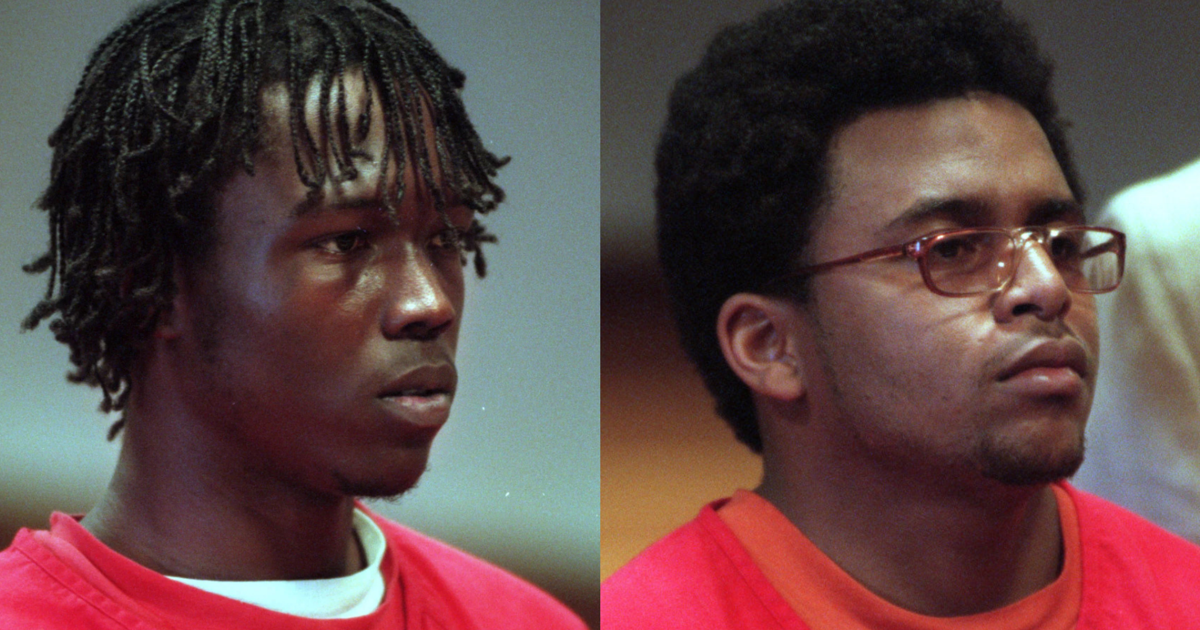
In the months leading up to his execution, Bowman’s attorneys continued filing appeals in state and federal courts, raising issues related to evidence, trial representation, and the fairness of the proceedings. Those efforts were unsuccessful. The U.S. Supreme Court and federal appellate courts declined to intervene, allowing South Carolina officials to proceed with the execution. Bowman also chose not to seek clemency from Governor Henry McMaster after his final legal options were exhausted.
Before his execution, Bowman requested an extensive final meal that included fried shrimp, fish, oysters, chicken wings, chicken tenders, onion rings, banana pudding, German chocolate cake, cranberry juice, and pineapple juice. Prison officials reported that he ate the meal several days before the execution and spent his remaining time writing letters and meeting with supporters.
Bowman was executed by lethal injection and pronounced dead at 6:27 p.m. In his final statement, he continued to maintain that he was innocent of killing Kandee Martin while also expressing sympathy for her family and acknowledging their pain. Martin’s family later stated that they believed justice had been served. The case remains one of South Carolina’s most closely followed death penalty prosecutions, remembered both for the lengthy legal battle that followed and for the investigation that began with the disappearance of a young mother whose life ended just days before her son’s second birthday.