In a haunting conclusion to a tragic case, Derrick Dearman was executed by lethal injection on October 17, 2024, at the William C. Holman Correctional Facility in Atmore, Alabama. The 36-year-old did not resist his fate, reportedly expressing a desire for closure for the families of his victims.
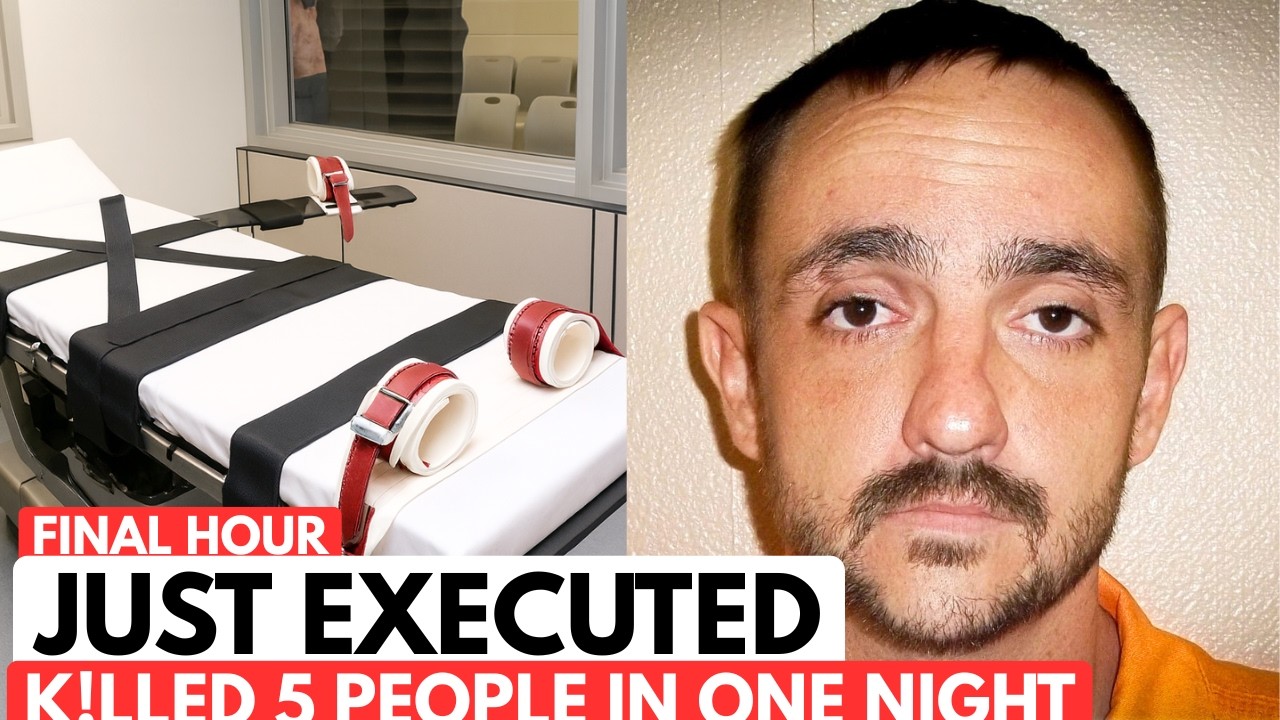 Dearman’s journey to this moment began on August 20, 2016, when he committed a horrific act that would leave five people dead in a single night. His life, marked by a history of addiction and violence, culminated in what investigators would later call the worst mass killing in Mobile County’s history.
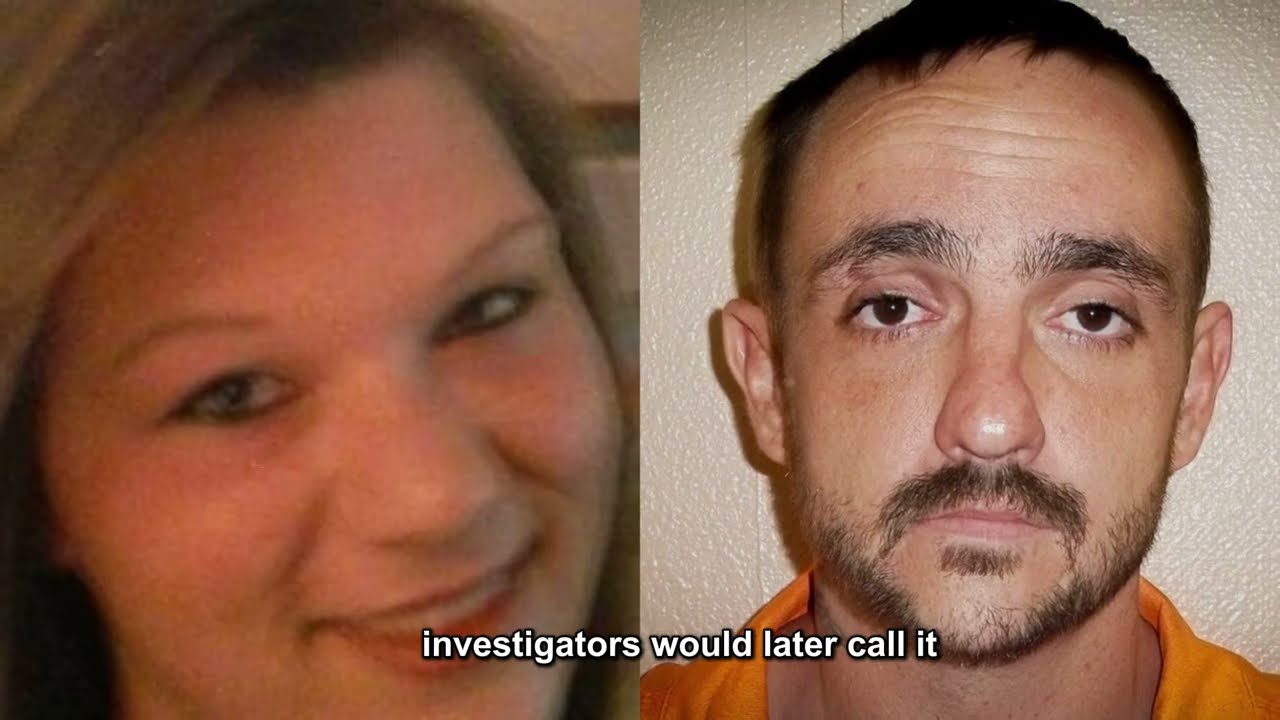
Born on September 14, 1988, in Greene County, Mississippi, Dearman grew up in a seemingly ordinary town. However, beneath the surface, his life was anything but stable. Described by his ex-wife as having a volatile temper, he struggled with a severe methamphetamine addiction that dominated his adult life. His tumultuous relationship with Lanita Lester, marked by violence, foreshadowed the tragedy to come.
In August 2016, after fleeing to her brother’s home in Citronelle, Alabama, Lester unwittingly placed her family in grave danger. Dearman, who had been lurking nearby, returned to the house after being asked to leave. Despite police patrols, he remained undetected, waiting for the right moment to strike.

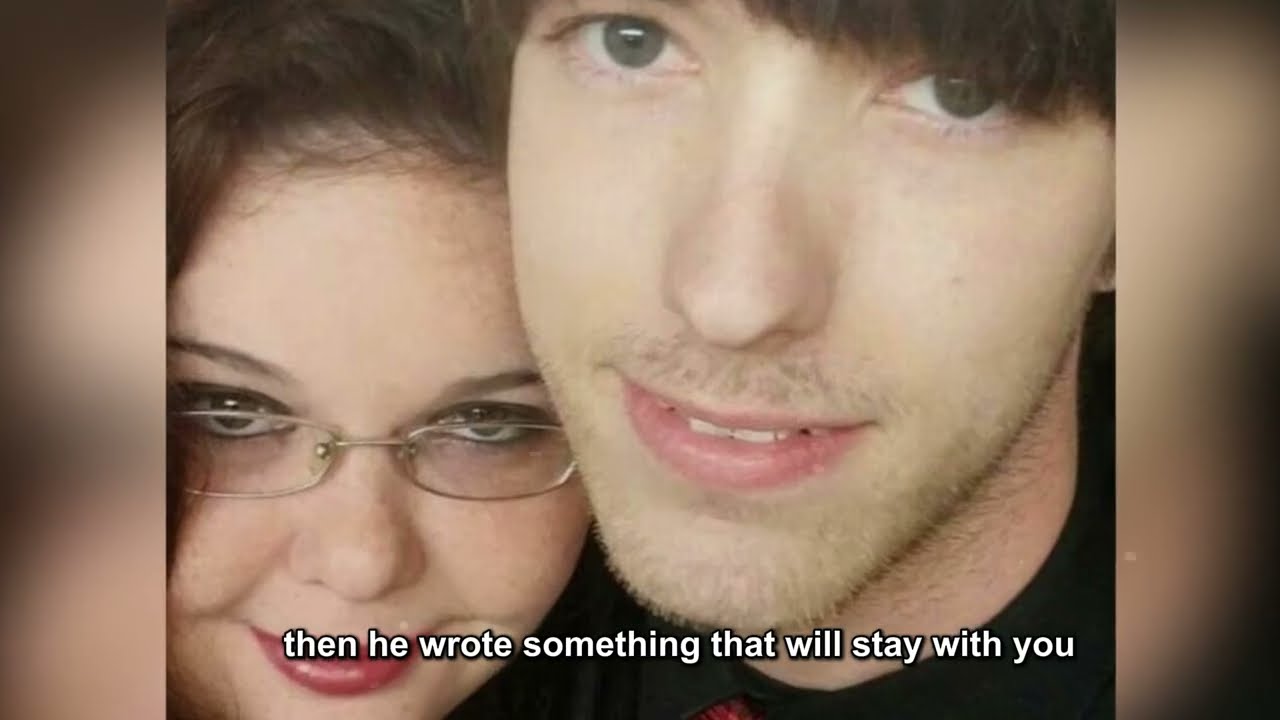
Early on that fateful morning, he broke into the home armed with an axe. One by one, he attacked the occupants—his actions methodical and brutal. He killed Robert Lee Brown, Joseph Turner, Shannon Randall, and the young couple Justin and Chelsea Reed, who was pregnant. The only survivor was Lanita, who he later abducted along with a 3-month-old infant.
Following the murders, Dearman fled to Mississippi, where he was eventually apprehended after his father persuaded him to surrender. Charged with multiple counts of capital murder and kidnapping, his trial revealed a complicated narrative of mental illness and addiction. Despite the efforts of his family to plead for mercy, the jury unanimously recommended a death sentence.
As the execution date approached, Dearman expressed his readiness to face the consequences of his actions. In his final days, he communicated with family and wrote letters, emphasizing his desire for the victims’ families to find closure. On the day of his execution, he chose a simple seafood platter as his last meal.
When given the opportunity to speak before the execution, Dearman turned towards the victims’ families and offered a heartfelt apology, stating, “This is not for me. This is for you. I’ve taken so much.” His words echoed in the chamber, where emotions ran high as his father called out in despair.
At 6:14 p.m., Dearman was pronounced dead, closing a chapter on a case that had left deep scars on multiple families. In the aftermath, the families of the victims expressed their sorrow, with one father reflecting on the loss of his loved ones and the absence of closure that the execution could not provide.
As the dust settles on this tragic story, questions linger about justice, accountability, and the complexities of mental health. What does it mean when someone takes responsibility for their actions in such a profound way? The debate continues, and the conversation is far from over.