In a case that has haunted a family for nearly five decades, James Ernest Hitchcock was executed on April 30, 2026, at Florida State Prison. The 70-year-old had spent almost his entire adult life on death row for the tragic murder of his young niece, Cynthia Driggers, who was just 13 years old when her life was cut short.
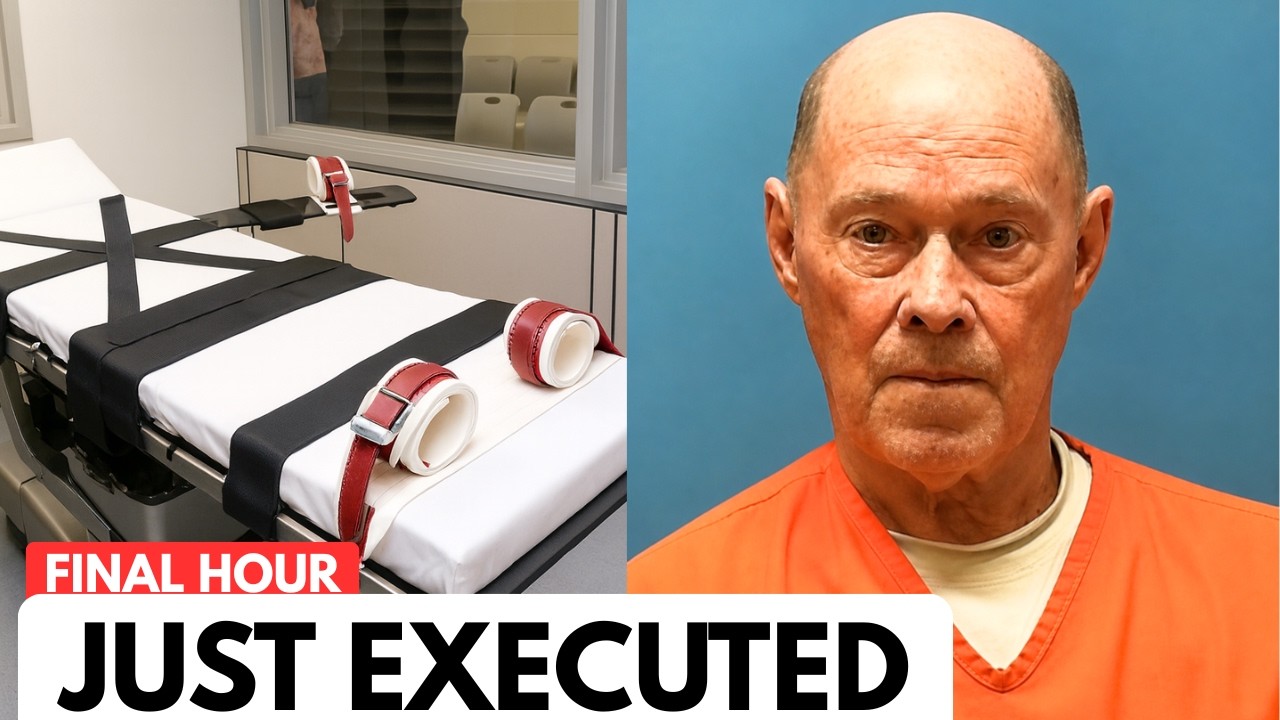 Hitchcock’s execution marks the end of a long and painful journey for the Driggers family, who have waited decades for justice. Cynthia’s mother, who endured years of legal battles, expressed her hope for closure as the death warrant was signed. The emotional toll of this case has been profound, with family members describing the legal process as an unending loop of appeals and delays.
Born on April 5, 1956, in Arkansas, Hitchcock’s childhood was fraught with hardship. Growing up in a large, struggling family, he faced numerous challenges, including the death of his father. By the summer of 1976, he had moved to Florida to live with his brother, Richard, where a horrific crime would unfold.
On the night of July 31, 1976, after a night of drinking and 𝒹𝓇𝓊𝑔 use, Hitchcock entered Cynthia’s room. According to his confession, he assaulted her, and when she threatened to tell her mother, he allegedly choked her and left her body in the bushes outside. The following morning, Cynthia was discovered, and Hitchcock was arrested shortly after.

Despite his confession, the case took a dramatic turn during the trial. Hitchcock retracted his admission, claiming the encounter was consensual and that his brother was the real killer. However, the jury found him guilty of first-degree murder, and he received the death penalty at just 20 years old.
What followed was a protracted legal saga that saw Hitchcock sentenced to death four times. His case became a significant legal precedent after a landmark Supreme Court ruling in 1987, which mandated that juries must consider all mitigating evidence during sentencing. This ruling not only impacted Hitchcock but also opened the door for other inmates on death row.

Hitchcock’s journey through the legal system was marked by numerous appeals and resentencing hearings. Each time, he maintained his innocence, insisting that his brother was responsible for Cynthia’s death. Yet, the courts upheld his convictions, and he remained on death row for decades.
As the years passed, Hitchcock’s case became emblematic of the complexities and challenges within the American justice system. His final meal before execution included a salad, chicken, ice cream, pie, and soda, and he had a brief visit from a family member believed to be a cousin.

When the moment of execution arrived, Hitchcock was asked if he had any last words. He looked up and simply said goodbye to a friend named Joshua, leaving behind no confession or apology for the Driggers family. As the lethal injection began, witnesses observed the somber scene in silence, reflecting on the weight of the moment.
At 6:12 p.m., James Ernest Hitchcock was pronounced dead. For the Driggers family, this day was the culmination of a long fight for justice, a painful chapter finally closed after 50 years. As discussions about the death penalty continue, one question lingers: did the justice system truly serve its purpose in this case, or did it falter along the way?