A California court has sentenced Stephen Vincent Chavez, 41, to one year in the Ventura County Jail and three years of felony probation after he pleaded guilty to incest and furnishing alcohol to his biological daughter, 18-year-old Makayla Rene Settles. The sentencing follows an investigation that began after Settles died by suicide in December 2025, months after prosecutors say Chavez sexually assaulted her while she was intoxicated. Although Chavez was not charged in connection with her death, the criminal case centered on the sexual abuse and abuse of trust that investigators alleged occurred months earlier.
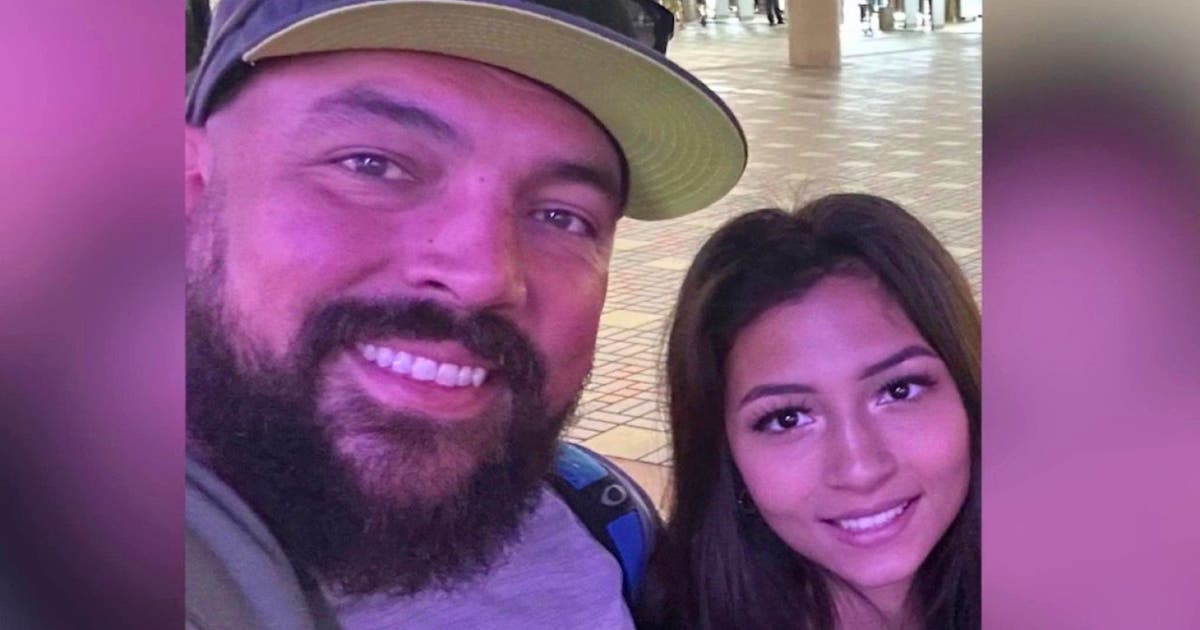
According to the Ventura County District Attorney’s Office, the investigation determined that Settles had moved from North Carolina to California in July 2025 in an effort to begin a new chapter in her life while staying at her father’s residence. Detectives later learned that following a family gathering, Chavez allegedly purchased additional alcohol for himself and his daughter after the two returned home. Prosecutors alleged that while she was intoxicated, Chavez engaged in sexual intercourse with her, prompting a criminal investigation after the allegations came to light.
Investigators interviewed family members, gathered witness statements, and reviewed evidence documenting the relationship between Chavez and his daughter in the months before her death. Prosecutors alleged that Chavez exploited his position of trust as Makayla’s father and took advantage of her vulnerability. The investigation ultimately led to felony charges, with authorities arguing that the abuse had profound and lasting consequences for the young woman.
In May 2026, Chavez entered guilty pleas to incest and providing alcohol to his daughter. As part of the plea proceedings, he admitted to sentencing enhancements acknowledging that he had abused a position of trust and that the victim was particularly vulnerable. Those admissions became significant factors during sentencing, where prosecutors sought the maximum prison term permitted under the plea agreement.
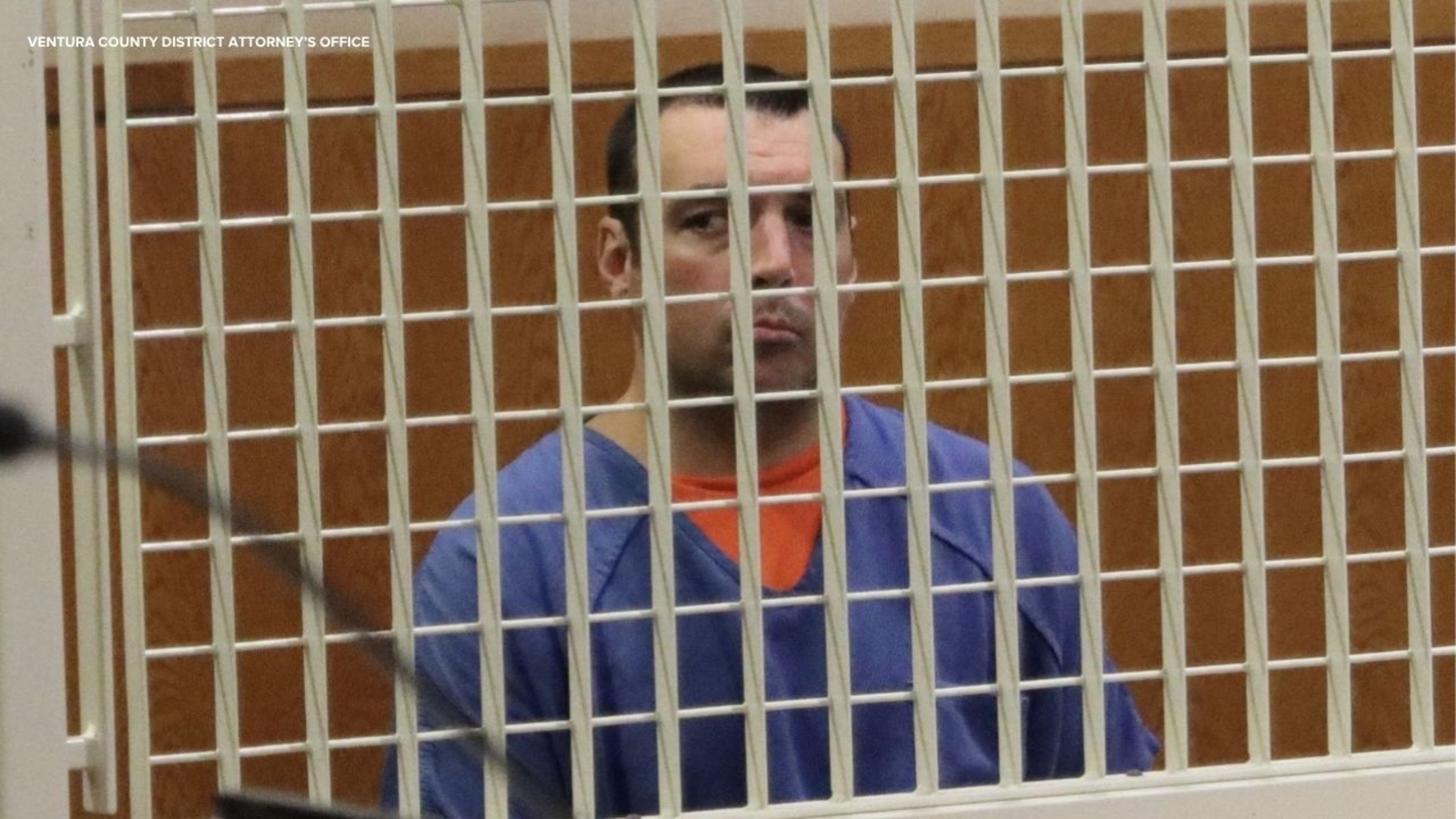
During the sentencing hearing, members of Makayla Settles’ family delivered emotional victim impact statements describing the lasting trauma caused by Chavez’s actions and the devastating loss of their daughter. Prosecutors argued that a state prison sentence was warranted because the crimes involved both a parental betrayal and the exploitation of a vulnerable victim. The court ultimately imposed a sentence of one year in county jail followed by three years of felony probation, a punishment that was less severe than the prison term requested by the prosecution.
Following the hearing, Ventura County prosecutors publicly expressed disappointment with the outcome, stating that they believed a state prison sentence would have more appropriately reflected the seriousness of the offenses. Defense attorneys did not dispute the guilty plea but successfully argued for the sentence ultimately imposed by the court. Because the case was resolved through a plea agreement, the matter did not proceed to trial.
The case has drawn widespread attention because it involved the abuse of a parent-child relationship and the tragic death of the victim months after the crimes occurred. While Chavez was not prosecuted for causing Makayla Settles’ suicide, investigators and prosecutors emphasized that the criminal charges focused on the admitted acts of incest, supplying alcohol to the victim, and violating a position of parental trust. The case stands as a reminder of the profound consequences that abuse within a family can have and highlights the challenges prosecutors face when pursuing justice in cases involving vulnerable victims and deeply personal crimes.