CASE FILE: CYNTHIA COFFMAN — THE CALIFORNIA DEATH ROW “BLACK WIDOW” AND THE 5-WEEK REIGN OF TERROR
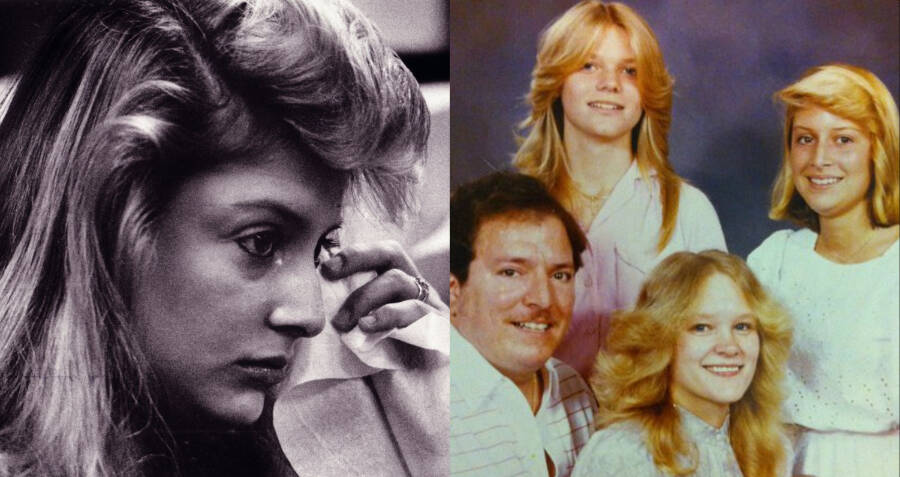
In the summer of 1986, California was not prepared for what was about to unfold.
At first, it looked like a series of unrelated disappearances.
Different cities. Different victims. No obvious connection.
But behind the silence of those missing persons reports, a pattern was forming—one that would eventually expose a disturbing partnership, a violent crime spree, and a case that would shake investigators to their core for decades.
At the center of it all: Cynthia Coffman.
And James Marlow.
A duo whose names would later become synonymous with one of the most chilling murder cases in California’s modern criminal history.
A SPREE THAT BEGAN WITHOUT WARNING

It started quietly.
A woman gone missing.
Then another.
Then another.
Within weeks, four women had vanished and later been confirmed dead, their cases scattered across California in what initially appeared to be unrelated incidents.
But detectives began noticing something unsettling—small inconsistencies that didn’t belong in random crimes.
Similar patterns in victim targeting.
Overlapping timeframes.
And behavioral signatures that suggested coordination rather than coincidence.
What emerged was not chaos.
It was structure.
And structure meant intent.
THE PARTNERSHIP BEHIND THE VIOLENCE
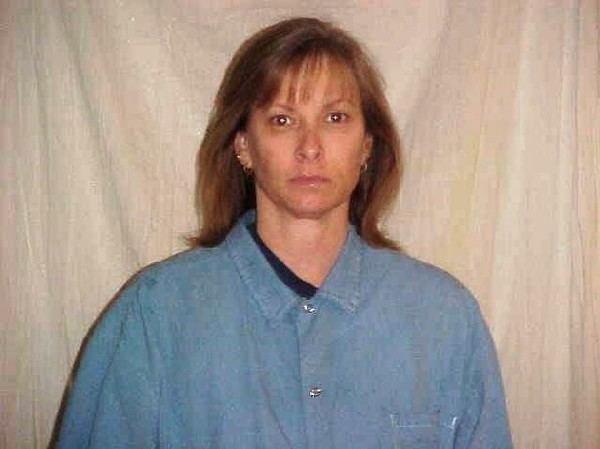
As investigators dug deeper, the focus narrowed toward Cynthia Coffman and James Marlow—a pair whose relationship would later be described in court documents as volatile, manipulative, and dangerously co-dependent.
The prosecution would later argue that neither acted alone in mindset, even when physically separated during parts of the crimes.
Instead, they operated as a unit—reinforcing, escalating, and enabling each other’s actions.
Witness statements, forensic links, and circumstantial evidence began to connect them to the victims.
Piece by piece, the illusion of randomness collapsed.
What remained was something far more disturbing:
A coordinated killing spree spanning multiple locations and multiple victims in under five weeks.
THE BREAKTHROUGH THAT SHATTERED THE CASE OPEN
For weeks, law enforcement had no solid suspect.
But then came the breakthrough.
A combination of forensic evidence, witness accounts, and investigative leads began pointing directly toward Coffman and Marlow.
Once the connection was made, the case escalated rapidly.
Authorities discovered that the two had been traveling together during the timeframe of the murders, leaving behind a trail that now aligned with the disappearances.
What once seemed like isolated tragedies suddenly formed a single line of violence stretching across the state.
The investigation shifted from “what happened?” to “how many were involved?”
And eventually—“how far did it go before it was stopped?”
ARREST AND THE MOMENT EVERYTHING CHANGED
When Coffman and Marlow were finally apprehended, the case took another dramatic turn.
Interrogations revealed inconsistencies.
Statements conflicted.
And over time, the full scope of the crimes began to surface through evidence and testimony presented at trial.
Prosecutors described the murders as deliberate, controlled, and executed with a disturbing level of calculation.
Each victim represented not just a crime—but part of a pattern that investigators believed reflected escalating violence over a short, intense period.
The courtroom soon became the stage for one of California’s most closely watched murder trials of the era.
THE TRIAL THAT CAPTURED NATIONAL ATTENTION
Inside the courtroom, the details were laid out in stark clarity.
The prosecution built a narrative of coordination between Coffman and Marlow, arguing that both played active roles in the events leading to the deaths of four women.
Evidence presented painted a picture of movement across counties, changing locations, and rapidly unfolding crimes that left little time for intervention.
For the jury, the central question became not whether the crimes happened—but the level of responsibility each defendant held.
In the end, the verdict was decisive.
Cynthia Coffman was convicted and sentenced to death.
The ruling placed her among a small number of women on death row in California, a fact that only intensified public attention.
DECADES BEHIND BARS, DECADES OF APPEALS
After sentencing, Coffman entered California’s death row system, where her case would remain locked in legal battles for decades.
Her defense team pursued appeal after appeal, raising questions about procedure, evidence interpretation, and sentencing.
But each attempt failed.
Higher courts consistently upheld the conviction, citing the severity of the crimes and the strength of the prosecution’s case.
Over time, the case faded from daily headlines—but never from legal history.
For investigators and prosecutors, it remained one of the clearest examples of a multi-victim coordinated killing case involving a female defendant in California.
For the public, it became a haunting reminder of how quickly violence can escalate when unchecked.
THE RETURN OF THE CASE: EXECUTION SCHEDULED
Now, nearly four decades after the crimes, the case has re-emerged with new urgency.
California officials have confirmed that Cynthia Coffman’s execution has been scheduled following the denial of final appeals.
Although an exact date has not been publicly disclosed, the decision marks a significant moment in one of the state’s longest-running death penalty cases.
The announcement has immediately reignited national debate.
Supporters of the ruling point to the brutality of the crimes and the lasting impact on victims’ families.
Opponents raise broader questions about capital punishment, decades-long incarceration, and the psychological complexity of long-term death row cases.
A CASE THAT STILL HAUNTS CALIFORNIA
Even after nearly 40 years, the Coffman case refuses to fade.
It remains a study in violence, partnership, and criminal escalation.
It remains a reminder of how quickly ordinary environments can be disrupted by extraordinary brutality.
And it remains, above all, a story that forces uncomfortable questions about justice, time, and consequence.
As the final chapter approaches, one truth remains unchanged:
For the families of the victims, the case never truly ended.
It simply waited.