In a haunting tale that intertwines remorse and finality, James Phillip Barnes, a man who spent years on death row, faced his fate in Florida on August 3, 2023. His journey from a cold case to execution raises unsettling questions about guilt, accountability, and the human psyche.
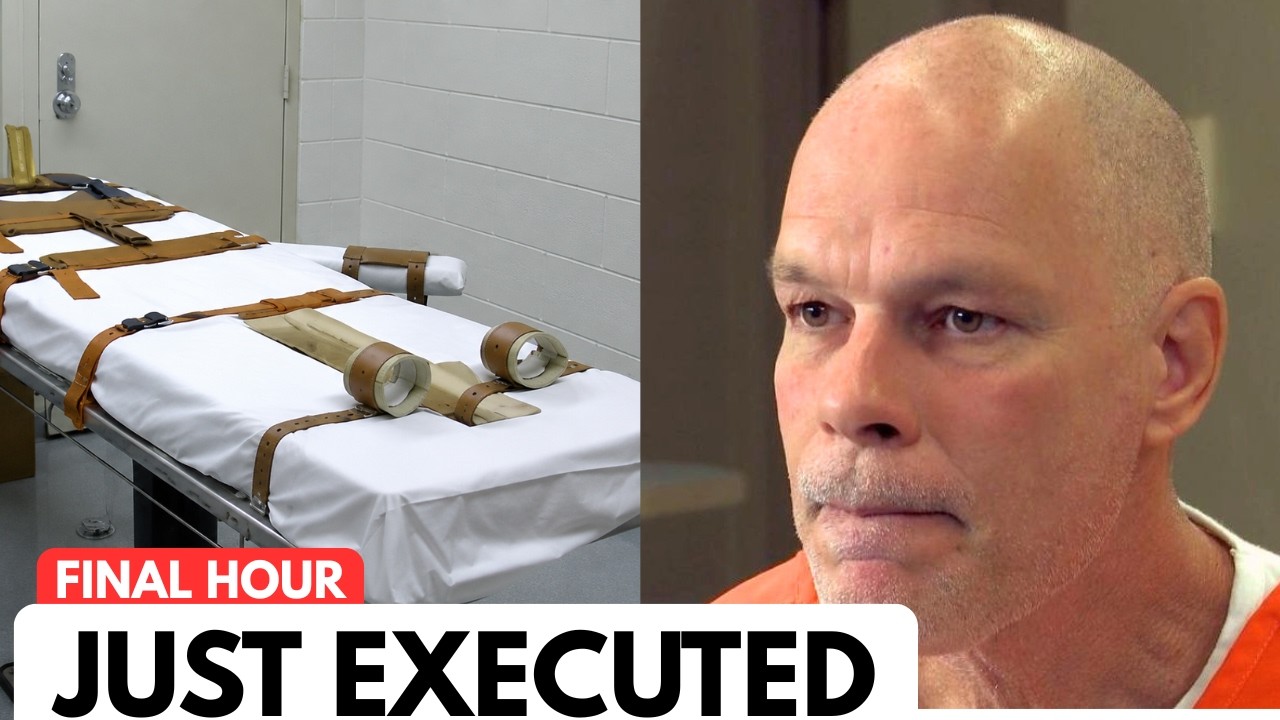 Barnes, who confessed to the 1988 murder of nurse Patricia Miller, took a unique path in his final weeks. Unlike most death row inmates, he chose to forgo legal representation, rejecting appeals that could have spared his life. Instead, he sought to expedite his execution, a decision that shocked many.
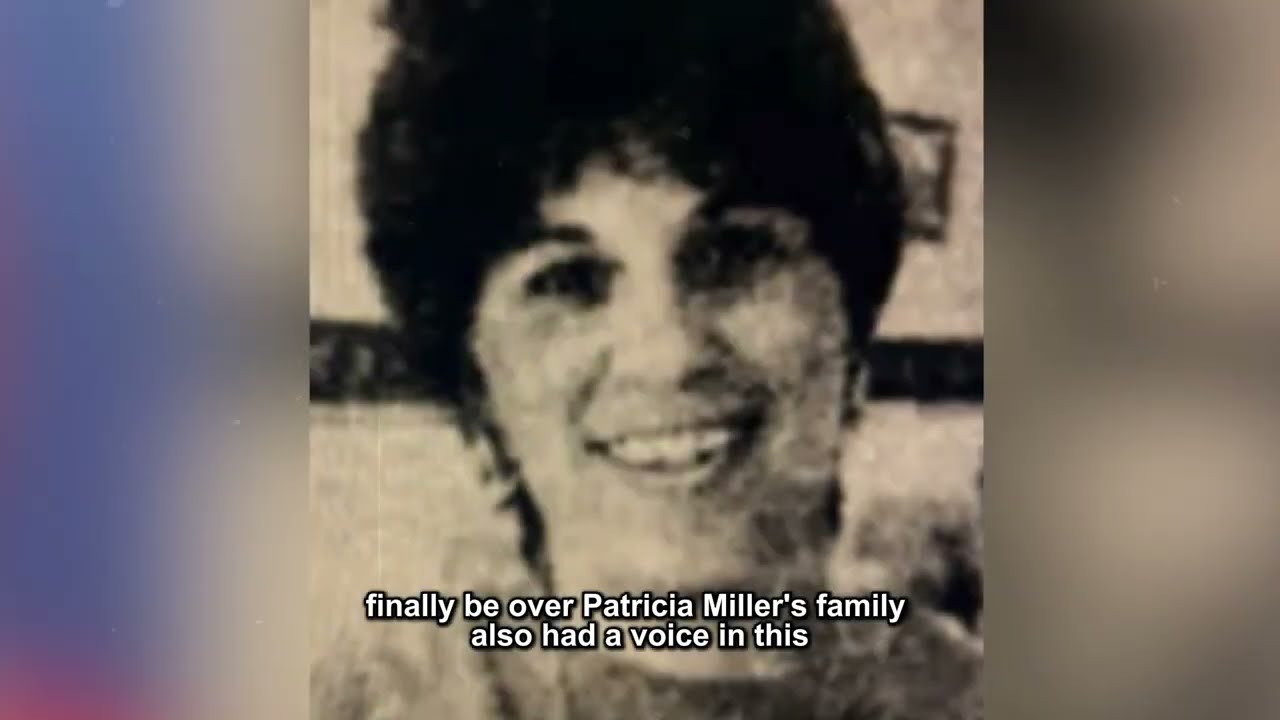
The chilling narrative began in a quiet Melbourne condo, where 41-year-old Patricia Miller was brutally murdered. In a crime that remained unsolved for nearly two decades, Barnes would later admit to confronting her at knife point, assaulting her, and ultimately taking her life before attempting to destroy evidence by setting her bed on fire. Despite DNA linking him to the scene years earlier, the case went cold until Barnes himself stepped forward in 2005, confessing in a letter while serving a life sentence for another murder.

His admission not only reopened the investigation but also led to his trial, where he represented himself and accepted full responsibility for Miller’s death. In December 2007, he was sentenced to death, yet his legal journey took an unorthodox turn. Rather than fighting the sentence, Barnes embraced it, clearing the way for a swift execution process.

As his execution date approached, advocacy groups raised concerns about his mental health history, arguing that the state should not execute individuals with serious mental illnesses, regardless of their wishes. Meanwhile, Barnes’ family was divided on the matter, with some supporting the execution as a means to bring closure.
On the day of his execution, Barnes woke early, seemingly resigned to his fate. Witnesses noted that he appeared to have his eyes closed as the curtain opened in the execution chamber. When given the opportunity to speak, he chose silence, offering no final words or apologies. He was pronounced dead shortly after, marking a grim conclusion to a case that had haunted many for years.
James Barnes’ story raises profound questions: What drove him to confess to a crime that had long been forgotten? Was it an attempt at redemption, or simply a reflection of a troubled mind seeking closure? As we ponder his choices, one thing remains clear: the complexities of guilt and conscience continue to elude easy answers. What do you think motivated Barnes to take such drastic actions in the twilight of his life?